
Vandaag of morgen in huis

Kwaliteit gegarandeerd

Welkomstaanbiedingen ontgrendelen: GRATIS bezorging | Tot 80% korting | Gratis 30 dagen JoyPlus-proefperiode
Download de app
A cloth may seem like a simple household product, but you quickly notice when you choose the wrong one. It barely absorbs moisture, leaves fluff on glass or starts coming apart after just a few washes. If you only look at the price or the number of pieces, you may end up paying more than necessary.
Use these checks to make a more informed choice between microfibre cloths, washing-up cloths, disposable cleaning cloths and reusable cleaning cloths for the kitchen, bathroom, windows and floors.
A pack containing 20 or 80 cloths may seem like good value, but the size and intended use determine how many you actually need. Small glass cloths are handy for windows, but less practical for a large worktop. So always check both the number of pieces and the dimensions.
An absorbent cloth can be useful for dealing with spilled liquid, but that does not automatically mean it can be washed frequently. With reusable cleaning cloths, the material, washing instructions and stitching are important. With disposable cleaning cloths, it is mainly about convenience and packaging that closes securely.
Using the same washing-up cloth for the worktop, bathroom and floor can spread dirt and moisture between rooms. It is therefore best to use different colours or separate sets. A cleaning cloth set with multiple colours makes it easier to keep tasks separate.
Microfibre cloths are generally made from polyester and polyamide. Their fibre structure is suitable for dry dusting and damp cleaning. A product such as the 5five set lists polyester and polyamide as its materials and contains three cloths measuring 30 × 40 cm. Wash these cloths according to the label; the product information states, among other things, that they should be washed at 30 °C and that bleach or fabric softener should not be used.
Viscose is often soft and absorbs moisture well. g’woon viscose cloths come in packs of three and are intended for use in areas including the kitchen and bathroom. Rinse them thoroughly with warm water before first use and store them dry, as stated in the product information.
PVA sponge is particularly relevant for floor cleaning. The ochama × J.ZAO PVA mop refill is 33 cm wide and, according to the specifications, is compatible exclusively with the ochama PB 33 cm foldable PVA mop. So check the system carefully before buying a mop refill.
For everyday use, sizes of around 30 × 30 cm or 30 × 40 cm are easy to handle. Larger cloths can be useful for tables and kitchen worktops, but they also take up more space in the laundry basket.
For microfibre, the density may be given in g/m². The 30 × 30 cm microfibre cloth in the product selection has a stated density of 260 g/m², is machine-washable up to 60 °C according to the product information, and is intended for surfaces including glass, screens, stainless steel, kitchens and cars. Use this type of cloth dry for dusting or slightly damp for surfaces.
For windows and mirrors, low-lint glass cloths are often more practical than thick washing-up cloths. Remove coarse dirt first and work from top to bottom, as stated in the instructions for use for the g’woon glass cloths.
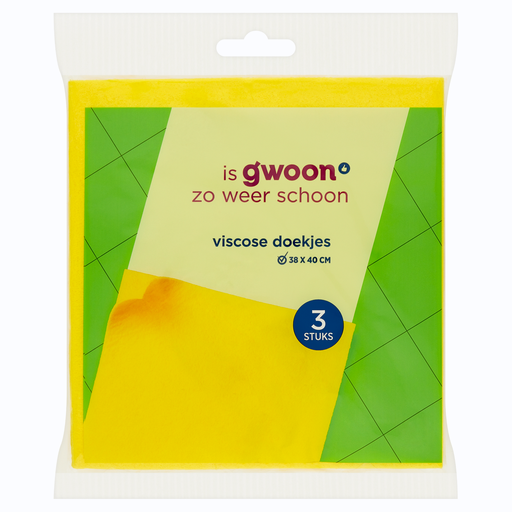
Why it suits this profile: A simple set of three cloths for the kitchen and bathroom, with no complicated system or special accessories.
The number of pieces is clearly stated. You are not buying a large pack without knowing how many cloths you will receive.
3 pieces; suitable for damp cleaning; instructions for use recommend rinsing before first use.

Why it suits this profile: The stated density of 260 g/m² and low-lint surface provide more information than a general claim about cleaning power alone.
The size, material, density and maximum washing temperature are specified. This makes comparison easier.
30 × 30 cm; 260 g/m²; machine-washable up to 60 °C according to the product information; suitable for various surfaces.
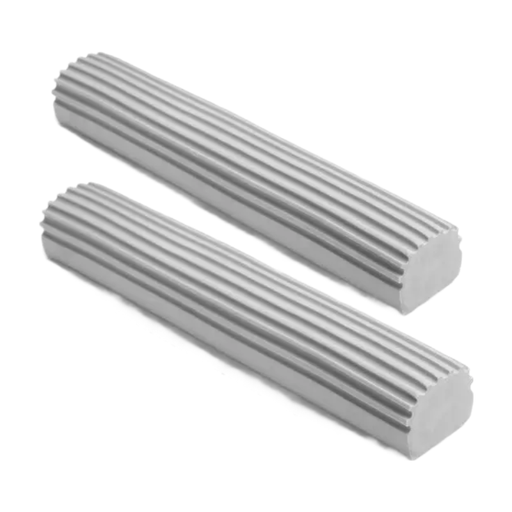
Why it suits this profile: For households that use a specific mop and are looking for a replacement head designed for floor cleaning.
Compatibility is clearly limited to the ochama PB 33 cm foldable PVA mop. Check your mop model before buying.
2 refills; 33 cm wide; PVA sponge; designed for floor cleaning and immediate replacement.
Wash reusable cloths after use according to the label and allow them to dry completely. Do not leave damp cloths stacked together for long periods, as this can cause unpleasant odours. When using cleaning products, always follow the instructions on the packaging and check beforehand that the product is suitable for the surface.
We have put together a complete, up-to-date list of products that fully meet these strict selection criteria and the applicable European safety regulations.
That depends on the material, use and care. Replace a cloth when it becomes thin, no longer absorbs well, develops a persistent smell or is damaged. Washable microfibre and washing-up cloths can be used more frequently if you clean them according to the care label and allow them to dry completely.
Yes, microfibre cloths can be suitable for glass, especially when they are low-lint and used clean. For a streak-free finish, use a separate glass cloth, remove coarse dirt first and avoid saturating the cloth with cleaning product.
Reusable cloths can be cost-effective if you use them regularly, as you can wash and use them again. However, remember to factor in washing and drying. Disposable cloths are particularly practical for quick cleaning or when you are out and about. Compare the price per cloth and also consider the size, moisture level and recommended use.
