
Vandaag of morgen in huis

Kwaliteit gegarandeerd

Welkomstaanbiedingen ontgrendelen: GRATIS bezorging | Tot 80% korting | Gratis 30 dagen JoyPlus-proefperiode
Download de app
A bottle of squash syrup might seem simple to pick. Yet products vary widely in flavour, ingredients, dilution ratio and the number of glasses you can make from them. A cheap bottle can actually work out less economical if you need more syrup per glass. What’s more, terms like “zero”, “natural” or “with fruit flavour” can paint a very different picture from the ingredients list.
With these checks, you can compare squash syrups in a practical way and find one that suits your household, taste and how you plan to use it.
A 750 ml bottle might seem better value than a 600 ml one. That’s not always the case. Always check the dilution ratio and the stated number of glasses. Some products are mixed with one part syrup to seven parts water, while others use a ratio of 1+9 or 1+11.
So compare the price per litre of prepared drink or per glass, not just the price per bottle.
A fruit syrup can contain fruit concentrate, but it can also be mostly sugar, sweeteners, flavourings or colourings. Look at the ingredients in descending order: the ingredient that appears most is listed first. With fruit squash, the flavour name doesn’t automatically tell you how much fruit is actually in it.
For a strawberry-flavoured variety, raspberry syrup or peach syrup, it’s worth checking whether real fruit juice or purée is actually listed.
A zero squash syrup or calorie-free squash syrup often contains sweeteners instead of sugar. Check the nutritional information per 100 ml of syrup and make sure the stated values refer to the undiluted product. Product information can vary by brand and recipe.
Also consider whether you’d prefer to avoid certain sweeteners, preservatives or flavourings. A product may be described as vegan and gluten-free, but if you have allergies, always check the actual packaging.
If you want to cut down on sugar, look for sugar-free squash syrup or a low-calorie option. According to the product information, Slimpie Lemon contains 0 grams of sugar and 1 kcal per 100 grams. Raak Zero Pear also states 0 grams of sugar and 1 kcal per 100 grams. Karvan Cévitam Multifruit states 0.5 grams of sugar and 8 kcal per 100 grams.
This makes these products suitable for anyone looking to limit their sugar intake, but taste is still a personal thing. Sugar-free doesn’t automatically mean it tastes the same as a syrup with sugar.
A squash syrup should be easy to measure. Pay attention to the recommended ratio and the size of a glass. Slimpie’s product information states a dilution ratio of 1+11 and around 39 glasses from one 650 ml bottle. Many Raak and Karvan Cévitam varieties are designed for roughly 30 glasses of 200 ml.
For sparkling water, it’s best to use a large jug or pour slowly, as the fizz can cause foaming. Add the syrup first and then the sparkling water, or mix carefully glass by glass.
As well as sugar, check the fruit content, acids, flavourings, colourings, stabilisers and preservatives. A tea variety may have tea extract added; a fruit syrup may use several fruit concentrates.
Once opened, many varieties need to be kept in the fridge. Screw the lid on tightly and follow the best-before and storage instructions on the packaging. The exact information on the label is what counts.
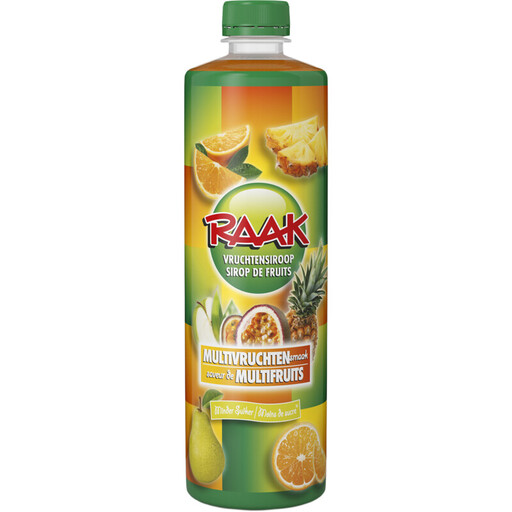
Why it fits this profile: The familiar blend of apple, orange, passion fruit, pear and pineapple suits families looking for one versatile flavour. According to the product information, one bottle yields around 30 glasses of 200 ml.
The stated number of glasses makes comparison easier than just looking at the bottle size. The ingredients list shows 11% fruit juice from concentrate.
28 kcal and 6.7 grams of sugar per 100 grams; according to the product information, it is vegan and gluten-free.
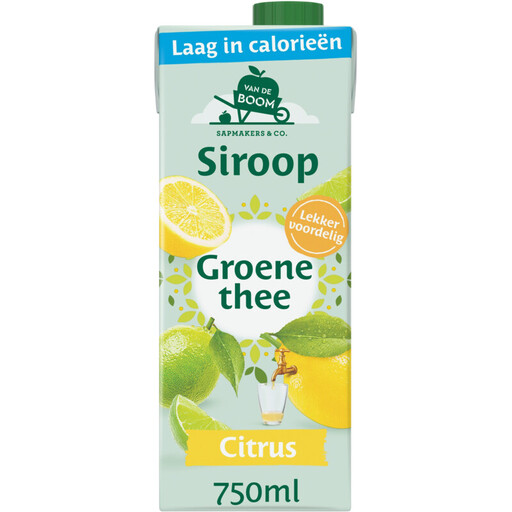
Why it fits this profile: The combination of green tea extract, lemon and lime offers an alternative to classic squash. According to the product information, one bottle is enough for around 30 glasses.
The nutritional information states 43 kcal and 9.6 grams of sugar per 100 grams. This makes it clear that “low in calories” is not the same as sugar-free.
750 ml bottle; according to the product information, it contains none of the 14 major EU allergens.
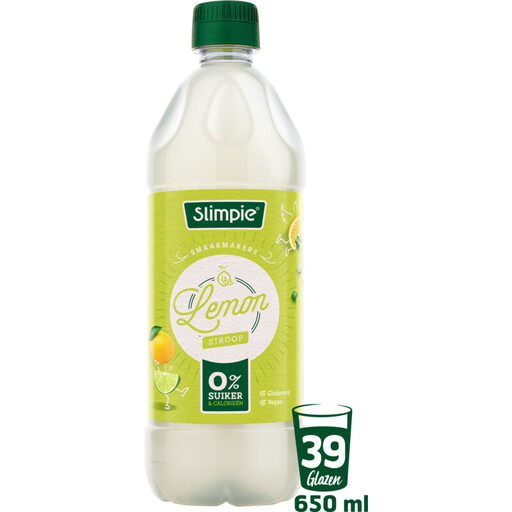
Why it fits this profile: For households that make squash often, the stated yield of around 39 glasses is very practical. According to the product description, the fresh lemon flavour also works well with sparkling water.
The 1+11 dilution ratio and the yield are clearly stated. This means you can work out the cost per glass in advance.
According to the label, 0 grams of sugar and 1 kcal per 100 grams; according to the product information, it is vegan and gluten-free.
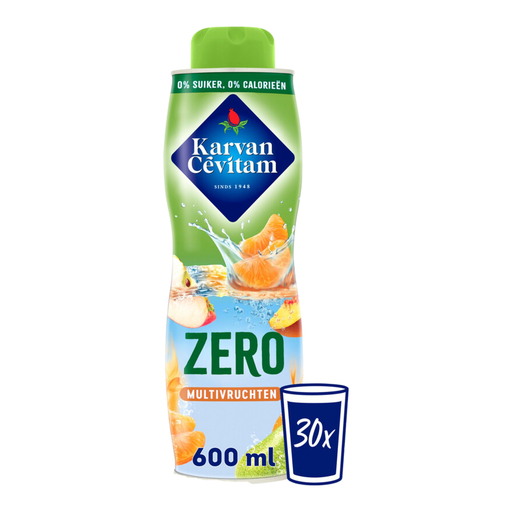
Why it fits this profile: This multi-fruit syrup combines mandarin, apple, orange, pear and peach, among others. According to the product information, the syrup is suitable for water, sparkling water and mocktails.
The nutritional information states 8 kcal and 0.5 grams of sugar per 100 grams. This makes the difference from a classic syrup clear, rather than relying on marketing language alone.
Dilution ratio 1+9; according to the product information, one bottle makes up to around 30 glasses.
We’ve put together a full, up-to-date list of products that fully meet these strict selection criteria and comply with current European safety regulations.
That depends on the bottle size, dilution ratio and glass size. In the product information we’ve looked at, the yield varies from around 30 to 39 glasses. So check the number of litres of prepared drink and work out the price per glass if you like.
Yes, several products are also recommended for sparkling water according to their product descriptions. Mix gently to avoid too much fizz, and drink the prepared squash straight away if possible. Always check the recommended dilution ratio on the packaging.
Follow the storage instructions on the label. Many squash syrups need to be kept in the fridge once opened and used within the stated period. Screw the lid on tightly, store the bottle upright in the fridge, and don’t use any product where the seal was already damaged when you bought it.
