
Vandaag of morgen in huis

Kwaliteit gegarandeerd

Welkomstaanbiedingen ontgrendelen: GRATIS bezorging | Tot 80% korting | Gratis 30 dagen JoyPlus-proefperiode
Download de app
A bottle of squash may seem like a straightforward purchase, but the differences between products can be significant. Some squashes are designed for everyday use with water, while others are better suited to sparkling water, mocktails, desserts or iced tea. Nutritional values, dilution ratios and bottle sizes can also have a major impact on the final price per glass.
Pay particular attention to these three common pitfalls:
If you are looking for sugar-free squash or squash without sugar, it is worth checking the nutritional information per 100 ml of undiluted product. Products containing 0 grams of sugar may still contain sweeteners such as sucralose, acesulfame K or steviol glycosides.
A standard fruit squash often contains sugar or glucose-fructose syrup. For example, Raak Strawberry Lemonade contains 6.8 grams of sugar and 28 kcal per 100 ml. Karvan Cevitam Multifruit contains 0.5 grams of sugar and 8 kcal per 100 ml. Slimpie Raspberry contains 0 grams of sugar and 1 kcal per 100 ml.
These figures apply to the concentrate, not the diluted drink. The actual amount per glass depends on the dilution ratio and how much squash you pour.
Squash for water is often diluted with seven to twelve parts water. According to the product information, Karvan Cevitam Multifruit uses a ratio of 1 part squash to 9 parts water and makes approximately 30 glasses. Slimpie Raspberry uses 1 to 11 and can produce almost 8 litres of squash according to the description, enough for around 39 glasses.
When comparing products, check:
A compact bottle with a strong concentration can therefore work out cheaper than a larger bottle that needs to be diluted less. For families, it is sensible to calculate the price per litre of prepared squash rather than looking only at the bottle price.
A fruity squash may have a distinctive single flavour, such as strawberry, raspberry, peach or mango. A mixed-fruit squash often combines apple, orange, passion fruit, pear or pineapple. For desserts and cocktails, a concentrated flavour such as grenadine syrup or mango syrup can be useful. For a refreshing drink with tea extract, an iced tea syrup with peach may be a better choice.
Also check:
For example, JENI Strawberry lists strawberry purée among its ingredients. According to the product description, the JENI Blueberry and Peach variants are suitable for water, sparkling water, desserts and mixed drinks. Nutritional values and ingredients may vary between flavours, so do not compare only the front of the bottle.
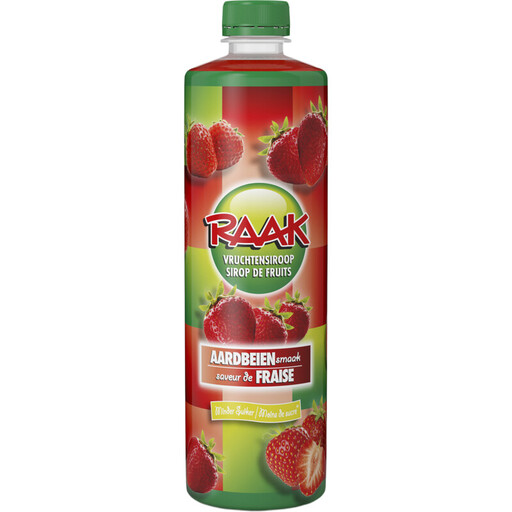
Why it suits this profile: The familiar strawberry flavour and yield of approximately 6 litres make this fruit squash suitable for families who regularly serve squash.
The product information states both the bottle size and the approximate number of 30 glasses. This makes the expected yield clear in advance.
750 ml, approximately 30 glasses, 28 kcal and 6.8 g of sugar per 100 ml of undiluted product; vegan and gluten-free according to the product description.
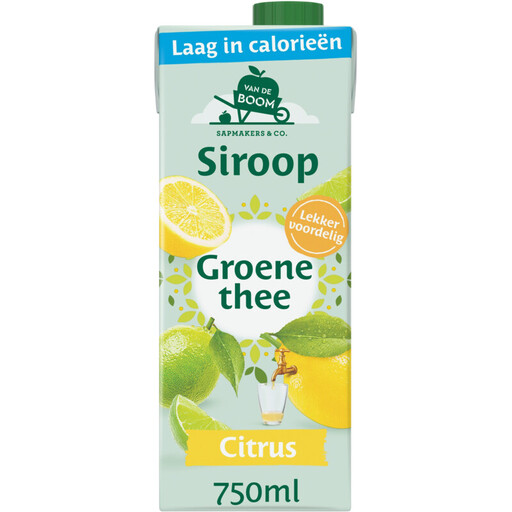
Why it suits this profile: This combination of green tea and citrus is an alternative to standard fruity squash and is ideal for anyone who values a more nuanced flavour.
The product description states a yield of approximately 30 glasses and provides nutritional values per 100 ml, including 43 kcal and 9.6 g of sugar.
750 ml, citrus from lemon and lime juice concentrate, and 0.3% green tea extract according to the label.
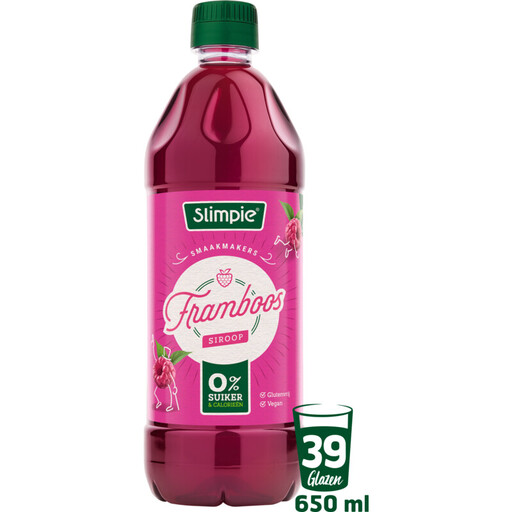
Why it suits this profile: The 1+11 dilution ratio and stated yield are practical for households, sports clubs or gatherings where many glasses are served.
The product information links the dilution ratio to almost 8 litres and approximately 39 glasses. This makes it easier to estimate the cost of use.
650 ml, 0 g of sugar, 1 kcal per 100 ml; vegan and gluten-free according to the product description.
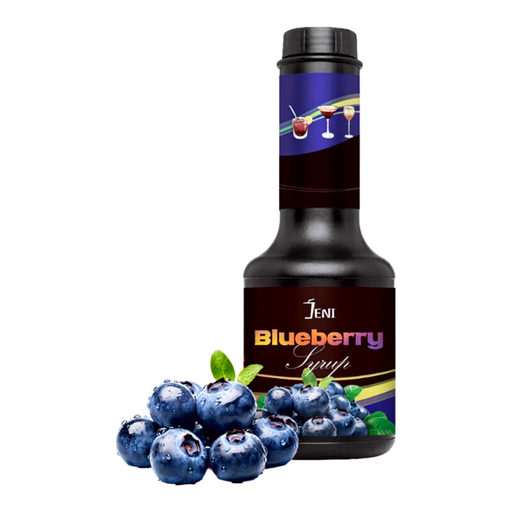
Why it suits this profile: According to the product description, the blueberry flavour is suitable for squash, cocktails, desserts and baking.
The description explicitly mentions use with still and sparkling water. However, always check the current ingredients and nutritional values on the packaging.
456 ml/600 g, blueberry flavour and, according to the product description, no artificial colourings or preservatives.
We have put together a complete, up-to-date list of products that fully meet these strict selection criteria and the applicable European safety regulations.
That depends on the instructions on the label. Many products use a ratio of 1 part squash to 7 or 9 parts water. Slimpie states 1 part squash to 11 parts water. Start with the recommended ratio and adjust the flavour afterwards. When using sparkling water, stir carefully to prevent the drink from overflowing.
Always follow the storage instructions on the packaging. Many products need to be refrigerated after opening and used within the stated period. Close the bottle securely, store it upright and do not use the product if the seal is damaged or the contents smell or look unusual.
Not every squash with a low sugar content is completely sugar-free. So always check the nutritional information. The range includes Slimpie Raspberry and Slimpie Lemon, for example, with 0 grams of sugar and 1 kcal per 100 ml of undiluted product. Karvan Cevitam Multifruit contains 0.5 grams of sugar and 8 kcal per 100 ml. The values in the prepared drink are lower because of the dilution, but are also affected by the amount of squash you use.
