
当日/次日达

品质保障

开启新人专享福利: 全场免邮 | 低至 2 折 | 免费试用 30 天 JoyPlus 会员
下载 Joybuy
Chinese noodles come in many forms: from quick instant noodles with spicy sauce to dried hand-cut noodles for soups or stir-fries. This wide selection does not always make choosing easy. Packaging may highlight regional terms such as Chongqing, Sichuan or “knife-cut”, while the practical differences mainly lie in the ingredients, preparation time, serving size and salt content.
As a Joybuy Product Recommendation Officer, I filter the most important product information so you can compare marketing claims with verifiable specifications. Pay particular attention to these three common pitfalls.
Chongqing noodles, Sichuan noodles and hand-cut noodles often refer to a style, shape or flavour profile. They do not guarantee that every product will taste the same. Always check the ingredients list.
A spicy variety may contain chilli, Sichuan pepper, vinegar, sesame paste or fermented bean paste, for example. A product labelled “spicy beef flavour” may also contain flavourings instead of beef. Review the full ingredient list rather than relying solely on the front of the packaging.
Not all instant noodles are designed to be soaked in boiling water alone. Some Chinese instant noodles need to be cooked in a pan. Other varieties, such as ready-to-eat cold noodles, are mixed directly with sauce.
Using the wrong preparation method affects the texture. Always check whether the instructions specify, for example, 4 to 6 minutes of soaking, 5 to 8 minutes of cooking or a particular amount of water.
A cup of around 110 grams is convenient for one quick meal. A 400-gram or 1-kilogram pack is more appealing if you want to add your own soup, vegetables and protein-rich ingredients. With multipacks, you should also look at the total weight rather than just the number of individual packets.
Salt levels also vary considerably. Lamianfan Chongqing Small Noodles, for example, lists 25.8 grams of salt per 100 grams of product according to the stated nutritional information, while dried varieties without flavour sachets may contain considerably less salt. These are product specifications, not a judgement on whether a product suits any individual diet.
The base determines the bite and how the noodles are best used:
For allergies, the ingredients list is the decisive source. Many products contain wheat and gluten. Some also contain soy, sesame, peanuts, eggs or sulphites.
Wide, thick noodles generally hold more sauce and work particularly well in dry, mixed dishes. Thin noodles cook more quickly and are suitable for light broths or simple stir-fries.
According to the product specifications, Bai Xiang Knife-shaved Noodles are approximately 8 mm wide and require 5 to 7 minutes of cooking. Bai Xiang Longxu Noodles, by contrast, are exceptionally thin and have a recommended cooking time of 5 to 6 minutes. For a firmer bite, check the noodles slightly before the maximum cooking time has elapsed.
With instant noodles, the sauce, oil, seasoning powder and vegetable sachets provide most of the flavour. A product with several sachets gives you greater control: you can, for example, set aside some of the chilli oil or add extra vegetables.
Also check the allergens. Product information for various Chinese instant noodles lists ingredients including wheat, soy and sesame. Use the packaging as the current source of information, as labels and recipes may change.
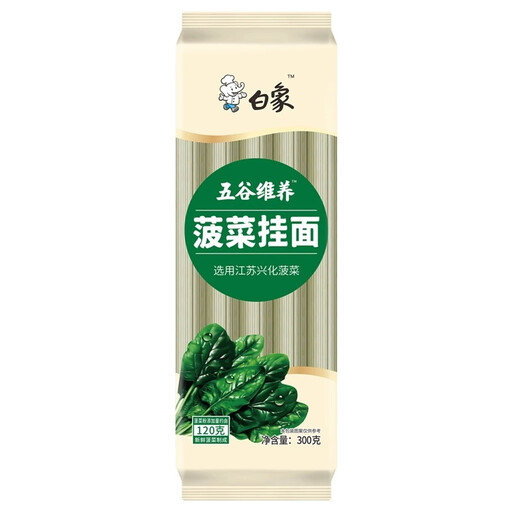
Why This Fits Their Persona: A 300-gram bag is practical for students and home cooks who want to prepare several portions without immediately committing to a large pack. The noodles are suitable for soups, stir-fries and cold preparations.
The ingredients are straightforward: wheat flour, spinach powder, salt and water. The green colour does not automatically mean that the product is made entirely from vegetables.
300 grams per pack; recommended for soups, stir-fries and cold noodles; 1.5 grams of salt per 100 grams according to the product information.
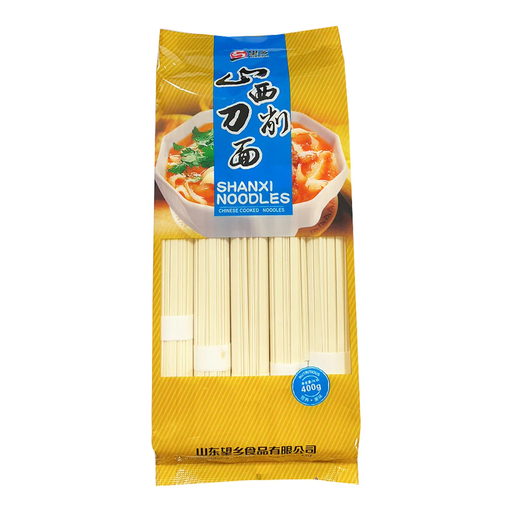
Why This Fits Their Persona: Ideal for home cooks who prefer creating their own broth, sauce and toppings instead of using a ready-made flavour packet.
The product information lists a simple base of wheat flour, water and salt. No flavour sachets mask the noodles’ natural taste.
400 grams; thick and firm texture according to the description; cooking time of 6 to 8 minutes.
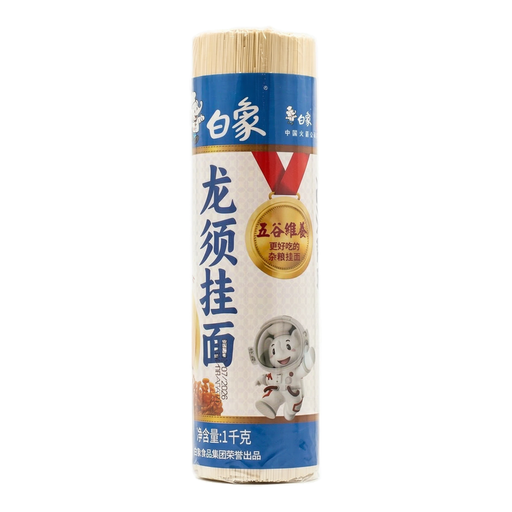
Why This Fits Their Persona: A logical choice for families, frequent noodle cooks and anyone who wants to keep a versatile supply on hand for different dishes.
According to the listed ingredients, the pack contains only wheat flour. You are not paying for multiple small flavour sachets when you prefer to create your own sauce.
1 kilogram contents; thin noodles; recommended cooking time of 5 to 6 minutes.
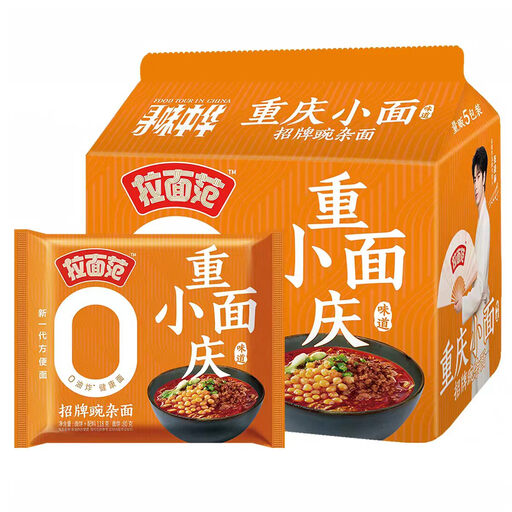
Why This Fits Their Persona: For fans of spicy noodles who want to prepare a regional-style dish in just a few minutes.
The pack contains separate sauce, pea, seasoning and vegetable sachets. This makes it clear which components provide the heat and flavour.
5 servings; 550 ml of water and approximately 3 minutes of cooking; according to the product information, contains peas, Sichuan pepper and chilli.
Browse a current selection of products suited to different textures, preparation methods and pack sizes.
Instant noodles come with flavour sachets and are designed for quick preparation. Dried Chinese noodles usually contain only the noodles themselves and need to be cooked. This means you can control the amount of salt, sauce, vegetables and toppings when using dried noodles.
Use plenty of boiling water, stir gently during the first few minutes and follow the cooking time on the packaging. Drain the noodles immediately once they reach your preferred firmness. For stir-fries, rinse them briefly and allow them to drain thoroughly before adding the sauce.
That depends on the best-before date, storage instructions and pack size. Store them in a cool, dry place away from direct sunlight. Check the date on the packaging before purchasing, and choose a multipack only after reviewing the flavour and allergen information.
