
Vandaag of morgen in huis

Kwaliteit gegarandeerd

Welkomstaanbiedingen ontgrendelen: GRATIS bezorging | Tot 80% korting | Gratis 30 dagen JoyPlus-proefperiode
Download de app
Chinese noodles are useful to keep in the cupboard for soups, stir-fries and quick meals. However, Asian noodles vary considerably in thickness, texture, cooking time and packaging. A thin noodle that works well in a clear broth is not automatically suitable for a hot wok. A large pack can also become impractical if you do not have a dry place to store it after opening.
The following checks will help families, home cooks and catering buyers in the Netherlands make more informed choices and assess marketing claims more objectively.
Packaging with a regional name, such as Lanzhou or Shanghai, does not tell you everything about how the noodles are made. Also check the ingredients list, dimensions and cooking instructions. Products with the same style name can differ considerably in thickness and bite.
A 1.8 or 2-kilogram pack may seem good value, but it requires a dry storage place that can be sealed properly. Dried noodles absorb moisture. As a result, they may lose their texture or stick together. Check the storage instructions and, if necessary, divide an opened pack between airtight containers.
Fine noodles cook quickly, but may become softer than desired in a rich broth or stir-fry. Wider, thicker or alkaline noodles generally have more presence in the dish. Always follow the cooking time on the packaging and taste them shortly before the end.
Many Chinese dried noodles consist mainly of wheat flour, water and salt. Some varieties also contain edible alkali, cornflour or other ingredients. If you have an allergy, always check the label: wheat noodles contain gluten, and the product information may vary between packs.
For example: Bai Xiang Longxu Noodles 1kg lists only wheat flour as an ingredient and contains gluten from wheat. Wheatsun Lanzhou Noodles 400g ×2 lists wheat flour, water and salt. Nutritional values are not an indication of flavour or texture, but they can help you make an objective comparison.
Pay attention to the description of the cross-section:
The terms ‘hand-pulled noodles’ or ‘hand-rolled’ refer to a style or production method for dried products, as indicated in the description. They do not mean that every noodle has been made by hand in your kitchen.
Compare the net quantity with your usual consumption. A 400-gram pack is easy to manage for occasional use; varieties ranging from 1.816 to 2 kilograms are more appealing for families, meal prep or professional kitchens.
The cooking times given in this range are approximately 2 to 7 minutes, depending on the variety. Thin noodles often cook more quickly. Thick or substantial Lanzhou noodles may take longer. Only rinse noodles after cooking when the recipe calls for it, for example when preparing cold noodles or some stir-fry dishes.
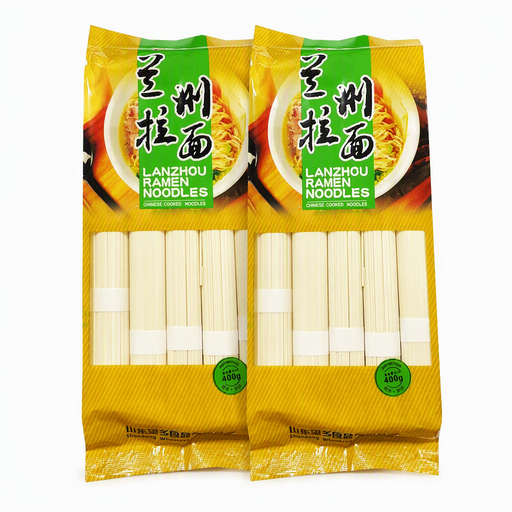
Why it suits this profile: The two 400-gram packs are easy to manage if you are trying Chinese noodles for the first time. According to the product description, they are suitable for broth, clear soup and stir-fries.
The smaller individual packs reduce the risk of a large supply becoming damp after opening before you have used it all.
Wheat flour, water and salt; cooking time according to the description: 4–6 minutes; net weight 800 grams.
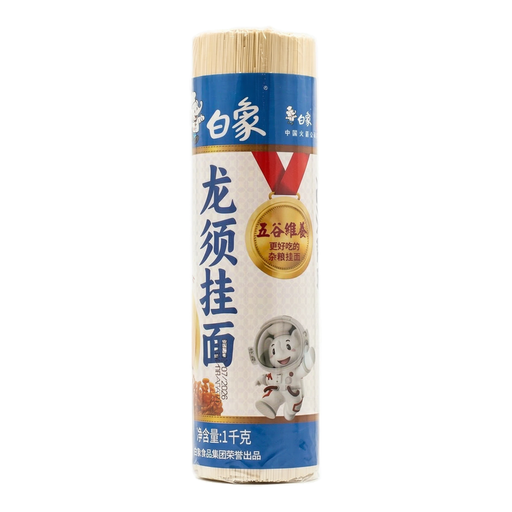
Why it suits this profile: This fine ‘dragon whisker’ variety is intended for lovers of thin Chinese dried noodles with a short cooking time and a firm bite.
The product information specifically states the fine shape and a cooking time of 5–6 minutes, helping you match the noodle more effectively with soup or sauce.
Net weight: 1 kilogram; ingredient according to the label: wheat flour; country of origin: China.
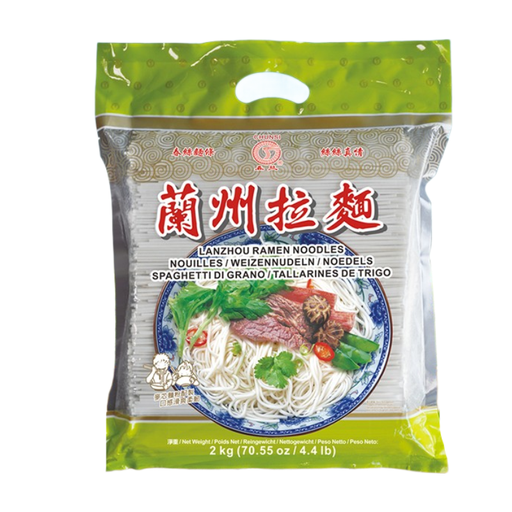
Why it suits this profile: This large pack is aimed at frequent preparation of Lanzhou-style noodle soup, catering or family meals.
The stated use and cooking time of approximately 5–7 minutes make it clear that this is a substantial noodle for broth, rather than an ultra-fine noodle for stir-fries.
Net weight: 2 kilograms; ingredients: wheat flour, water and salt; store in a sealed container after opening.
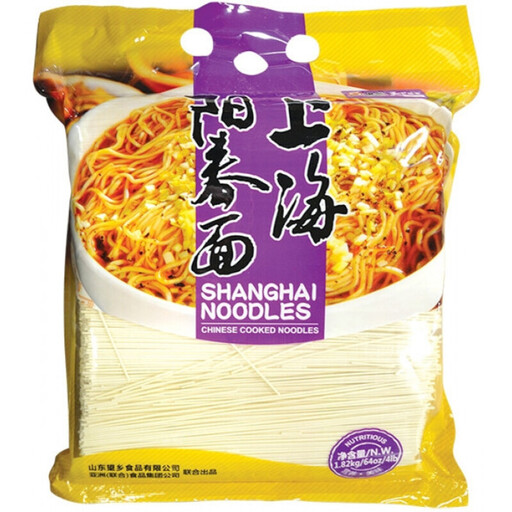
Why it suits this profile: The smooth Shanghai style works well in clear soup, with spring onion oil, in stir-fries and in cold noodle salads.
The product description lists several preparation options, so you do not have to commit the large pack to just one dish.
Net weight: 1.82 kilograms; wheat flour, water and salt; intended for soup, stir-fries and cold dishes.
We have put together a complete, up-to-date list of products that fully meet these strict selection criteria and the applicable European safety regulations.
Bring plenty of water to the boil and add the noodles. Gently loosen them and follow the cooking time on the packaging. Taste them before the end to achieve the desired bite. For stir-fries, you can drain the noodles and rinse them briefly before tossing them with sauce and vegetables.
Lanzhou noodles, Shanghai noodles and other substantial wheat noodles are suitable for noodle soup. Pay particular attention to the thickness and recommended cooking time. Thin varieties work well with a light broth, while wider noodles can provide more texture in a rich soup.
This depends on the packaging and the best-before date. Store dried noodles in a cool, dry place in a sealed container. Before use, check for moisture, discolouration or an unusual smell. Always follow the instructions on the label and do not use the product if the packaging is damaged.
