
Vandaag of morgen in huis

Kwaliteit gegarandeerd

Welkomstaanbiedingen ontgrendelen: GRATIS bezorging | Tot 80% korting | Gratis 30 dagen JoyPlus-proefperiode
Download de app
Chinese noodles come in many forms: from dried wheat noodles for soup to instant noodles with Sichuan seasoning. The difference isn't just about flavour. Preparation time, packaging, portion size, allergens and texture all determine whether a purchase will suit your kitchen.
For students and busy households, ready-to-eat Chinese instant noodles are appealing. Home cooks might prefer a large pack of hand-cut noodles so they can add their own sauce, broth and toppings. With the right product information, you can avoid a packet sitting unused in your cupboard.
Words like "Sichuan", "Dan Dan" or "Chengdu" don't automatically tell you how spicy, sour or salty a product is. Always check the ingredients and nutritional values. A product may contain several sachets, such as chilli oil, vinegar, sesame or seasoning powder. These can sometimes let you adjust the intensity, but you can't always avoid the full salt content.
Not every packet is ready to eat straight away. Some instant noodles only need to be soaked in boiling water. Other varieties must be boiled for 3 to 8 minutes first. Always check the preparation instructions. Products containing raw flour or dough require thorough cooking.
A 200 to 300g bag can be a single meal, while packs of 1.8 or 2kg are intended for families, stockpiling or regular cooking. Also check whether the weight includes sauce sachets. For YuanXian Chengdu Cold Noodles, for example, it's 250g including noodles and seasonings.
The shape affects preparation and the finished dish:
For a quick meal, ready-to-eat or pre-cooked noodles are practical. The YuanXian Authentic Chengdu Cold Noodles are described as ready to mix: open the pack, add sauce and toppings, and stir.
For other Chinese noodles, you'll need a pan and a colander:
Preparation times are guidelines. The desired bite can vary from person to person. Taste one noodle before draining everything.
Wheat noodles generally contain gluten. Some products also contain soya, sesame, peanuts, egg or sulphites. If you have a food allergy, check the entire pack, even if you're only using the noodles. The flavour sachets can contain different allergens from the noodle block.
Pay attention to the difference between nutritional values per 100g and per full pack. A product with several sauce sachets can work out significantly differently per portion compared to the noodles alone. The pack also states the best-before date, storage conditions and any instructions after opening.
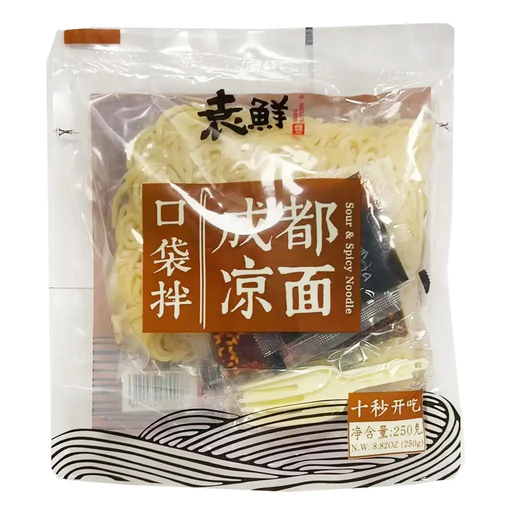
Why this fits the profile: These ready-to-eat Chengdu-style noodles don't need a pan. You mix the pre-cooked noodles with sauce and toppings, which is handy for a quick lunch or a meal in a student room.
The preparation method is clear: open, mix and eat straight away. The pack does list peanut, sesame, soya and wheat as allergens; check this beforehand.
Pre-cooked noodles, 250g per pack and a sauce containing vinegar, chilli oil and Sichuan pepper according to the label.
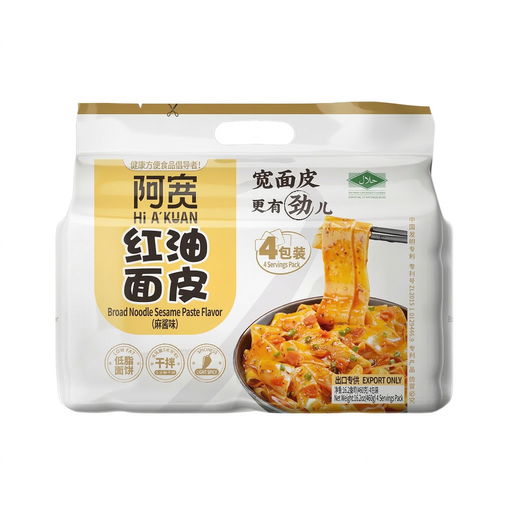
Why this fits the profile: The broad, non-fried noodle sheets combine with a sesame paste, seasoning powder and separate chilli oil. This gives home cooks room to adjust the sauce to their taste.
You can see upfront that no cooking is needed: soak for 4 to 5 minutes in boiling water. The sauce sachets are separate, but sesame, soya and wheat remain points to check.
460g, individually packed portions and broad noodles with a described firm texture.
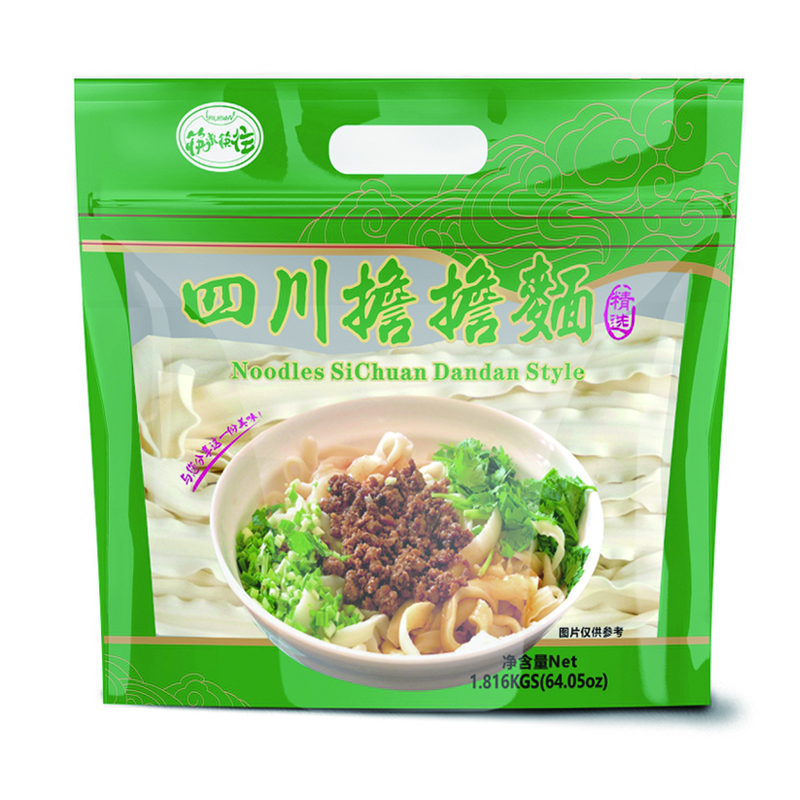
Why this fits the profile: The large pack is suitable for households that cook often. The thin, round noodles are described as designed to hold sauce well, including for Sichuan noodles and Dan Dan noodles.
The product information states the size, a cooking time of around 5 minutes and its use for soup, stir-fry, cold noodles and hotpot.
1.816kg of dried noodles, thin round shape and only wheat flour, salt and water according to the listed ingredients.
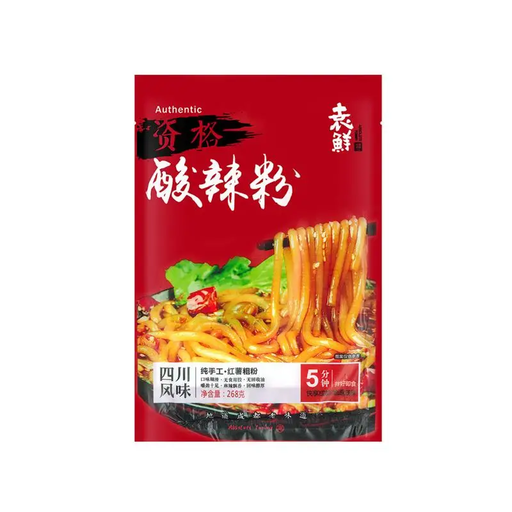
Why this fits the profile: These sweet potato noodles are for anyone looking for a different texture from wheat. The pack contains vinegar, chilli oil, dried vegetables, peanut and sesame, among other things.
The seasonings and toppings are packed separately. This means you can add the chilli oil gradually. If you have allergies, check the listed peanut and sesame allergens.
268g, can be prepared with hot water and a combination of sweet potato starch, vinegar, chilli and dried vegetables.
We've put together a full, up-to-date list of products that fully meet these strict selection criteria and comply with current European safety regulations.
Use plenty of water for noodles in soup and stir them immediately after adding. This stops them from sticking together. For stir-fry dishes, you can cook the noodles for slightly less time, as they will continue to cook in the pan. Rinse cooked noodles briefly with cold water if you're using them for cold dishes or want to stop them from cooking further.
Broad hand-cut noodles work well with thick sauces. Thin hand-pulled noodles are practical in broth or with a spicy mixed sauce. Buckwheat noodles give a more pronounced grain character; check the percentage of buckwheat in the ingredients list, as this varies by product.
Choose a product with clear instructions for soaking or mixing directly. Examples include Chengdu cold noodles and various A’KUAN varieties. Check whether you need boiling water, a pan or a microwave.
Store unopened dried noodles according to the pack instructions in a cool, dry place. After opening, an airtight container is advisable. The exact shelf life is stated on the product and can vary by brand and pack.
That depends on your dietary choices and the product's composition. Compare the salt, fat and carbohydrate content per portion and consider not using all the flavour sachets. Add vegetables, egg, tofu or other toppings for a meal that better suits your preferences.
