
当日/次日达

品质保障

开启新人专享福利: 全场免邮 | 低至 2 折 | 免费试用 30 天 JoyPlus 会员
下载 Joybuy
Chinese dried noodles are handy to keep in the cupboard: they take up little space, have a long shelf life and work well in soup, stir-fries, cold noodle dishes and regional recipes. However, many packets look alike. A thin noodle behaves differently from a broad Shanxi noodle, and a 2 kg pack is not automatically better value if you only cook them occasionally.
When comparing products, therefore, don’t focus solely on the name or the picture on the packaging. The ingredients, dimensions, cooking time, quantity and storage instructions determine whether the noodles are right for your kitchen.
Names such as Wenzhou, Shanxi, Wuhan or Shanghai refer to a cooking style or shape, but the precise texture varies from one product to another. So check the description:
A product labelled “handmade” or “traditional” is not automatically made by hand in your kitchen. Treat this as a product description and compare the ingredients and shape in particular.
2 kg of noodles can be practical for families, meal preppers or anyone who cooks Asian food regularly. For occasional use, 500 g to 1 kg may be more convenient. A large bag also takes up more space once opened and needs to be stored somewhere dry and well sealed.
Also consider the serving size. As a guideline, allow around 75 to 100 g of dried noodles per adult, depending on the quantity of vegetables, tofu, meat or broth in the dish.
Thin Chinese noodles can be ready in three to five minutes, while broad or thick noodles need longer. Overcooking can make some dried wheat noodles soft; undercooking leaves them hard in the centre.
Always follow the preparation instructions on the packet first. Only rinse noodles after cooking when the recipe calls for it, for example with cold noodle dishes or when you want to stop the cooking process quickly.
Most Chinese noodles consist of wheat flour, water and salt. Some varieties contain starch, cornflour, buckwheat flour, egg or sodium carbonate. The latter is also used in alkaline noodles and can contribute to a different colour and aroma, as well as a firmer bite.
Always check the allergen information. Wheat and gluten are common; varieties containing egg powder also contain egg. Anyone with food allergies should check the current packaging before using the product. Online product information may change.
The shape determines how well a sauce or broth clings to the noodle:
Before checking out, look at:
Do not eat dried noodles raw. Products containing flour or raw dough must be cooked thoroughly according to the instructions.
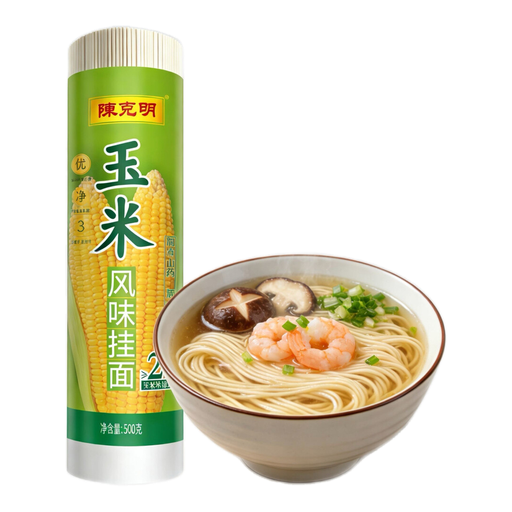
Why this suits this profile: The 500 g pack is a manageable size for anyone trying Chinese noodles for the first time. The mild corn flavour works well in soups, stir-fries and cold salads.
The product page states a cooking time of 4 to 5 minutes and clearly lists wheat and egg as allergens. This allows you to assess its uses and suitability in advance.
500 g quantity; ingredients including wheat flour, cornflour, salt and egg powder; suitable for soups, stir-fries and cold dishes.
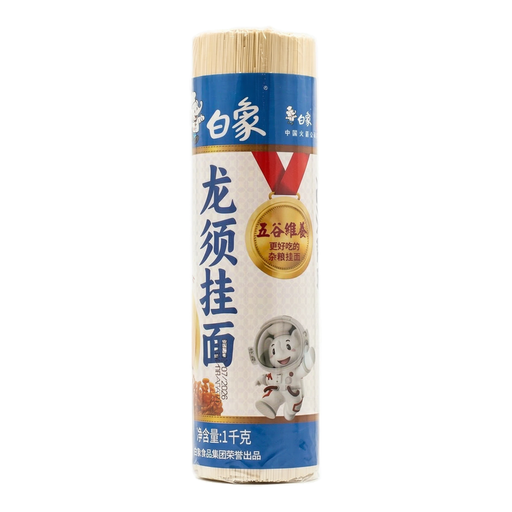
Why this suits this profile: These very thin wheat noodles are designed for quick cooking while retaining a firm bite. According to the product description, the brand uses a process involving several steaming and resting stages; this is a brand claim, not an independent quality guarantee.
The product page lists just one ingredient: wheat flour. The recommended cooking time of 5 to 6 minutes helps prevent the thin noodles from being cooked for longer than necessary.
1 kg quantity; very thin shape; suitable for soups, sauces, stir-fries and cold noodles.
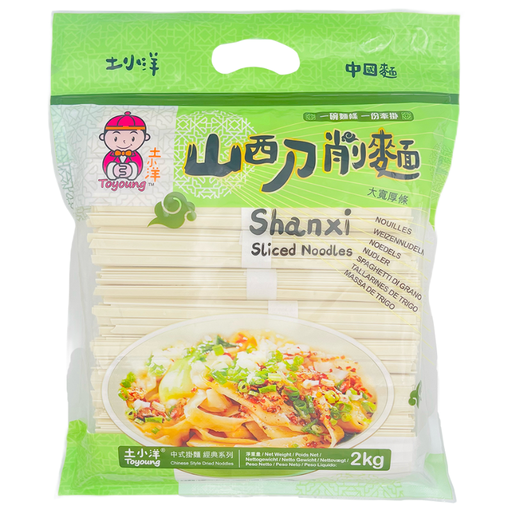
Why this suits this profile: The broad Shanxi shape is ideal for hearty broths, sauces and larger meals. The 2 kg bag suits families, dinner parties and meal preparation.
The product information lists wheat flour and salt as ingredients and describes the noodles as cut in the Shanxi style. The quantity is clearly stated as 2 kg.
Broad noodle shape; firm texture according to the product description; large pack for frequent cooking.
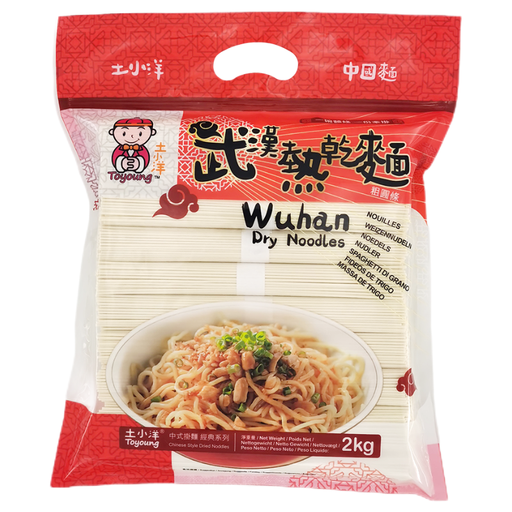
Why this suits this profile: According to the product information, these Chinese noodles are intended for Wuhan hot dry noodles, but they can also be used in soups, stir-fries and cold dishes.
The packaging lists wheat flour and salt as ingredients and gives a preparation time of around 4 to 5 minutes. The use of sesame paste and soy sauce is described clearly.
2 kg quantity; simple ingredients list; suitable for hot dry noodles, soups, stir-fries and cold noodles.
We’ve put together a complete, up-to-date list of products that fully meet these strict selection criteria and the applicable European safety regulations.
Use a large pan of boiling water so the noodles can move around freely. Stir gently during the first minute to help prevent them sticking together. Taste one noodle before draining the pan; the stated cooking time is a guideline and may vary according to preference.
For stir-fry noodles, cook the noodles for slightly less time and finish cooking them in the wok. For cold noodles, rinse them briefly with cold water and drain thoroughly. For noodle soup, you can cook them directly in the broth if the packaging allows this, but bear in mind that they may release extra starch into the soup.
Store an opened bag in its original packaging with a secure seal, or use an airtight food container. Moisture and pests can reduce the quality.
The shelf life is stated on the packaging and varies from product to product. Dried noodles generally remain usable for a long time provided they are kept unopened, dry and out of direct sunlight. After opening, check the smell, colour and texture before cooking them.
That depends on the product. According to the product instructions, some Chunsi Wenzhou noodles can be soaked in warm water for 10 to 15 minutes and then boiled for a further 2 to 3 minutes. Other varieties can be added directly to boiling water or soup. Always follow the instructions on your pack.
A 1.8 to 2 kg pack can be practical if you cook regularly. The price per 100 g may be lower, but also compare the total price, storage space and how quickly you will use the noodles. For a smaller household, 500 g or 800 g is often easier to manage.
