
Livraison le jour même et le lendemain

Qualité garantie

Débloquez vos offres de bienvenue: Livraison GRATUITE | Jusqu'à -80 % | 30 jours d'essai gratuits à JoyPlus
Téléchargez l'application
Wide noodles. Whether you're dreaming of a rich Italian ragù clinging to ribbons of pasta, or a spicy Asian stir-fry with a satisfying bite, the right noodle is the foundation of your dish. But the selection is overwhelming, and the packaging makes lofty promises. The result? You buy noodles that disintegrate in soup, fail to hold sauce, or simply don't have the texture you were looking for.
Before you put another pack of noodles in your basket, let's break down the most common pitfalls that cost you unnecessary money:
To avoid a bad purchase, it's helpful to focus on a few objective characteristics. This will help you see past the marketing and choose the noodle that truly fits your meal.
The main ingredient determines the noodle's flavour, texture, and ideal use.
The form in which you buy the noodles affects cooking time and shelf life.
Below is a selection of products, linked to specific user profiles. This is not a ranking, but a practical guide to help you find the right match.
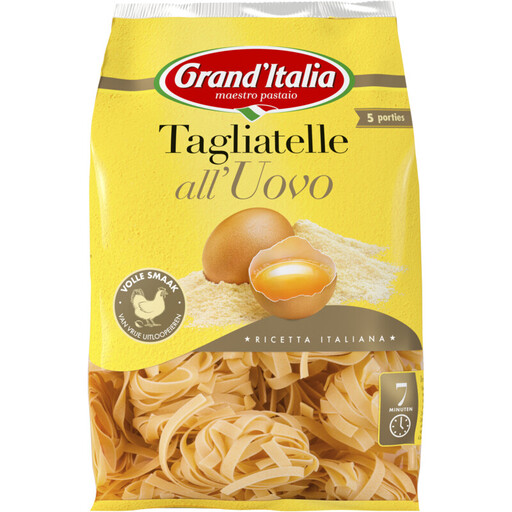
Why This Fits Their Persona: Perfect for those who want to make a classic pasta bolognese or another rich, Italian sauce. The egg noodles provide a full flavor and the right width to hold the sauce well.
This product bypasses the "authentic" trap by providing clear specifications: it's a durum wheat pasta with 20% free-range eggs. Exactly what you need for a classic Italian dish, without vague claims.
Made with 100% quality grain and fresh free-range eggs. The texture is specifically designed to hold heavy sauces like bolognese well.
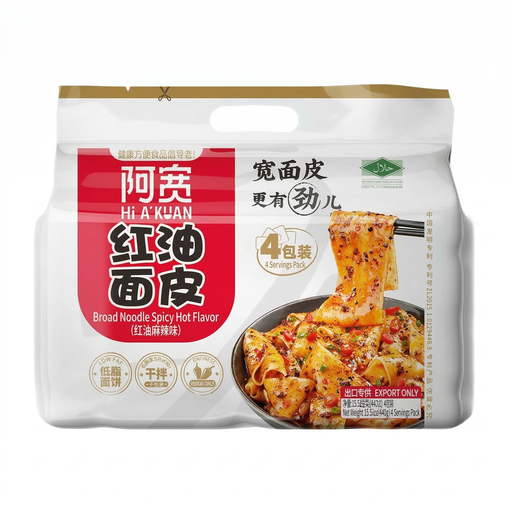
Why This Fits Their Persona: Ideal for students or time-crunched professionals who still want a flavorful, spicy meal. No stovetop needed, just boiling water.
This is a complete meal kit. You don't have to guess which sauce goes with which noodle. The non-fried noodles are specially made for this quick preparation method, so they don't get mushy.
Extreme convenience: ready in 5-6 minutes of soaking. The included Sichuan-style chili oil sauce provides an authentic and spicy flavor experience.
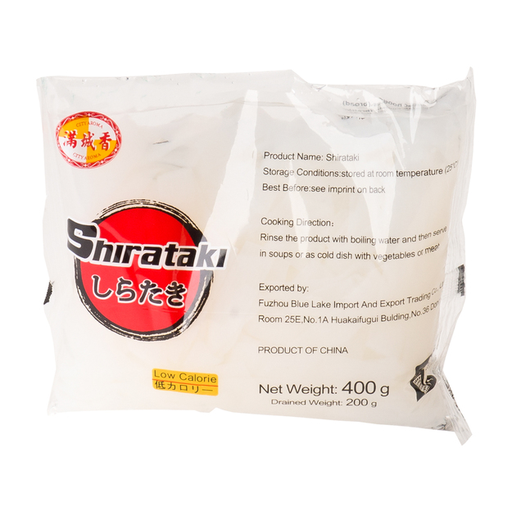
Why This Fits Their Persona: For anyone following a low-carb, sugar-free, or low-calorie diet. These shirataki noodles are an excellent base for soups and stir-fries without the carbs of traditional pasta.
This product avoids the hidden ingredients trap. The ingredient list is extremely simple: water and konjac powder. No hidden sugars, fats, or flavor enhancers. What you see is what you get.
Very low in calories (9 kcal per 100g) and carbs (1.5g per 100g). The neutral flavor ensures they absorb the taste of your sauce or broth perfectly.
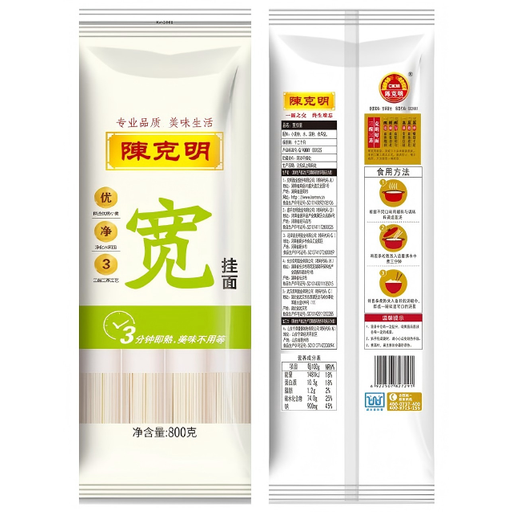
Why This Fits Their Persona: An excellent pantry-staple noodle. These dry, wide wheat noodles are a blank canvas for all kinds of Asian dishes, from noodle soups to stir-fries.
This product has a simple ingredient list: wheat flour, starch, and salt. You're not buying a pre-seasoned noodle that will clash with your own recipe. This avoids the pitfall of the wrong texture or flavor profile.
Highly versatile. The noodles have a firm bite that holds up well during cooking, whether you use them in a soup or toss them in a hot wok.
We've compiled a complete, up-to-date list of products that fully meet these selection criteria and current regulations.
The main difference is the width. Tagliatelle are long, flat ribbons about 6 mm wide. Pappardelle are significantly wider, often 2 to 3 centimetres. Due to their larger surface area, pappardelle are particularly suited for very hearty, chunky meat sauces, like a wild boar ragù. Tagliatelle are a better match for slightly lighter, yet still rich sauces like a classic bolognese or a creamy mushroom sauce.
Sticky rice noodles are a common problem. A good method is to first soak the dried noodles in warm (not boiling) water for about 20-30 minutes until they are pliable. Then, cook them briefly, for only 1-2 minutes, in plenty of boiling water. Drain them and immediately rinse with cold water to stop the cooking process and wash away excess starch. If you're not using them right away, toss them with a little bit of oil to prevent sticking.
Shirataki noodles are an interesting option, especially for those looking to limit carbs or calories. However, they do not replicate the texture and taste of traditional wheat or rice noodles on a 1-to-1 basis. The texture is more gelatinous and chewy. They have almost no flavour on their own and rely heavily on a powerful sauce or broth. Don't think of them as a direct copy, but as a unique ingredient in their own right. Before use, rinse them well under cold water to remove the slightly distinct odour from the packaging liquid.
