
Livraison le jour même et le lendemain

Qualité garantie

Débloquez vos offres de bienvenue: Livraison GRATUITE | Jusqu'à -80 % | 30 jours d'essai gratuits à JoyPlus
Téléchargez l'application
Are you looking to buy glass noodles for japchae, hotpot, soup or a stir-fry? You'll quickly come across packets labelled Longkou, premium, light or authentic. These words don't always tell you how the noodles will behave in your kitchen. The ingredients, preparation method and packaging matter far more than flashy marketing claims.
Glass noodles, vermicelli and Chinese vermicelli are umbrella terms for transparent noodles made from starch. That starch can come from mung beans, sweet potato, peas, potato, wheat or a combination of these. As a result, texture, cooking time and allergens vary from product to product.
A noodle made from sweet potato starch is often firm and springy. Mung bean vermicelli is usually thinner and works well in soups, salads and spring rolls. A product containing wheat starch is not automatically gluten-free.
A 1 kg bag might seem like good value, but dried noodles often require a longer soaking and cooking time. Fresh or water-packed varieties are quicker to prepare, but need more attention once opened. So don't just check the weight – also consider:
With bulk-pack glass noodles, resealable storage is especially important. Starch noodles absorb moisture and can stick together.
Always check the ingredients list and allergen information. Go-Tan, for example, states 85% mung bean starch and none of the 14 major EU allergens. Sunlee Longkou Vermicelli, according to the product information, contains mung bean, pea and corn starch. The 1 kg Sunlee Longkou Vermicelli packet notes that the product may contain soya and gluten from wheat.
An ingredient without wheat is not the same as a guaranteed gluten-free product. If you have coeliac disease or a serious allergy, always rely on the packaging.
Start by looking at the main ingredient:
Bear in mind that nutritional values per 100 g sometimes refer to the dry product, and for konjac to the drained product. These figures aren't directly comparable.
Instructions vary. Wang Korean-Style Vermicelli Noodles, for example, asks for around 20 minutes of soaking in warm water followed by 6 to 7 minutes of boiling. Great Wall Tianjin Vermicelli recommends 10 to 15 minutes of soaking and then 2 to 3 minutes of boiling.
For cold salads, a longer soak in cold water can be useful. For soup or hotpot, a short soak is often enough because the noodles will continue to cook in the broth. Rinse cooked glass noodles briefly with cold water if you want to stop them sticking together.
A 100 g to 250 g packet is practical if you want to try a new type. For families, meal prep or a small catering kitchen, 500 g to 1 kg packs can be better value. Compare the price per 100 g rather than just the price of the bag.
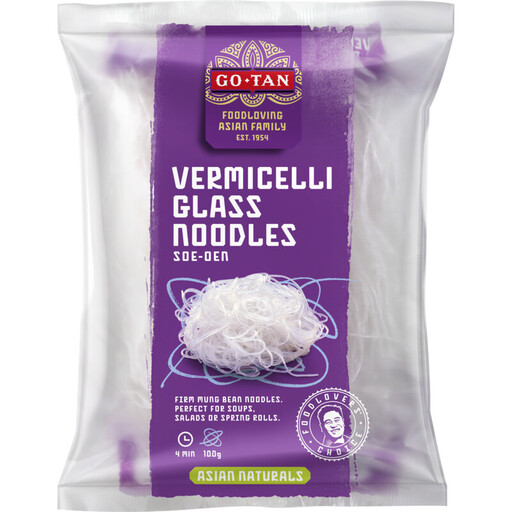
Why this fits the profile: The small pack is handy for trying vermicelli first in soup, soto, salad or spring rolls.
You don't buy a large stock before you know the taste, preparation and texture. The ingredients list 85% mung bean starch.
100 g pack; according to the product information, suitable for salads, soups, stir-fries and spring rolls.
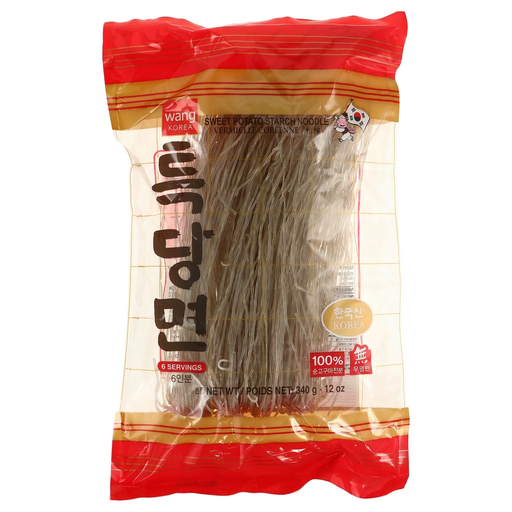
Why this fits the profile: The composition with 99.9% sweet potato starch suits anyone looking for a firm, springy noodle for japchae.
The ingredient and preparation method are clearly stated, so you don't have to rely solely on the word “Korean-style”.
340 g; suitable for japchae, hotpot, soup, salad and stir-frying; the product information states a gluten-free composition.
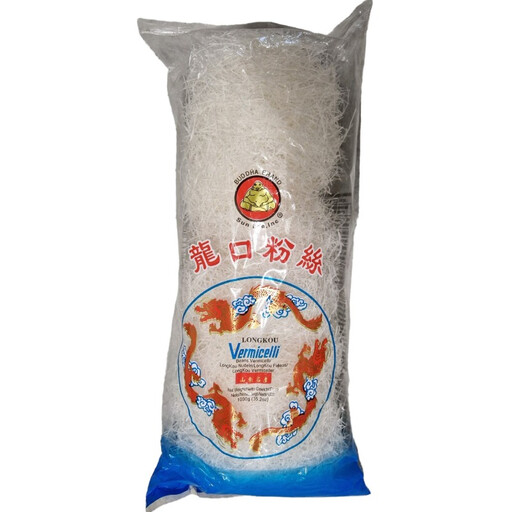
Why this fits the profile: The bulk pack suits families, frequent home cooks and small catering kitchens that often use noodles for hotpot or stir-fries.
The contents are clearly 1 kg, so you can compare the price per 100 g rather than being swayed by the packaging design.
Mung bean starch and water as listed ingredients; suitable for hotpot, soup, salad, spring rolls and stir-fries.
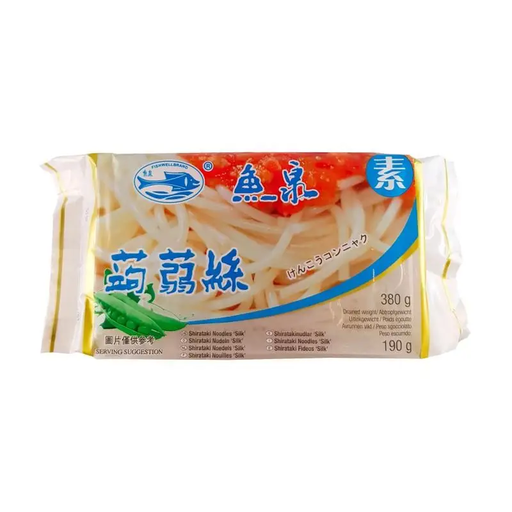
Why this fits the profile: These water-packed konjac noodles only need to be rinsed and boiled for 2 to 3 minutes, according to the product information.
The packaging states the drained weight and storage instructions after opening. This prevents confusion about the actual quantity.
380 g pack; 6 kcal per 100 g drained according to the product information; suitable for soup, salad, hotpot and stir-frying.
We've put together a full, up-to-date list of products that fully meet these strict selection criteria and comply with current European safety regulations.
Soak the noodles according to the packet instructions and don't boil them for longer than necessary. Rinse them briefly with cold water after cooking and mix them straight into soup, sauce or a stir-fry. For a salad, you can use a small amount of oil after draining them.
No. Products based on mung bean, pea or sweet potato starch may be gluten-free according to the listed ingredients, but always check the allergen information. Jing Xian Fang Glass Noodles, for example, contains 97% wheat starch and is therefore not suitable for a gluten-free diet.
For hotpot, you can choose firm sweet potato noodles, mung bean vermicelli or fresh vermicelli. Fresh Haidilao Sweet Potato Vermicelli is, according to the product information, intended for hotpot and doesn't need a long soak. Dried Longkou vermicelli does require preparation, but is handy to keep in stock.
