
Vandaag of morgen in huis

Kwaliteit gegarandeerd

Welkomstaanbiedingen ontgrendelen: GRATIS bezorging | Tot 80% korting | Gratis 30 dagen JoyPlus-proefperiode
Download de app
Chinese cooking wine is a staple flavouring in many dishes with meat, fish, poultry and seafood. According to product descriptions, a splash can help reduce unwanted odours and add extra aroma to a dish. However, bottles vary widely in composition, salt content, flavour and usage.
If you only focus on a flashy label or the words “traditional” and “authentic”, you could end up buying a product that doesn’t suit your cooking style. These checkpoints will help you compare rice wine for cooking, Shaoxing cooking wine and other varieties in a practical way.
Not every Chinese rice wine is intended as a regular beverage. Some bottles are made as alcoholic drinks, whereas cooking wine often contains salt, herbs, colourings or flavour enhancers. Always check the usage instructions on the label.
A Shaoxing or Huadiao wine may be suitable for cooking, but some varieties are also meant to be enjoyed chilled or gently warmed as a drink. Cooking wine is generally more practical for marinades, stir-fries and stews.
A product without artificial additives doesn’t automatically have a milder or more intense taste. The final flavour also depends on the rice wine base, herbs, salt and any ginger or spring onion.
According to the product information, Qianhe All-Natural Scallion & Ginger Cooking Wine contains water, rice, spring onion and ginger. Other varieties include salt, MSG, colouring or spices. So look at the full ingredients list rather than just the front of the packaging.
A 1 or 1.8 litre bottle may seem good value per millilitre, but it’s not always practical for someone who only stir-fries occasionally. After opening, storage advice varies by product. Some bottles need to be tightly sealed and stored in a cool place; others should be used quickly according to the product information.
For occasional use, 500 ml is often a manageable size. If you cook Chinese food several times a week, a larger format could work out better value.
First, check whether the bottle contains rice wine, edible alcohol, salt and herbs. With Chinese rice wine, also look out for wheat. Products based on rice and wheat contain gluten and are not suitable for anyone who needs to avoid wheat.
Not every cooking product lists an alcohol percentage on the product information. Some varieties, such as a Shaoxing drinking wine, do state an alcohol content of at least 14 or 15 per cent. So cook according to the label and bear in mind that alcohol doesn’t necessarily evaporate completely during cooking.
Cooking wine for stir-frying and marinating often contains salt. This is important when you’re also using soy sauce, oyster sauce, stock or other salty ingredients. Compare the nutritional values per 100 ml and add extra salt only at the end.
The differences can be significant. In the product data provided, for example, Qianhe Scallion & Ginger contains around 0.1 grams of salt per 100 ml, compared to 3 grams per 100 ml for Wang Zhihe Scallion and Ginger and 10 grams per 100 ml for DongGu cooking wine. Always check the current label, as compositions and packaging can change.
For a marinade, use a small amount and then let the meat, fish or poultry rest according to your recipe. When stir-frying, add the cooking wine once the pan is very hot. For a sauce or braised dish, it’s better to build up the quantity gradually so that salt and aroma stay balanced.
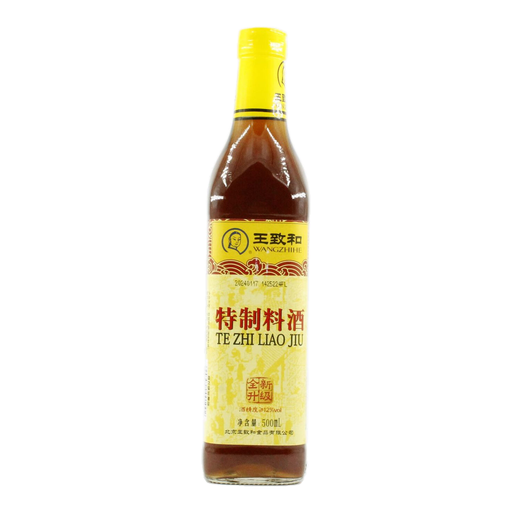
Why this fits the profile: A practical size for anyone who wants to practise stir-fries, marinades and Chinese sauces regularly without committing to a large bottle straight away.
The ingredients and nutritional values are clearly stated. At 500 ml, the risk of long-term storage is smaller than with a bulk pack.
Rice wine base, ready to use and suitable for marinating and stir-frying. According to the product information, it contains salt and flavour enhancers.
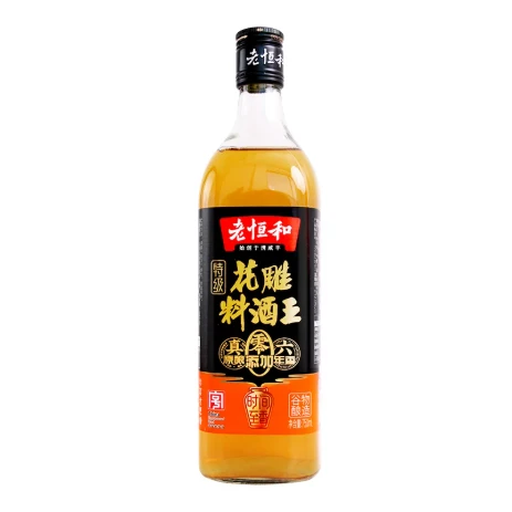
Why this fits the profile: A Huadiao variety for home cooks who want a distinctive Chinese rice wine style for fish, meat, sauces and braised dishes.
The product information lists rice, wheat, salt and plant-based herbs. This means you can check the flavour profile and wheat allergen risk in advance.
750 ml content and a stated rice wine base with herbs. Check the label for the current composition and storage advice.
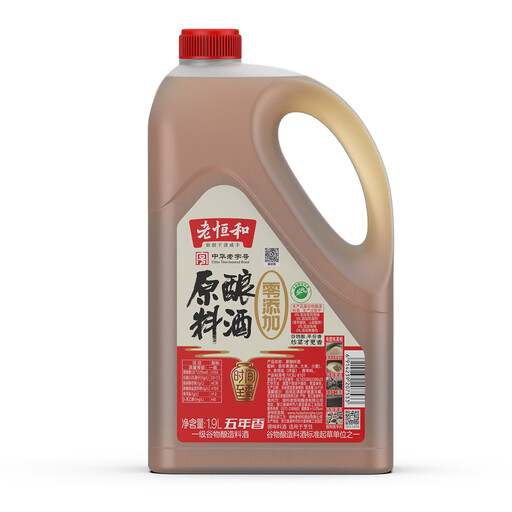
Why this fits the profile: The large bottle is aimed at households that frequently marinate, stir-fry, braise or cook for several people.
The alcohol content of 20% ABV and the ingredients are listed. This helps with planning dosage and cooking method, rather than relying blindly on marketing language.
1.9 litre content and a base of aged yellow rice wine. According to the product information, it contains wheat, salt and herbs.
We’ve put together a full, up-to-date list of products that fully meet these strict selection criteria and comply with current European safety regulations.
Not always. Shaoxing cooking wine refers to a specific style of Chinese rice wine from Shaoxing. Other cooking wines may also contain rice wine, but are sometimes supplemented with edible alcohol, salt, herbs, flavour enhancers or colourings. Check the ingredients and alcohol percentage on the bottle.
Choose a variety that, according to the product information, is intended for fish, seafood or marinating. A spring onion and ginger cooking wine can be practical when you want to add extra aromatics without preparing them separately. Add the wine in moderation and watch the salt content if you’re also using soy sauce or stock afterwards.
Always follow the instructions on the label. Many products should be stored tightly sealed, in a cool place and out of direct sunlight. For some varieties, refrigeration after opening is recommended. It’s a good idea to note the opening date and choose a smaller size if you only cook occasionally.
