
Vandaag of morgen in huis

Kwaliteit gegarandeerd

Welkomstaanbiedingen ontgrendelen: GRATIS bezorging | Tot 80% korting | Gratis 30 dagen JoyPlus-proefperiode
Download de app
Chinese rice wine isn’t a single product. Under the same search term you’ll find mild fermented rice wine, Shaoxing wine, Huadiao wine, cooking wine and sweet rice wine. The difference determines whether the bottle is suitable for a dessert, marinade, stir-fry or for serving chilled.
You often only notice the wrong choice once you’re in the kitchen. A cooking wine can be too salty to drink, while a soft sweet rice wine won’t give enough depth to a savoury dish. So don’t just rely on the Chinese label or attractive terms like “traditionally brewed” – check the ingredients, the alcohol percentage and the usage instructions.
Chinese cooking wine often contains salt, flavour enhancers or spices. That can be handy for marinating and braising, but it makes the drink less suitable for serving straight. Wang Zhi He Chinese Cooking Wine, for example, states that the product is not intended as a beverage. The nutritional information also shows 3g of salt per 100ml.
A drinkable Shaoxing or Huadiao wine usually has a clear alcohol percentage and different serving instructions. So always check whether the product information says “for culinary use” or “not intended for consumption as a beverage”.
Some sweet varieties have a low alcohol percentage but are not automatically alcohol-free. Mi Popo Sweet Glutinous Rice Wine is sold with 1.2% alcohol by volume, while other rice wine sap variants list an alcohol percentage from 0.5% upwards. If you want to avoid alcohol completely, you must check the label and current product information rather than relying solely on the term “rice wine sap”.
The usual warnings apply to alcoholic products. Drink in moderation and observe the legal minimum age. Alcohol is not recommended during pregnancy.
Cooking wine is a seasoning, not a neutral liquid. Besides rice wine, ingredients such as salt, ginger, spring onion, spices, monosodium glutamate or caramel colour may be present. This affects the final flavour and the amount of soy sauce or salt you add to a dish.
A product with a high rice wine content, such as Chubang Vintage Cooking Wine which according to the product description contains 87% rice wine, can turn out differently from a blended cooking wine with multiple seasonings. So look at the ingredients list, not just the name on the front.
Use the following breakdown as a practical guide:
The alcohol percentage doesn’t tell you everything about the flavour. Sweet rice wine often also contains relatively high levels of carbohydrates and sugars. Check the nutritional information when that’s relevant to your choice.
The base can consist of water, glutinous rice, rice, rice yeast and sometimes wheat. Shaoxing wine and Huadiao wine often contain wheat. This is listed as an allergen on, among others, Shaoxing Huadiao Wine 750ml and Kuai Ji Shan 5-Year Aged Chunzheng Shaoxing Wine.
Cooking wines can also contain salt, spices and flavour enhancers. If you need to eat gluten-free, it’s wise to check not just the product name but also the allergen information. Always check the current packaging before purchase, as product compositions can change.
A 500ml bottle is practical for regular cooking. For a household that often makes Chinese dishes, 1 litre or 1.9 litres can be more economical per use, but only if you finish the bottle in time.
Pay particular attention to the storage instructions:
For hot dishes, follow the recommended preparation. According to the product description for Mi Popo Sweet Glutinous Rice Wine 900g, this variety should preferably be added towards the end and not boiled for a long time. This helps preserve the described sweet aroma.
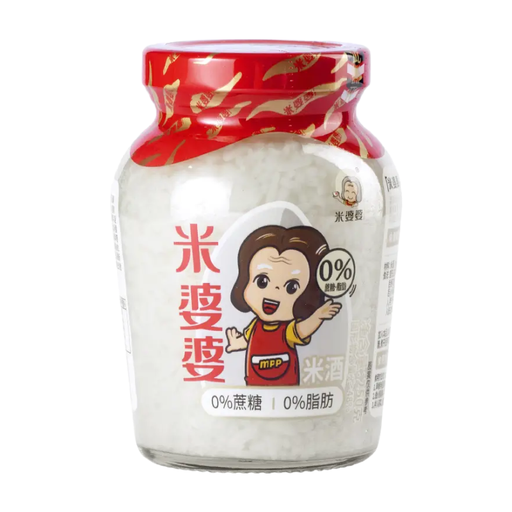
Why this fits the profile: The small bottle is ideal if you want to try sweet fermented glutinous rice wine for the first time without buying a large pack straight away. You can drink it chilled or use it in sweet dishes.
The alcohol percentage of 1.2% is clearly stated. This makes it easier to distinguish from alcohol-free drinks and stronger Shaoxing wine.
250g pack; ingredients are water, glutinous rice and brewer’s yeast; ready to drink.
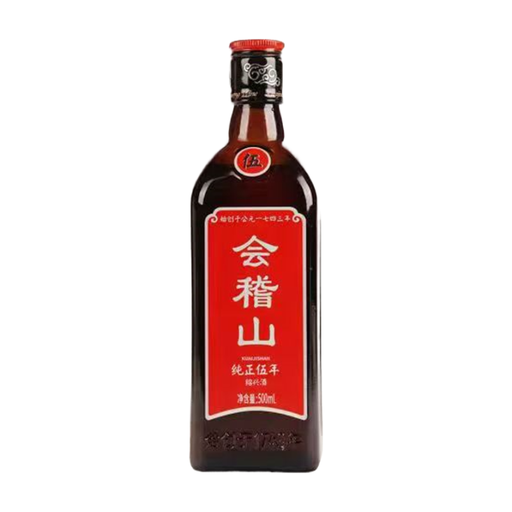
Why this fits the profile: This Shaoxing wine has been aged for five years according to the product description and has an alcohol percentage of at least 14%. That suits enthusiasts looking for a fuller rice wine profile for drinking or cooking.
The product details explicitly list the ingredients and alcohol percentage. This makes the wine clearly distinguishable from salted Chinese cooking wine.
500ml; five-year aged base wine according to the product description; suitable for serving chilled, at room temperature or lightly warmed.
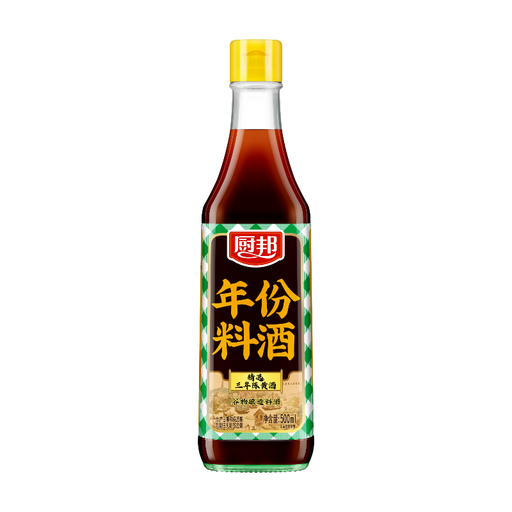
Why this fits the profile: This Chinese cooking wine is designed for marinating, stir-frying, braising and soups. That makes it practical for home cooks who often prepare meat, fish or seafood.
The product information states 87% rice wine and makes clear that it is a cooking ingredient. So you’re buying a targeted seasoning rather than a drinking wine.
500ml; suitable for marinades of 15–30 minutes according to the product description; contains rice wine, salt, spice extracts and dried tangerine peel extracts.
We’ve put together a full, up-to-date list of products that fully meet these strict selection criteria and comply with current European safety regulations.
For a marinade, you can usually use one to two tablespoons of cooking wine, depending on the amount of meat, fish or tofu. When stir-frying, add a small splash when the ingredients are almost cooked. For braising and soups, you can add the wine earlier so the flavour spreads through the dish.
A sweet rice wine works better with:
Plum wine is a different category. Mi Popo Meishenmei Traditional Rice Lees Plum Wine contains green plums, rock sugar and alcohol according to the product information, and has 15% alcohol by volume. This variety is mainly suitable for drinking chilled, with ice or with soda water, and has a fruitier profile than classic Shaoxing wine.
No. Shaoxing wine is a specific style of Chinese rice wine, often made with glutinous rice, wheat and water from the Shaoxing region. The name “Chinese rice wine” is broader and can also include sweet fermented glutinous rice wine, rice wine sap and cooking wine.
Choose a product that clearly states it is intended as Chinese cooking wine or rice wine for cooking. Check the salt content and the ingredients. For a dish where the wine needs to provide a noticeable layer of flavour, you can also use a drinkable Shaoxing or Huadiao wine, as long as the preparation and recipe support it.
This varies by product. Sweet fermented varieties often need to be refrigerated and used within a few days. Some fruit wines recommend consumption within five days, while a plum wine should be drunk within 24 hours of opening according to the product information. Always follow the instructions on the packaging.
