
当日/次日达

品质保障

开启新人专享福利: 全场免邮 | 低至 2 折 | 免费试用 30 天 JoyPlus 会员
下载 Joybuy
Want to bring that authentic Chinese restaurant flavor into your own kitchen? The right bottle of Chinese cooking wine is essential. It's the secret ingredient that tenderizes meat, neutralizes unwanted odors in fish, and adds that deep umami flavor to your stir-fries and marinades.
But the aisle of Asian cooking wines can be overwhelming. The wrong choice not only leads to a disappointing dish but also to wasted money. Let's walk through the most common pitfalls so you know exactly what to look for.
Pitfall 1: Using regular drinking rice wine for cooking. Many people reach for a bottle of expensive, drinkable rice wine or sake, thinking it will improve the quality. In reality, this is a waste of money. Cooking wines are specifically formulated for culinary use: they contain salt and have a more robust flavor profile that stands up to heat.
Pitfall 2: Choosing the wrong type of Asian cooking wine. Not all Asian cooking wine is the same. Japanese mirin, for example, is sweet and intended for glazes, while Shaoxing wine has an earthy, salty, and complex flavor that is essential for many Chinese braises and stir-fries. Using the wrong type can completely throw off the flavor balance of your dish.
You don't need to be a label expert to choose the right bottle. Pay attention to these two practical characteristics, and you'll almost always make the right choice.
The term rice wine for cooking is broad. The most famous variety is Shaoxing wine (绍兴酒), an amber-colored, fermented wine made from glutinous rice, water, and wheat. This wine comes from the Shaoxing region and is known for its complex, salty, and slightly nutty flavor. It is the gold standard for classic dishes like Hong Shao Rou (red-braised pork belly).
You will also often see Liaojiu (料酒) on the label. This is a more general term for cooking wine. These wines are often fortified with spices like ginger, scallion, or star anise. They are very practical for a quick marinade wine because the extra aromatics are already included.
An authentic Chinese cooking wine always contains salt. This is added not only for flavor and preservation but also to make the wine unsuitable for drinking. This is a legal requirement in many countries to bypass alcohol taxes, which keeps the price lower for the consumer.
Also, check for any additives. A cooking wine with ginger and scallion can save you prep time. A pure Shaoxing wine, on the other hand, gives you more control over the final result. The choice depends on your cooking style.
Below are a few choices that suit different types of home cooks, based on their product specifications.
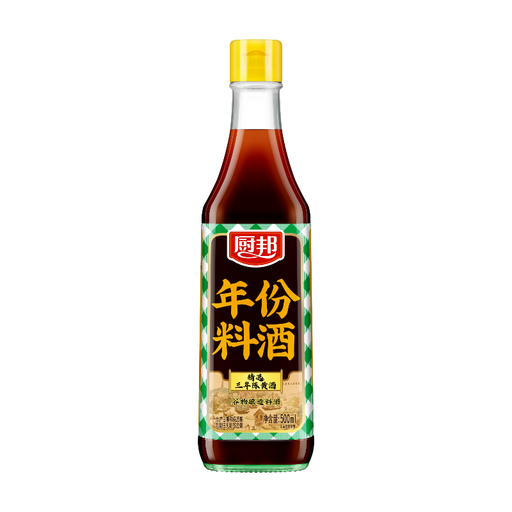
Why This Fits Their Persona: This is an excellent all-purpose cooking wine. It's ideal for those just starting with Chinese cuisine who need a reliable, versatile bottle for marinades, stir-fries, and stews without needing to specialize.
This product is clearly positioned as a cooking wine, not a drinking wine. The ingredient list (which includes salt) confirms it's made for cooking, helping you avoid the mistake of buying an expensive, drinkable rice wine.
Made with 87% rice wine and enriched with spice extracts for a subtle aromatic depth. A reliable foundation for a wide range of dishes.
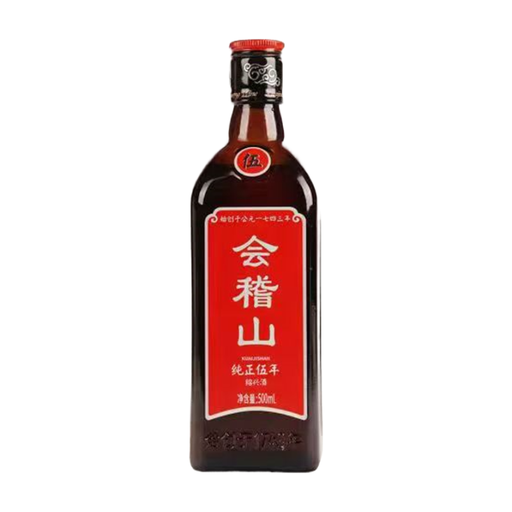
Why This Fits Their Persona: For the cook seeking the deep, complex flavor of true Shaoxing wine. Perfect for traditional braised dishes where the quality of the wine makes a noticeable difference in the final result.
This is a specific, authentic Shaoxing wine, not a generic 'Asian cooking wine.' It helps you avoid the pitfall of confusing different types, as you get exactly what's needed for classic recipes.
The base wine is aged for five years, which creates a rich aroma and a smooth flavor. Brewed with water from Jianhu Lake, glutinous rice, and wheat using traditional techniques.
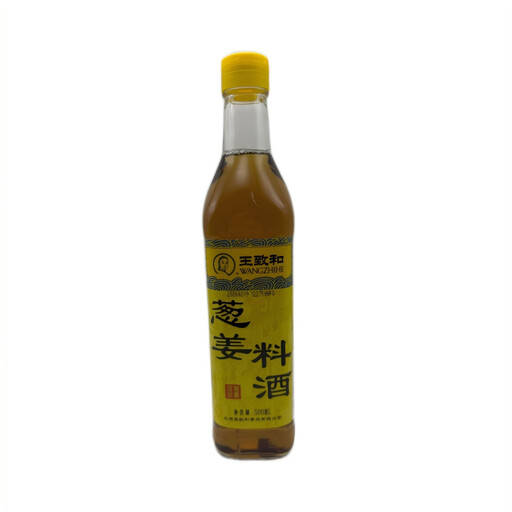
Why This Fits Their Persona: Ideal for those who want to save time without compromising on flavor. This cooking wine is already infused with scallion and ginger, two foundational aromatics in Chinese cooking. Perfect for quick marinades and stir-fries.
This is a clear 'Liaojiu' (spiced cooking wine). You know exactly what you're getting: a multi-purpose product that eliminates a step in the cooking process. You won't buy a pure rice wine when you're actually looking for a spiced version.
Enriched with scallion and ginger powder to remove meaty odors and enhance flavor. A convenient 2-in-1 solution for the busy home cook.
We have compiled a complete, up-to-date list of products that fully meet these strict selection criteria and local regulations.
Chinese cooking wine, particularly Shaoxing, is salty and has an earthy, complex flavor. It's used to add depth and remove odors. Sake for cooking is typically milder and less salty. Mirin is a sweet Japanese rice wine used mainly for glazes and adding a sweet sheen to dishes like teriyaki. They are not interchangeable.
Thanks to its salt and alcohol content, cooking wine has a long shelf life. After opening, store the bottle tightly sealed in a cool, dark place, like a kitchen cabinet. Refrigeration is not strictly necessary but can help preserve its quality for longer. The wine generally stays good for several months to a year, although the flavor intensity may slightly diminish over time.
Dry sherry is often cited as an acceptable substitute if you can't find Shaoxing wine. It does a decent job of mimicking the nutty and complex flavor. However, it's not a perfect match. For a truly authentic Chinese dish, Shaoxing wine remains the recommended choice. If you do use sherry, add a small amount of salt to approximate the profile of a cooking wine.
