
Vandaag of morgen in huis

Kwaliteit gegarandeerd

Welkomstaanbiedingen ontgrendelen: GRATIS bezorging | Tot 80% korting | Gratis 30 dagen JoyPlus-proefperiode
Download de app
Ever find yourself in front of the Asian sauces aisle, wondering which bottle of Chinese rice wine you actually need? The choice can be overwhelming: Shaoxing wine, Chinese cooking wine, yellow rice wine... They may look similar, but each has its own unique role in the kitchen. Using the wrong one can completely alter the flavour of your dish.
As a Joybuy Product Recommendation Officer, I'm here to help guide you. In this guide, we'll cut through the noise and offer practical advice, so you'll know exactly which rice wine to buy for your next culinary adventure. We'll focus on specifications and applications, without the marketing fluff.
Before we get to the recommendations, here are a few key points to help you make an informed choice at the store.
A key distinction is between wine intended solely for cooking and wine that you can also drink. Many products labelled 'cooking wine' contain a significant amount of salt. This is done to preserve the wine and make it unsuitable for consumption, which in some countries places it under a different excise duty category. This is fine for cooking with rice wine, but the salt content can affect the flavour balance of your dish.
Authentic Shaoxing wine, a type of yellow rice wine (huangjiu), on the other hand, is a fermented beverage traditionally enjoyed both as a drink and used in cooking. These wines typically contain no added salt and offer a much more complex and deeper flavour.
A glance at the label reveals a lot. A good rice wine is made from a short list of ingredients: water, (glutinous) rice, and often wheat (for fermentation). Age can also play a role. Just like with other wines, ageing results in a rounder and richer flavour. For example, a 3- or 5-year-aged Shaoxing wine has a much deeper aroma than a young, unaged version.
Consider what you'll be using the rice wine for.
hong shao rou), a robust Shaoxing wine is essential for the signature deep, aromatic flavour.bao xiang) creates steam and aroma, giving the dish a professional touch.Based on product specifications and potential applications, we've highlighted a few interesting options for you.
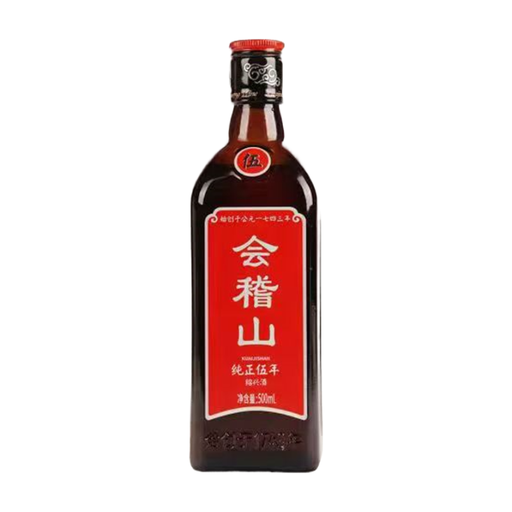
Why it stands out: This is a classic, amber-coloured Shaoxing wine that has been aged for five years. The ageing process provides a noticeably deeper and more complex flavour profile than younger varieties.
Key Features:
Who is it for? For the home cook seeking the authentic, deep flavour essential for many classic Chinese dishes. Also a great choice for those who want to experience the traditional way of drinking Shaoxing wine.
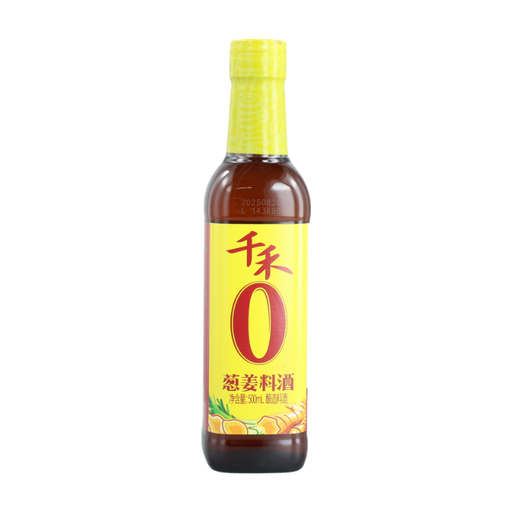
Why it stands out: This product combines Chinese cooking wine with two of the most important aromatics in Chinese cuisine: scallion and ginger. It's a convenient all-in-one solution.
Key Features:
Who is it for? Ideal for the novice cook or the time-crunched home chef. It offers a reliable and quick way to flavour dishes without needing fresh scallions and ginger on hand.
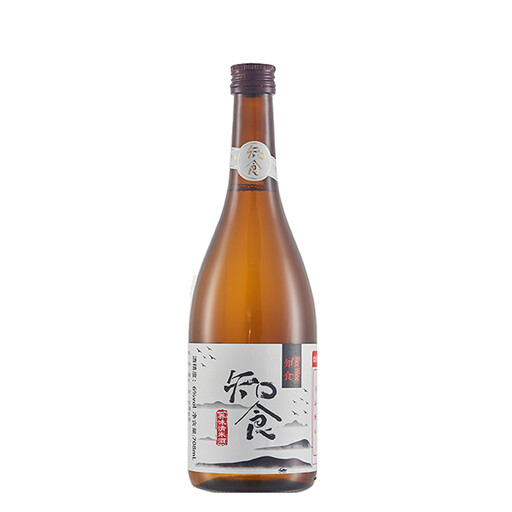
Why it stands out: The purity of this product. The ingredients list consists of just two items: water and glutinous rice. This is an unadulterated, clear rice wine that is highly versatile.
Key Features:
Who is it for? For the cook who wants a clean, neutral rice wine that is highly versatile. Perfect for dishes where a subtle flavour is desired, such as steamed fish or light soups.
The world of Asian condiments is rich and diverse. The products mentioned above are a starting point, but there are many more varieties to suit specific recipes or preferences.
Looking for a different type of cooking wine, a specific black vinegar, or another condiment for your dishes? Explore our full range in the Alcohol Vinegar category.
What is the difference between Chinese rice wine and Japanese mirin? Although both are made from rice, they are very different. Chinese rice wine like Shaoxing is fermented, savoury, and complex, with an alcohol content similar to grape wine. It's used to add depth and aroma. Mirin is a sweet Japanese rice wine with a lower alcohol content and high sugar content, primarily used to add a glaze and sweetness to dishes like teriyaki sauce.
Can I substitute Shaoxing wine? A common substitute is dry sherry. While this can work in a pinch, it lacks the unique, earthy, and complex flavour of authentic Shaoxing wine. For an authentic result, it's worth the effort to use the correct product.
How do I store opened Chinese cooking wine? After opening, store the bottle in a cool, dark place. The refrigerator is the best place for it. This is especially true for drinkable, salt-free varieties, as it helps to preserve their flavour and freshness for longer. Cooking wines with salt have a longer shelf life, but here too, cool storage will benefit the quality.
