
Livraison le jour même et le lendemain

Qualité garantie

Débloquez vos offres de bienvenue: Livraison GRATUITE | Jusqu'à -80 % | 30 jours d'essai gratuits à JoyPlus
Téléchargez l'application
As a Joybuy Product Recommendation Officer, I often see people get stuck when choosing the right Asian ingredients. You've found a delicious recipe, search online for "buy rice wine," and are faced with an overwhelming array of options. Shaoxing, Makgeolli, salted cooking wine, unsalted cooking wine... The wrong bottle can give your dish a completely different flavour or simply be unpleasant to drink.
Before you make a choice, it's good to know two common pitfalls that home cooks and foodies often encounter:
To choose the right bottle, you don't need to be a label expert. Pay attention to the following three points, and you'll almost always make the right choice.
The first and most important question is: what will you be using the rice wine for?
The origin reveals a lot about the flavour and use.
A quick look at the label helps you separate marketing jargon from reality. Authentic rice wine is made from a short list of ingredients. Look for:
Products with a long list of additives, sugar as one of the first ingredients, or just 'alcohol' without a clear origin, are often not the traditional, fermented products you need for an authentic taste. When you shop at an online Asian grocery store, a clear ingredient list provides confidence.
To help you get started, we have matched a few products with specific user profiles.
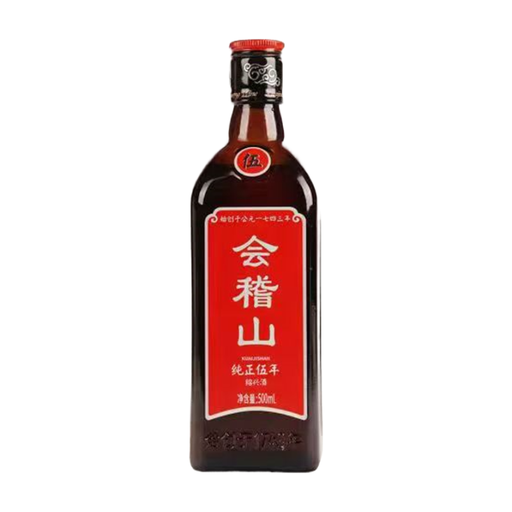
Why This Fits Their Persona: This user wants the deep, complex flavour that is essential for authentic Chinese stews and stir-fries. A generic cooking wine won't suffice.
This is a genuine, 5-year-aged Shaoxing wine, not a simple salted cooking wine. It delivers the authentic flavour needed for traditional recipes, without the risk of an overly salty dish.
Made with water from Jianhu Lake and traditionally brewed. The five-year ageing process provides a rich, smooth flavour that adds depth to dishes.
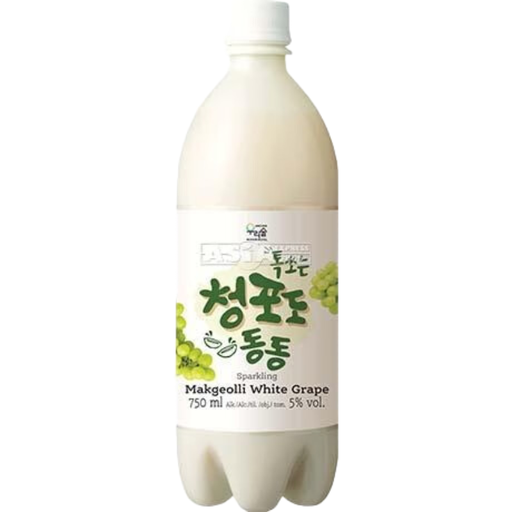
Why This Fits Their Persona: This person is interested in Korean culture and is looking for an approachable, flavourful, and social drink. The focus is on enjoyment, not cooking.
This product is clearly a Korean rice wine for drinking. It avoids confusion with Chinese cooking wine and delivers the sweet, sparkling experience one expects from Makgeolli.
Combines traditional, creamy Makgeolli with a modern, sweet white grape flavour. The low alcohol content (5%) makes it a refreshing and approachable drink.
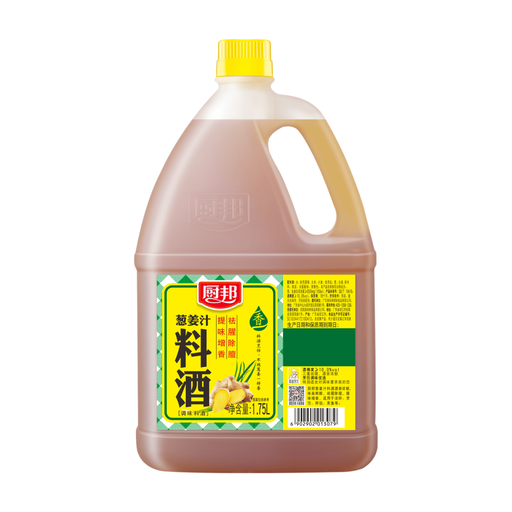
Why This Fits Their Persona: This cook regularly prepares Asian food and seeks an efficient, reliable cooking wine for everyday use. Convenience and consistent flavour are key.
This is explicitly a Chinese cooking wine, designed for marinating and flavouring. The addition of ginger and scallion makes it clear that this is a functional kitchen product, not a beverage.
Saves time as ginger and scallion are already included. The large 1.75L bottle is practical and economical for those who frequently cook Asian dishes.
We have compiled a complete, up-to-date list of products that fully meet these strict selection criteria and current regulations.
Although both are Asian cooking wines, they are very different. Shaoxing wine is Chinese, made from fermented rice, and has a savoury, complex flavour. It is used in savoury dishes. Mirin is Japanese, has a much higher sugar content, and a sweet taste. It is often used for glazes, teriyaki sauce, and to add a sweet touch to dishes. They are not interchangeable.
This depends on the type. Salted cooking wine has a very long shelf life, even outside the refrigerator, because the salt acts as a preservative. Drinkable rice wine like Makgeolli or high-quality Shaoxing should be refrigerated after opening. Makgeolli is best consumed within a few days to preserve its light fizz. Shaoxing wine will keep for several months in the refrigerator. Always consult the label for specific storage instructions.
It is difficult to completely replace the unique, deep flavour of fermented rice wine. To replicate some of its function (adding depth of flavour and tenderising), you can try a mixture of chicken or vegetable broth with a splash of black rice vinegar. This approximates the savoury and acidic notes, but the result will be different from using real Shaoxing wine.
