
Vandaag of morgen in huis

Kwaliteit gegarandeerd

Welkomstaanbiedingen ontgrendelen: GRATIS bezorging | Tot 80% korting | Gratis 30 dagen JoyPlus-proefperiode
Download de app
Asian rice wine isn’t a single product. This category includes Chinese rice wine, Japanese sake, mirin seasoning and Korean makgeolli, among others. The differences in alcohol content, sweetness, ingredients and use are significant. A bottle that works well for teriyaki, for example, won’t necessarily be enjoyable to drink on its own.
If you focus mainly on an attractive label or the word “traditional”, you could easily make the wrong choice. By checking the following points, you can compare products based on concrete information and make a more informed decision.
Rice vinegar is acidic and intended for dressings, marinades and dips. It is not a substitute for sweet rice wine. Mirin is usually a sweet Japanese cooking wine or mirin-style seasoning. Some varieties contain alcohol, while others are primarily made from syrup, fermented rice and flavourings.
Always check the product name and the ingredients list. A product labelled “vinegar” or “azijn” belongs to a different category.
A sweet taste doesn’t tell you much about the alcohol level. Japanese sake, for example, can be around 14 to 16% ABV, while some Chinese fermented rice drinks are around 1.2% ABV. Korean makgeolli is often lightly sparkling and generally has a lower alcohol content than sake, but this varies from bottle to bottle.
Check the stated alcohol by volume (ABV) before you order. Also look out for warnings on the label. Alcoholic drinks are not suitable for minors and are not recommended during pregnancy or breastfeeding.
A large bottle may seem good value, but chilled fermented products can have a limited shelf life once opened. For example, Mi Popo Sweet Glutinous Rice Wine (900g) states that the bottle must be refrigerated after opening and used within three days. A smaller bottle can be more practical if you only use rice wine occasionally.
For drinking with sushi, sashimi or grilled dishes, you’ll need different characteristics than for a dessert or sauce. Junmai sake is a Japanese sake variety that, according to the product information, is made with rice, water, koji and yeast, with no added alcohol. The Ozeki Junmai Sake 750 ml states 14% vol; the 375 ml variant states 16% ABV.
For a light, fruity option, there are also flavoured drinks. Nenohi Red Grape + Daiginjo Sake contains 7% alcohol according to the product information. This is a different category from a dry sake and is better suited to a sweeter pairing or dessert.
Check whether the product contains only rice, water, yeast and koji, or also sugar, fruit concentrate, syrup, salt or other additions. This will help determine whether you’re looking for a drink to serve on its own or a rice wine for cooking.
With mirin seasoning, the ingredients list is especially important. Saitaku Mirin Seasoning contains, according to the product information, 36% glutinous rice, water, rice and lemon extract. Mizkan Honteri is a mirin-style sweet cooking seasoning containing glucose syrup, vinegar, fermented rice alcohol and sugar, among other ingredients. The Mizkan Mirin Seasoning 360 ml also lists soya as an allergen. Always check the current label, particularly if you have allergies.
Store an unopened bottle according to the instructions on the packaging, usually in a cool place away from direct sunlight. Some products need to be refrigerated after opening. A drink containing rice particles or fermented glutinous rice can otherwise change flavour more quickly.
For hot preparations, Chinese rice wine or sweet rice wine is often added towards the end. Prolonged cooking can reduce the aroma. For chilled products such as makgeolli, it’s best to follow the serving instructions; with an unfiltered variety, gentle shaking may be part of the serving process.
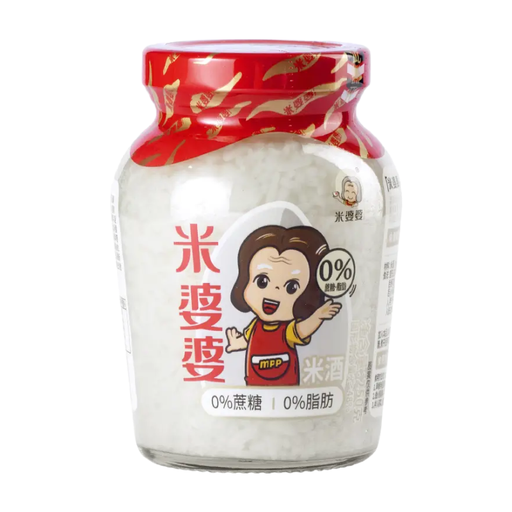
Why this fits the profile: The small bottle is handy for trying sweet rice wine without committing to a large quantity. The product is ready to serve chilled and can also be used in desserts or dishes.
The alcohol content of 1.2% is clearly stated. The 250g bottle also reduces the chance of long-term storage after opening.
250g, 1.2% ABV, ready to drink and usable as an ingredient for fermented rice desserts.
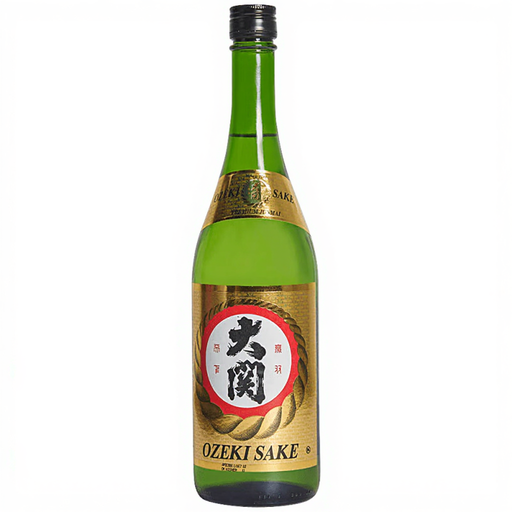
Why this fits the profile: This Japanese sake is designed for drinking with meals and can be served chilled, at room temperature or lightly warmed.
The product information lists the Junmai ingredients: rice, water, koji and yeast, with no added alcohol or artificial additives.
750 ml, 14% vol, suitable for multiple serving temperatures and pairs well with sushi, sashimi and grilled dishes.
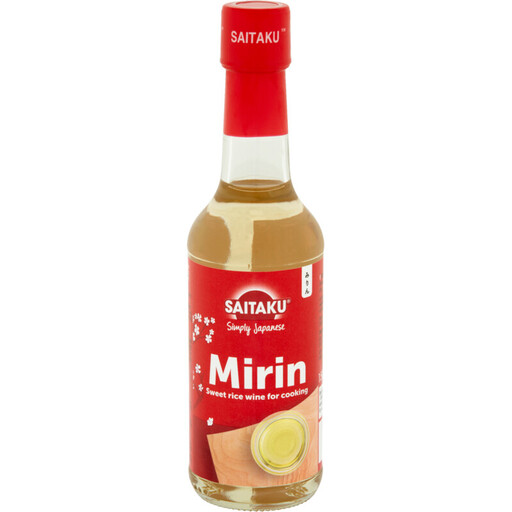
Why this fits the profile: This sweet Japanese cooking wine is practical for sauces, marinades and glazes when you’re looking for a controlled sweet-savoury flavour.
The product description explicitly calls it a seasoning for sauces and marinades. This makes it clear that it is not a general drinking sake.
150g, 53g sugar per 100g and intended for marinades and sauces.
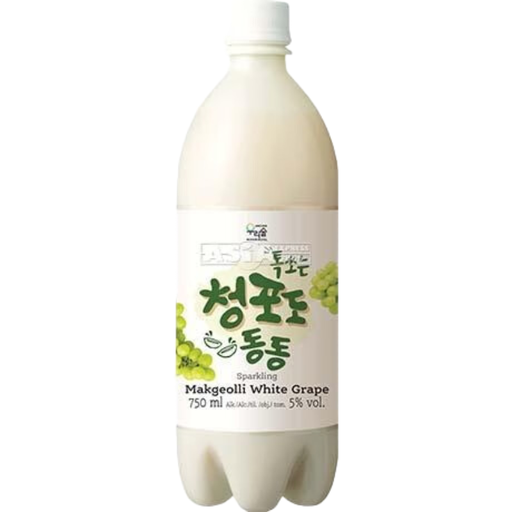
Why this fits the profile: This Korean makgeolli combines a rice base with white grape and is intended to be served chilled alongside Korean dishes, spicy snacks or light desserts.
The alcohol content of 5% and the grape flavour are clearly stated. This means you know it’s a flavoured drink, not a dry sake.
5% ABV, white grape, creamy product style and a serving suggestion for cold consumption.
We’ve put together a full, up-to-date list of products that fully meet these strict selection criteria and comply with current European safety regulations.
Also note the difference between a product for drinking and a product for cooking. A rice wine dessert may contain sugar, while a sake for drinking with food is likely to be drier and less sweet.
No. The alcohol content varies from product to product. Some fermented rice drinks contain very little alcohol, while sake and certain fruity rice wines are considerably stronger. Always check the ABV on the label. A product described as non-alcoholic should also be distinguished from a drink with a low alcohol content.
That depends on the product and the packaging. Some Chinese varieties must be refrigerated after opening and consumed within a few days. Sake should generally be stored in a cool place and kept tightly sealed. Always follow the storage instructions and the best-before information on the packaging.
Sometimes you can, but the result will be different. Mirin is usually intended to add sweetness, shine and flavour to sauces. Sweet rice wine with rice grains can be thicker or have a different texture. Start with a small amount and adjust the sugar and salt in the recipe based on the ingredients list.
