
Vandaag of morgen in huis

Kwaliteit gegarandeerd

Welkomstaanbiedingen ontgrendelen: GRATIS bezorging | Tot 80% korting | Gratis 30 dagen JoyPlus-proefperiode
Download de app
Buying Japanese sake and cooking ingredients online seems straightforward – until you start comparing labels side by side. A bottle of sake might be intended for drinking, cooking, or as a base for a sweet mix. Mirin also has clear differences in alcohol content, salt and composition. If you rely only on the name or an attractive package, you can end up paying for a product that doesn’t suit your recipe.
This guide helps you compare products based on verifiable information. That way, you can make more informed choices for sushi, teriyaki, marinades, desserts, or a drink to enjoy.
Mirin seasoning is usually a sweet flavouring for sauces and marinades. The composition varies by brand. Saitaku Mirin Seasoning lists glutinous rice, water, rice and lemon extract among its ingredients. Mizkan Mirin Seasoning contains rice, rice koji, salt, alcohol and glucose syrup. Mizkan Honteri is a mirin-style sweet cooking seasoning with glucose syrup, rice and fermented rice alcohol.
In practice, this means: don’t just look for “mirin” – also check the sugar, salt and alcohol information. For a teriyaki sauce, a saltier variety could affect how much soy sauce you need.
Junmai sake refers to the production method and ingredients. According to the product information for Ozeki Junmai Sake, it is made with rice, water and koji, with no added brewing alcohol. That doesn’t automatically tell you whether the flavour is sweet, dry, light or full-bodied. So also look at the description, the alcohol percentage and the recommended serving occasion.
A dry sake often pairs well with savoury dishes, but personal preference still matters. A sweet sake or fruity sake blend can be more approachable if you’re trying Japanese drinks for the first time.
Japanese rice vinegar is generally milder than many Western vinegars. Some varieties already contain sugar and salt, while others list only rice and water. Saitaku Rice Vinegar contains rice vinegar, sugar and salt according to the product information. Otafuku Pure Rice Vinegar lists water and rice as ingredients.
If you use a seasoned rice vinegar for sushi, don’t automatically add extra sugar and salt. With pure rice vinegar, you can adjust the flavour yourself.
For drinking, look at:
For cooking, the following points are especially relevant:
Cooking sake is not the same as a drinkable junmai sake. A cooking variety may contain salt and other flavourings. So use the product name and ingredients list as your starting point, not just the word sake.
With sweet sake and fruity blended drinks, sugar and fruit juice play a clear role. Nenohi Red Grape + Daiginjo Sake contains red grape juice, sugar and Daiginjo sake, and has 7% alcohol according to the product information. The Chardonnay variant combines Daiginjo sake with Chardonnay wine and sugar, also at 7% alcohol.
With dry sake, the flavour is described as less sweet. Ozeki Junmai Sake Dry 180 ml is described as a dry sake made from rice, water, yeast and koji. The small size is handy if you want to try it first.
Always check the current packaging. The product information provided states that several sake and vinegar products do not contain any of the 14 major EU allergens. Mizkan Mirin Seasoning, however, lists soya. Obento Mirin Seasoning contains soy sauce and wheat among its ingredients.
Store unopened bottles in a cool, dry place away from direct sunlight. After opening, instructions vary by product. Mizkan Honteri, for example, recommends storing in the fridge after opening. For alcoholic drinks, the product information advises keeping the bottle tightly sealed and avoiding temperature fluctuations.
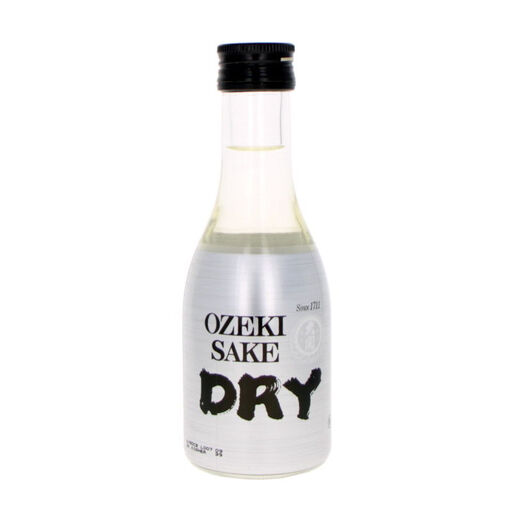
Why this fits the profile: The small bottle limits waste and is practical for trying a dry junmai sake with sushi or sashimi first.
The product name clearly states “Dry” and “Junmai”, so you’re less likely to mistake a sweet fruit blend for a dry sake.
180 ml, around 14% alcohol according to the product information, and ingredients based on rice, water, yeast and koji.
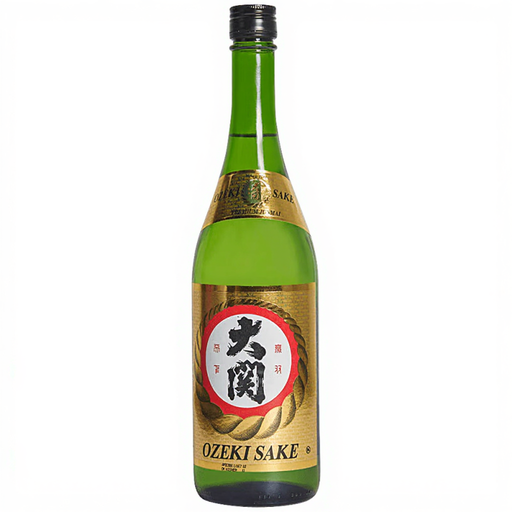
Why this fits the profile: The 750 ml size suits dinners, special occasions and enthusiasts who want to serve sake chilled, at room temperature or gently warmed.
The description mentions the Junmai method and states no added alcohol or artificial additives.
750 ml, around 14% alcohol and an ingredients list of rice, water, koji and yeast.
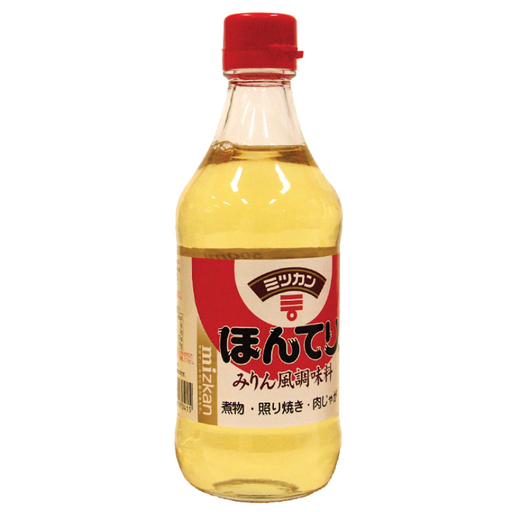
Why this fits the profile: A 360 ml size is practical for regular use in teriyaki, sukiyaki, marinades and sauces.
The ingredients list includes salt and soya. This means you can adjust the amount of soy sauce and extra salt in a recipe more easily.
Japanese origin according to the product information, 360 ml volume and a sweet-mild flavour for glazes and sauces.
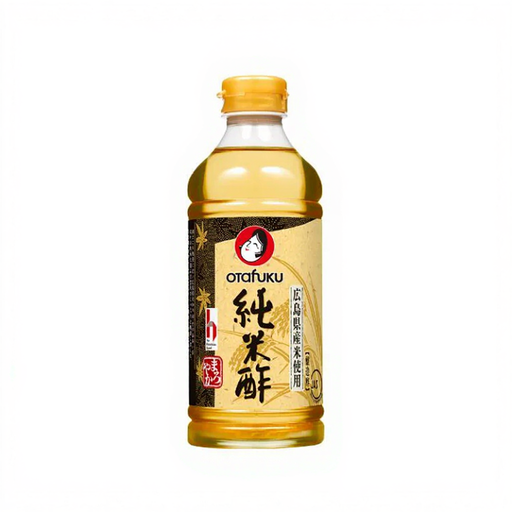
Why this fits the profile: The 500 ml bottle is suitable for anyone who regularly makes sushi, salads, marinades or dipping sauces.
According to the product information, this variety consists of water and rice. You can therefore add sugar and salt yourself.
500 ml volume, mild acidity according to the product description, and suitable for multiple dishes.
We’ve put together a full, up-to-date list of products that fully meet these strict selection criteria and current European safety regulations.
Junmai sake is made with rice, water, koji and yeast, with no added brewing alcohol, according to the product information. Other sake products may have a different composition. Always check the label and the alcohol percentage.
A mild Japanese rice vinegar generally works well with sushi. Choose a seasoned variety if you want convenience, such as a product with sugar and salt. Choose a pure rice vinegar when you want to adjust the flavour of the sushi rice yourself.
That varies by product. Follow the packaging. Mizkan Honteri recommends refrigeration after opening, while other products should mainly be stored cool, dry and tightly sealed. Also check the best-before information before using an opened bottle.
