
Vandaag of morgen in huis

Kwaliteit gegarandeerd

Welkomstaanbiedingen ontgrendelen: GRATIS bezorging | Tot 80% korting | Gratis 30 dagen JoyPlus-proefperiode
Download de app
When you want to buy Japanese sake, you’ll quickly come across terms like junmai, dry, daiginjo and mirin seasoning all mixed together. The bottle sizes vary too, from a small 180 ml bottle to a 750 ml sake for a dinner party. Without reading the product information carefully, you could end up paying for a style that doesn’t suit your taste or intended use.
As Joybuy’s Product Recommendation Officer, I filter the most important information based on verifiable data such as ingredients, alcohol percentage, volume and recommended use. This way, you can separate marketing jargon from practical product features.
Sake is intended as an alcoholic drink, although you can also serve it alongside meals. Japanese mirin and mirin seasoning, on the other hand, are sweet flavourings for sauces, marinades and glazes. A product labelled “cooking sake” is also primarily meant for cooking.
Always check:
Junmai sake is typically made with rice, water, koji and yeast, without added brewing alcohol. This tells you about the composition, but not automatically whether the taste is dry, sweet, light or full-bodied. So also look at the description, the alcohol percentage and the serving suggestions.
A 1.5-litre bottle might seem good value if you drink sake regularly or cook for several people. For a first try, 180 ml or 375 ml is more practical. Once opened, the flavour and aroma can change. Always follow the storage advice on the packaging and seal the bottle properly.
A description like “dry” points to a drier taste style. The Ozeki Junmai Sake Dry 180 ml, for example, is described as clean and dry, with subtle umami notes. This style can work well with sushi, sashimi and savoury dishes.
Some junmai varieties can be served chilled, at room temperature or slightly warmed. The right choice depends on your dish and personal preference. A sweet fusion drink with grape juice or Chardonnay is quite different from traditional junmai sake.
Compare the ingredients list rather than just the front of the bottle. The Ozeki Junmai varieties list rice, water, yeast and koji. The alcohol percentage for the products mentioned is around 14 to 16% ABV.
For blended drinks, watch out for extra ingredients. Nenohi Red Grape + Daiginjo Sake contains red grape juice and has 7% ABV. The Chardonnay variety contains Chardonnay wine and also has 7% ABV. These are more accessible, sweeter options, but not classic dry junmai sake.
Alcoholic drinks are not suitable for children and are not recommended for pregnant or breastfeeding women. Drink responsibly and be aware of the legal age limits for alcohol sales and consumption.
Choose the size based on your situation:
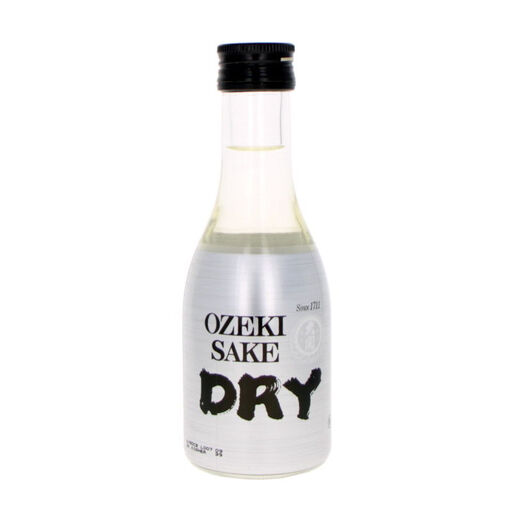
Why this fits the profile: The small size reduces waste and lets you try a dry junmai sake first with sushi or sashimi.
You don’t buy a large bottle before knowing whether the dry taste suits you. The ingredients list shows rice, water, yeast and koji.
180 ml volume, around 14% ABV and according to the product information suitable for serving chilled, at room temperature or slightly warmed.
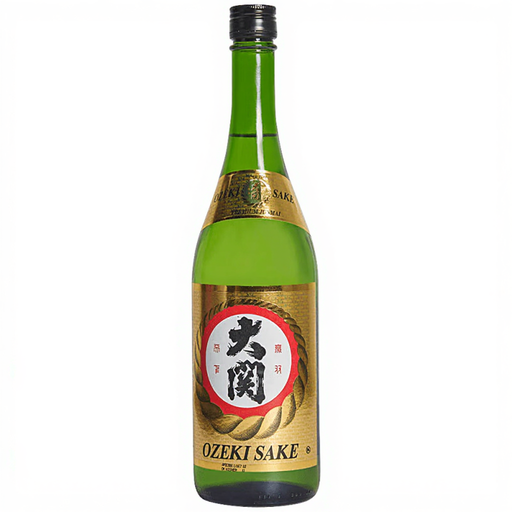
Why this fits the profile: The 750 ml bottle is ideal for sharing over dinner and suits consumers who value a traditional junmai composition.
The product description clearly states that no added alcohol is used. This prevents confusion with other sake styles.
750 ml volume, approximately 14% ABV and according to the product information can be served at different temperatures.
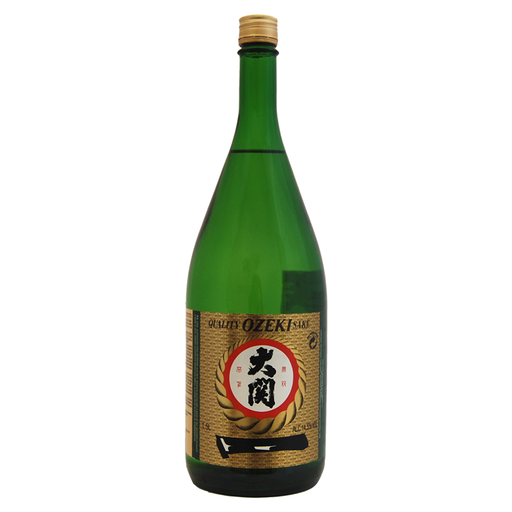
Why this fits the profile: The large bottle is practical for regular sake drinkers, larger groups or frequent use with Japanese dishes.
The large size matches heavy use, so you don’t need multiple small bottles for one bigger dinner.
1.5 litre volume and a junmai profile with no added brewing alcohol according to the product information.
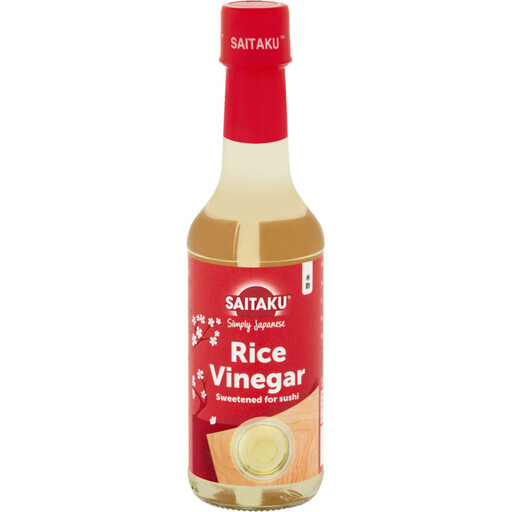
Why this fits the profile: This isn’t a drinkable sake, but a practical choice for anyone preparing Japanese dishes and looking for rice vinegar for sushi.
The clear intended use prevents you from using mirin or drinkable sake to season sushi rice.
Ready to use; the product information lists rice vinegar, sugar and salt as ingredients.
For sake for sushi, you can choose a dry junmai when you want to complement a savoury meal. If you mainly want to make sushi, you’ll also need Japanese rice vinegar for the rice. Otafuku Pure Rice Vinegar 500 ml and Mizkan Rice Vinegar 500 ml are examples of larger sizes for regular use.
For sauces and marinades, mirin seasoning makes more sense. Saitaku Mirin Seasoning 150 g has a lightly sweet taste according to the product information. Mizkan Honteri mirin-style sweet cooking seasoning 275 ml and Mizkan Mirin Seasoning 360 ml are also intended for teriyaki, marinades and sauces, among other uses. Always check the sugar and salt content of mirin, as well as any allergens such as soya.
We’ve put together a full, up-to-date list of products that fully meet these strict selection criteria and comply with current European safety regulations.
A dry junmai sake can pair well with sushi and sashimi. Look for terms like “dry” and check the alcohol percentage. A sweet sake cocktail with grape juice has a different flavour profile and is better suited to light snacks or a dessert.
Store sake according to the label, away from direct sunlight and heat. Seal the bottle properly and avoid strong temperature fluctuations. Check the specific information on the packaging for each bottle, especially after opening.
No. Mirin is a sweet Japanese cooking condiment for sauces, marinades and glazes. Drinkable sake is an alcoholic drink with a different flavour profile and purpose. Cooking sake may also contain salt or other flavourings. So always check the ingredients, alcohol percentage and the stated use.
