
Vandaag of morgen in huis

Kwaliteit gegarandeerd

Welkomstaanbiedingen ontgrendelen: GRATIS bezorging | Tot 80% korting | Gratis 30 dagen JoyPlus-proefperiode
Download de app
Standing in the supermarket aisle of Asian condiments, wondering which bottle of rice vinegar to grab? You're not alone. The selection can be overwhelming, and the labels are often unclear. The difference between pure rice vinegar and ready-to-use sushi vinegar is a common pitfall, leading to homemade sushi that's either too sour or too bland.
Another misstep is choosing a product filled with unnecessary additives. Some vinegars contain more sugar syrup than you might expect, which can disrupt the authentic flavour of your dish. This guide will help you make the right choices based on clear product features, so you know exactly what you're buying.
The most common mistake is confusing these two varieties. The distinction is simple but crucial for the success of your dish.
So, always check the ingredient list on the label. If you see only rice and water, you have pure vinegar. If sugar and salt are also listed, it's likely a seasoned sushi vinegar.
A good bottle of rice vinegar doesn't need a long list of ingredients. The base is simple and effective.
The acidity level, usually indicated as a percentage, is also a factor. A higher acidity (e.g., 5% or more) is more potent and well-suited for pickling vegetables. A lower acidity is milder and more subtle in dressings.
To help you get started, we've highlighted a few products that suit different cooking styles and needs.
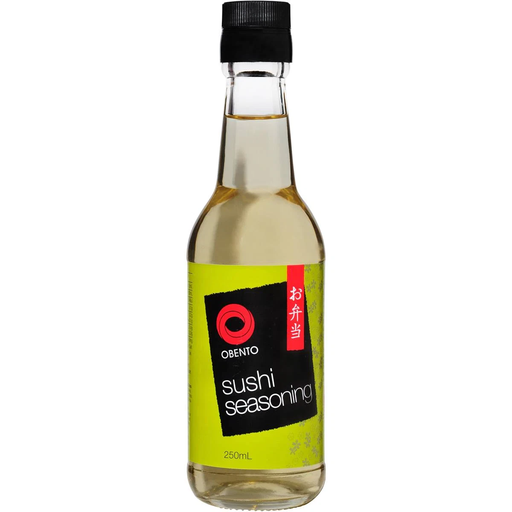
Why This Fits Their Persona: Ideal for those who want perfectly seasoned sushi rice quickly and without any fuss. No guesswork with ratios—just mix and you're done.
This product is a ready-to-use sushi vinegar. It helps you avoid the mistake of using pure, acidic vinegar, which results in disappointing sushi rice.
Convenience and a consistent, balanced flavour. The ingredients (rice vinegar, water, sugar, salt) are specifically formulated for sushi rice.
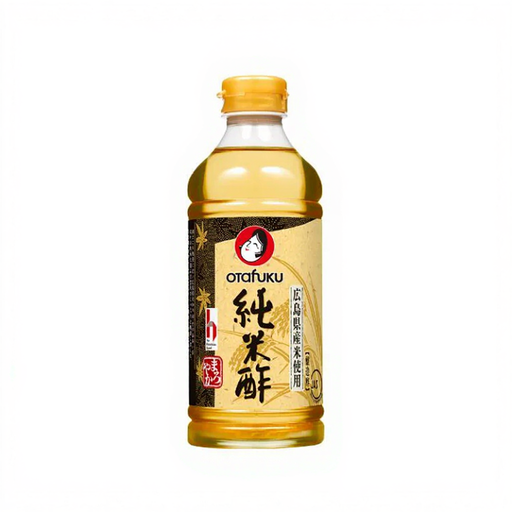
Why This Fits Their Persona: For the cook who loves to experiment. This pure rice vinegar is a blank canvas for salad dressings, marinades, stir-fries, and for making your own sushi vinegar.
You're not buying an unnecessarily sweetened product. This vinegar contains no sugar, giving you complete control over the flavour of your dishes.
Pure ingredients (water, rice) and versatility. Free from artificial additives, ensuring an authentic, mild flavour.
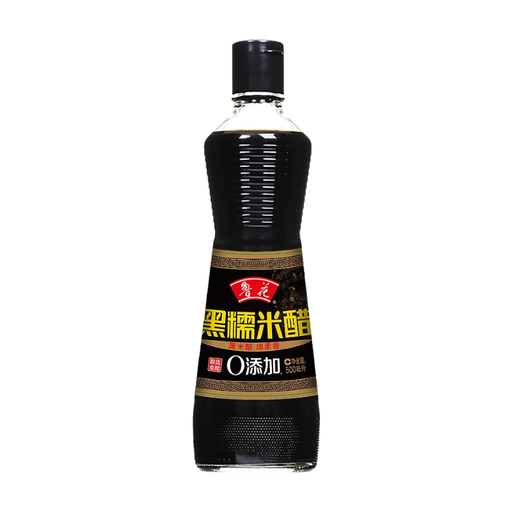
Why This Fits Their Persona: For those seeking the deep, rich flavour of black rice vinegar for authentic Chinese dishes, such as dipping sauces for dumplings or stews.
This product prevents you from using a mild, white rice vinegar when a recipe calls for the complex, malty flavour of black vinegar.
Made from black glutinous rice for a rich, smooth, and aromatic taste. The acidity of ≥4.60g/100mL provides a full-bodied flavour without being harsh.
We have compiled a complete, real-time list of products that fully satisfy these strict selection criteria and UK safety regulations.
In short: rice vinegar is the pure, acidic base liquid made from fermented rice. Sushi vinegar is a ready-to-use mixture of rice vinegar, sugar, and salt, specifically designed for seasoning sushi rice.
No, this is a common point of confusion. Mirin is a sweet Japanese rice wine used to add sweetness and a glossy sheen to dishes, such as in teriyaki sauce. Rice vinegar is acidic and used to add a fresh, sour note to dishes. They have different functions in the kitchen and are not direct substitutes for each other.
Rice vinegar has a long shelf life, even after opening. Store the bottle tightly sealed in a cool, dark place, like a kitchen cupboard. Refrigeration is usually not necessary. Due to its high acidity, the product is naturally well-preserved. To be safe, always consult the storage advice on the packaging.
