
Vandaag of morgen in huis

Kwaliteit gegarandeerd

Welkomstaanbiedingen ontgrendelen: GRATIS bezorging | Tot 80% korting | Gratis 30 dagen JoyPlus-proefperiode
Download de app
Whether you're planning a K-drama marathon or want to surprise your friends with something new, soju has become a popular choice in the Netherlands. But with its growing popularity comes increasing confusion. Not every green bottle is the same, and the wrong choice can lead to a disappointing experience. As a Joybuy Product Recommendation Officer, I'll help you cut through the marketing hype and find the right bottle for your moment.
Before you go online to buy soju, here are a few common pitfalls to watch out for:
To avoid a bad purchase, it's helpful to pay attention to a few specifications. These aren't complicated details, but simple characteristics that determine if a bottle is right for you.
The alcohol percentage is a clear indicator of what to expect.
The taste depends heavily on the ingredients. Classic soju is made from things like sweet potato, barley, or rice, which gives it a clean, neutral flavour.
With fruit soju, it's worth checking if fruit juice concentrate is used instead of just "flavourings." This often leads to a more natural taste. For a completely different experience, there's makgeolli, one of the oldest Korean beverages. It's creamy, light, and often a surprise hit at parties.
This is a crucial distinction. Soju and makgeolli are meant for drinking. If a recipe calls for "rice wine," it usually means a cooking wine. Chinese cooking wine, such as Shaoxing wine, is salty and spiced and absolutely not meant to be drunk from a glass. It's an essential ingredient for adding depth and authenticity to Asian dishes, but a poor choice for a social drink.
To help you choose, we've highlighted a few products that suit different preferences and situations.
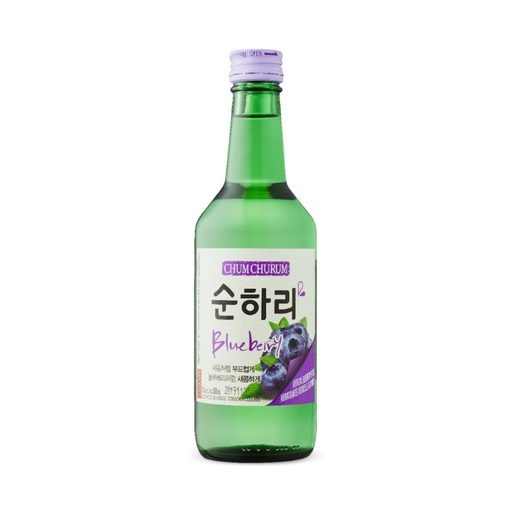
Why This Fits Their Persona: Perfect for those whose curiosity was sparked by Korean series. This soju is approachable, fruity, and at 12% alcohol, not too overpowering. It's an ideal entry point into the world of Korean beverages.
According to the manufacturer, this soju uses blueberry flavouring combined with other ingredients for a balanced taste, which reduces the chance of a chemical aftertaste. The clear 12% alcohol content prevents surprises.
Smooth, sweet blueberry flavour that works well when served ice-cold. The 360 ml bottle is ideal for sharing or enjoying alone.
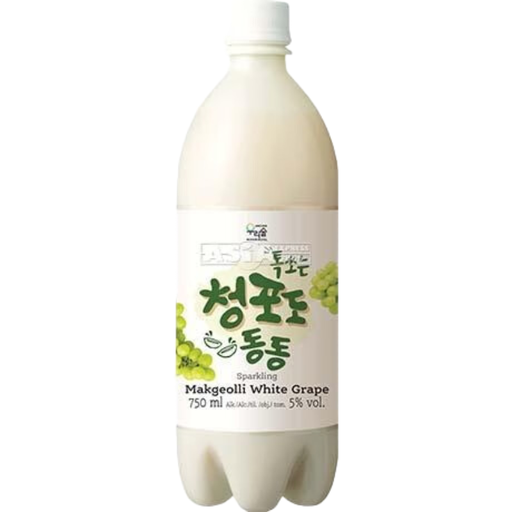
Why This Fits Their Persona: Something a little different for an evening with friends. This makgeolli is lightly sparkling, creamy, and refreshing. At 5% alcohol, it's an approachable choice for a group, even for those who don't normally drink spirits.
This product avoids the soju confusion: it is clearly a makgeolli. Its creamy texture and low alcohol content make it a completely different type of drink, ideal for those looking for something lighter and more unique.
A unique combination of traditional rice wine with the sweet taste of white grape. According to the product information, it is rich in amino acids and vitamin B.
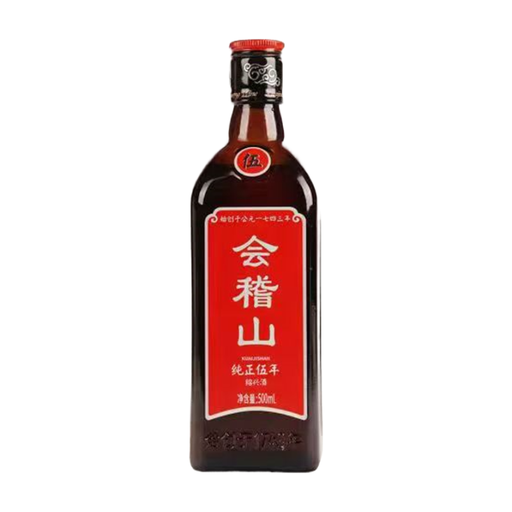
Why This Fits Their Persona: For those who want to recreate the authentic taste of Chinese dishes at home. This aged Shaoxing wine is an essential ingredient for marinades, stews, and sauces, and will elevate your cooking.
This is unmistakably a Chinese cooking wine, not a beverage for consumption. This prevents the classic mistake of buying a drink that's unsuitable for your recipe, or worse, drinking a salty cooking wine.
Five years aged for a complex, rich flavour. Brewed with water from Jianhu Lake, a hallmark of authentic, superior-quality Shaoxing wine.
The most traditional way is to drink it neat and ice-cold from small glasses, often alongside Korean dishes. Fruit soju is almost always drunk this way. Classic soju is also often mixed, for example with beer (a mix called somaek) or with soft drinks.
They are two completely different Korean beverages. Soju is a clear, distilled spirit with a relatively high alcohol content (12-25%), similar to vodka. Makgeolli is a cloudy, unfiltered, fermented rice wine. It is milky, slightly sweet and sour, sparkling, and has a much lower alcohol content (usually 5-8%).
Generally, no. Most soju popular in the Netherlands has an alcohol content between 12% and 20%. Vodka typically has an alcohol content of around 40%. Classic soju can be stronger, but it is rarely as strong as standard vodka.
