
Vandaag of morgen in huis

Kwaliteit gegarandeerd

Welkomstaanbiedingen ontgrendelen: GRATIS bezorging | Tot 80% korting | Gratis 30 dagen JoyPlus-proefperiode
Download de app
A Chinese chef's knife looks impressive. Its large, rectangular blade radiates power and versatility. Many home cooks and even professional chefs buy one, hoping for a jack-of-all-trades. The reality is often different. Without the right knowledge, you can end up with a knife that becomes dull, chips, or is simply awkward to use after just a few months.
Before you invest in a new Asian chef's knife, it's crucial to recognise two common pitfalls:
This guide will help you make the right choices based on factual specifications, ensuring you find a Chinese chef's knife that is a true asset to your kitchen.
To avoid a bad purchase, focus on the specifications that truly matter. These are the non-negotiable factors that determine your knife's performance and durability.
The most important choice you'll make is the blade type. This depends entirely on what you plan to use the knife for.
The material and build of the knife determine its balance, sharpness, and lifespan.
Below are some popular choices, matched with specific user profiles. This will help you find a model that aligns with your cooking style and needs.
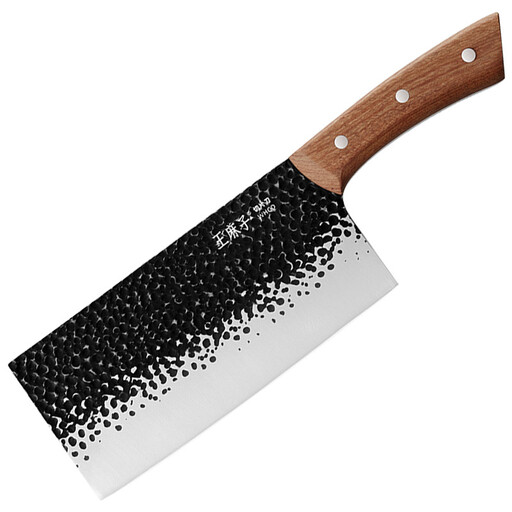
Why This Fits Their Persona: This is the perfect starting point. It's a classic Chinese slicing knife, designed for everyday tasks: cutting vegetables, crushing garlic, and filleting meat or fish. It's not too heavy, making it comfortable for extended use.
This knife is clearly a slicer. It's light and sharp, and won't tempt you into using it for heavy chopping. This prevents damage to the blade.
Versatile for daily slicing tasks. The wide blade is useful for scooping up ingredients.
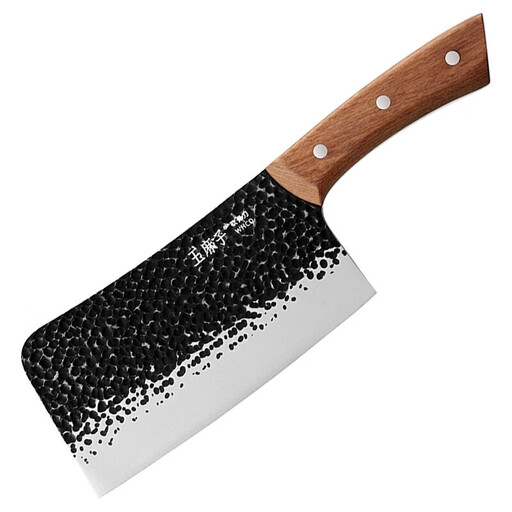
Why This Fits Their Persona: For the cook who regularly processes spare ribs, whole chickens, or other bone-in meats. This is a true meat cleaver. Its substantial weight and thick spine are designed to power through bone and cartilage without taking damage.
This is a specialised chopper. It avoids the pitfall of using an unsuitable slicing knife for heavy-duty tasks, which is the most common cause of damage.
Robust and heavy, designed for chopping bones. The blade's durability is geared towards impact.
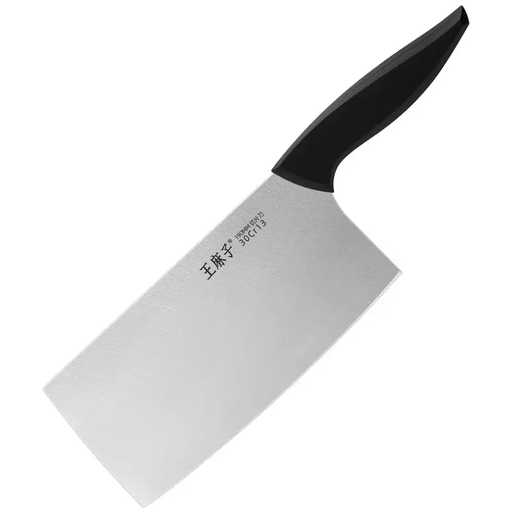
Why This Fits Their Persona: For the cook who values finesse and control. This knife from the Shenmo series features a high-quality carbon steel blade and a full tang construction for perfect balance. The Pakkawood handle provides a comfortable and secure grip for creating paper-thin slices.
This knife focuses on balance and sharpness, avoiding the pitfall of a clumsy, poorly balanced knife. The full tang construction guarantees control and durability.
Exceptional sharpness for precision slicing. Ergonomic and balanced design for long-term comfort.
We have compiled a complete, up-to-date list of products that fully meet these strict selection criteria and Dutch safety regulations.
While both knives are versatile, the main difference is their shape and weight. A Chinese chef's knife is wider, heavier, and rectangular, making it ideal for slicing, crushing, and scooping. A santoku is lighter, has a rounded "sheepsfoot" tip, and is more focused on precise slicing, dicing, and mincing with a different cutting technique.
Maintenance depends on the steel. Stainless steel knives, like most WANGMAZI models, are relatively low-maintenance. Wash them by hand (never in the dishwasher, as this dulls any knife) and dry them immediately to prevent spots. Sharpen the knife regularly with a honing steel or a whetstone to keep the edge sharp.
A Chinese slicing knife is extremely versatile for most daily tasks: vegetables, fruits, herbs, and boneless meat. However, it is unsuitable for chopping bones, cutting frozen food, or opening cans. For those tasks, use a dedicated meat cleaver or other appropriate tool.
