
Vandaag of morgen in huis

Kwaliteit gegarandeerd

Welkomstaanbiedingen ontgrendelen: GRATIS bezorging | Tot 80% korting | Gratis 30 dagen JoyPlus-proefperiode
Download de app
A quality chef's knife is arguably the most important tool in your kitchen. It not only makes meal prep faster but also safer and more enjoyable. However, the search for the perfect knife can be overwhelming. With so many different types, materials, and brands, it's hard to determine which knife truly suits your cooking style.
This article is designed to be a practical guide. We'll explain what to look for and provide concrete recommendations for 2026, so you can make an informed decision that fits your needs and budget.
Before we look at the products, here are a few key points to help you make your choice.
The two most popular styles are the classic European chef's knife and the Japanese santoku knife.
The blade material determines its sharpness, durability, and maintenance. Stainless steel is the most common choice for most kitchens. A stainless steel chef's knife offers a great balance: it's rust-resistant, relatively easy to sharpen, and highly durable. Brands like Wüsthof and Victorinox are known for their high-quality steel alloys that ensure a long-lasting sharp kitchen knife.
For beginner cooks, a chef's knife set can be a great starting point. It provides you with the basics right away, such as a chef's knife and a smaller paring knife. For the more experienced home cook, it's often better to invest in a single, high-quality professional chef's knife that feels perfect in your hand, and then supplement it with other specialised knives later on.
Based on specifications, material, and intended use, we've compiled a few interesting options for you.
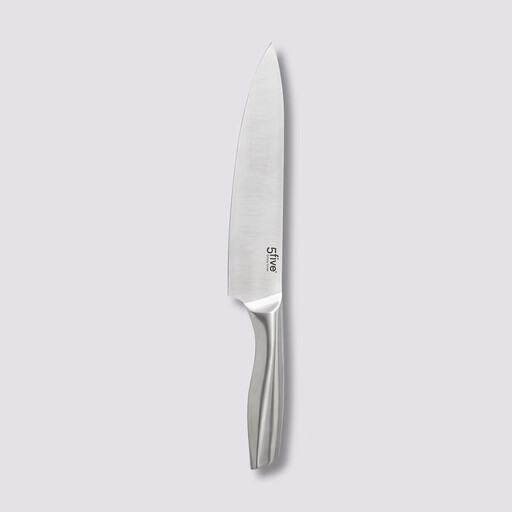
Why It Stands Out: This knife is notable for its seamless design. Both the blade and the handle are made of stainless steel, creating a sleek look and ensuring a hygienic tool.
Pros:
Who It's For: This knife is a practical choice for the home cook looking for a no-nonsense, durable, and low-maintenance chef's knife for daily use.
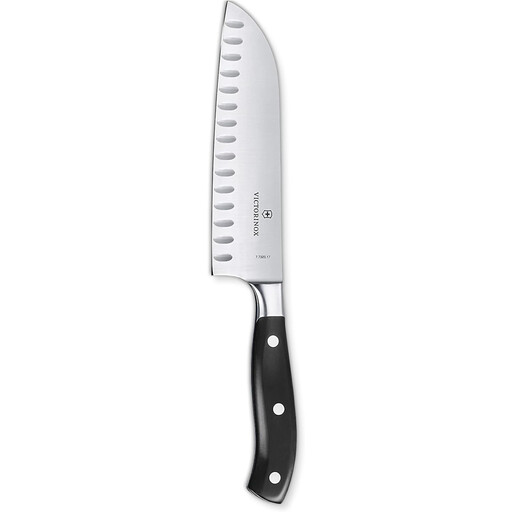
Why It Stands Out:Victorinox is renowned for its Swiss precision. This santoku knife features a hollow-edge blade with indentations that create air pockets, allowing sticky foods like fish or potatoes to release more easily.
Pros:
Who It's For: Ideal for the cooking enthusiast who values precision. If you frequently slice vegetables, fish, or meat into fine pieces, this santoku knife is a valuable addition to your kitchen arsenal.
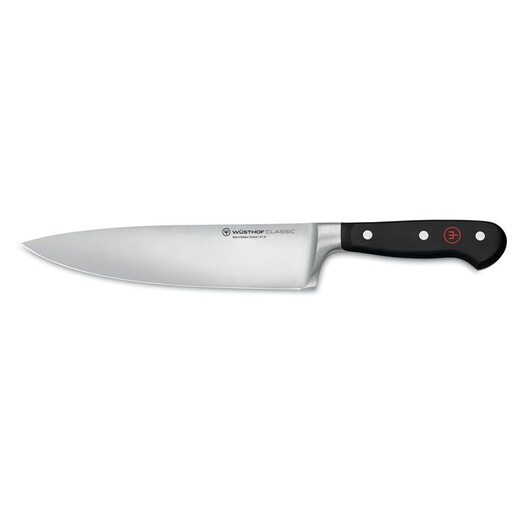
Why It Stands Out: This set from Wüsthof, made in Solingen, Germany, combines a 20 cm professional chef's knife with a handy 9 cm paring knife. The classic triple-rivet handle represents a proven, comfortable, and balanced design.
Pros:
Who It's For: This chef's knife set is perfect for serious home cooks who want to invest in long-term quality, or for anyone setting up a new kitchen and wanting to build a reliable foundation from the start.
These recommendations are a starting point to help guide your choice. However, every cook has unique preferences for weight, balance, and handle grip. If these specific models don't quite match what you're looking for, many more options are available.
Explore our full collection of stainless steel knives to discover more styles and brands.
The main difference lies in the blade shape and cutting technique. A chef's knife has a curved blade for a rocking motion. A santoku knife has a straighter blade and is designed for a more downward chopping motion, which is ideal for making thin, precise slices.
A sharp kitchen knife is safer than a dull one. Regular honing with a honing steel keeps the edge straight and sharp. This is maintenance. When the knife becomes truly dull, it needs to be sharpened with a knife sharpener or a whetstone. It's also advisable to hand-wash your knife, even if it's dishwasher-safe, to preserve its sharpness longer.
A professional chef's knife from a reputable brand is often made from higher-quality steel, which means it stays sharp longer (edge retention) and is more durable. The balance and ergonomics are also typically superior, enhancing cutting comfort. For someone who cooks regularly, such an investment can certainly pay off in the long run in terms of ease of use and longevity.
