
Vandaag of morgen in huis

Kwaliteit gegarandeerd

Welkomstaanbiedingen ontgrendelen: GRATIS bezorging | Tot 80% korting | Gratis 30 dagen JoyPlus-proefperiode
Download de app
A cleaver might seem like an intimidating tool, reserved for butchers and professional chefs. However, it's a surprisingly versatile knife that deserves a permanent spot in many kitchens. But not all cleavers are created equal. Some are designed for paper-thin slicing of vegetables, while others can effortlessly cleave through bone.
Choosing the right model can be confusing. What should you look for? Which type suits your cooking style? As a Joybuy Product Recommendation Officer, I'm here to guide you. In this guide, we'll explain the differences and provide practical tips, so you can make an informed choice that fits your culinary needs.
Before you make a decision, it's wise to consider a few key characteristics. These will determine what the knife is best suited for.
The most important question is: what do you plan to do with it? There are roughly three categories:
The blade material is crucial for performance and maintenance. A stainless steel cleaver is popular because it is low-maintenance and highly resistant to rust. High-carbon steel knives are known for their extreme sharpness and ability to hold an edge for a long time, but they require a bit more care to prevent rust.
The weight is directly linked to its function. A light knife (around 300 grams) is agile and ideal for precision slicing. A heavy knife (500 grams or more) uses its own weight to powerfully chop through bones and hard materials.
Based on specifications and intended use, we have curated a selection of popular choices for you.
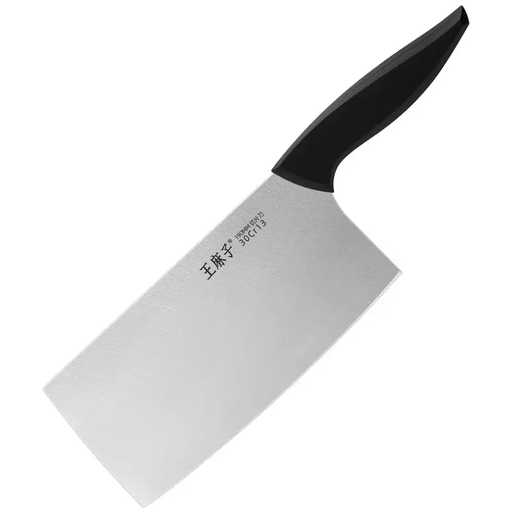
Why it stands out: This is a classic example of a Chinese cleaver, designed for precision. The high-quality carbon steel blade is made for creating paper-thin slices. The construction is full tang, meaning the steel from the blade extends all the way through the handle. This ensures excellent balance and control.
Key Features:
Who is it for? For the home cook or chef who appreciates the art of fine slicing and seeks a reliable, razor-sharp knife for daily prep work.
View the WANGMAZI Slicing Knife Cleaver
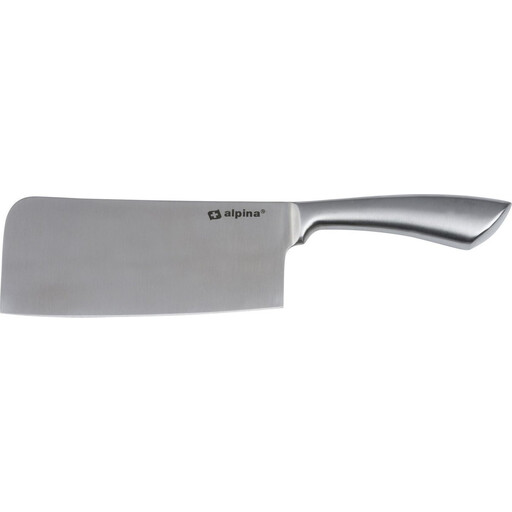
Why it stands out: This cleaver from Alpina is a practical all-rounder for the modern kitchen. It is made entirely of stainless steel, which not only gives the knife a sleek look but also makes it very easy to maintain. With a weight of 300 grams and a blade length of 18 cm, it's a versatile meat cleaver for general chopping and slicing tasks.
Key Features:
Who is it for? For the home cook looking for a functional, no-nonsense cleaver for daily chopping of meat and vegetables, without worrying about complex maintenance.
View the Alpina Kitchen Knife Chopper
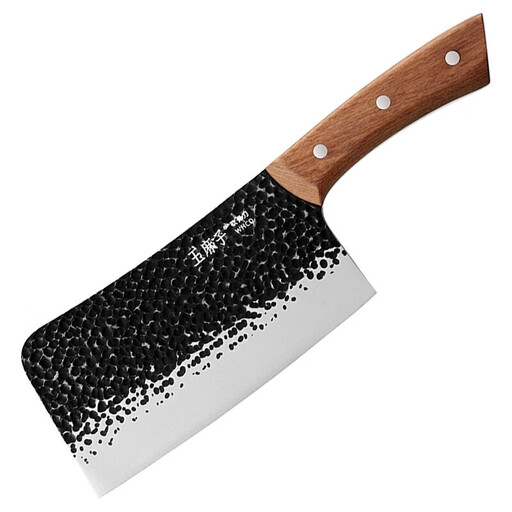
Why it stands out: This is a serious butcher's cleaver for heavy-duty work. The WANGMAZI Bone Chopper is specifically designed for power and impact. The robust, thick spine of the blade and its considerable weight allow you to cleave through bones, ribs, and hard shells (like pumpkin or coconut) with controlled strikes, without splintering the surrounding meat.
Key Features:
Who is it for? For the serious home cook, (semi-)professional chef, or hobby butcher who regularly works with whole, bone-in cuts of meat and needs a tool built for pure power.
View the WANGMAZI Bone Chopper
If the perfect knife for your task isn't here, or if you're curious about other types of axes and knives, no problem. We have a broader assortment to choose from. Feel free to browse our category for more options.
Discover more in the Axe category
The main difference is the thickness and weight of the blade. A Chinese cleaver is thin, light, and intended for precise slicing of vegetables and boneless meat. A meat cleaver (or heavier cleaver) is thicker, heavier, and designed to forcefully chop through bones and joints. Using a Chinese cleaver on bones can damage the blade.
No, absolutely not. Only cleavers specifically designated as a 'bone chopper', 'butcher's cleaver', or a similar term are suitable for chopping bones. These have a thicker, softer, and heavier blade that can absorb the impact. A thinner slicing cleaver will likely chip or even break.
A stainless steel cleaver is relatively low-maintenance. Although some, like the Alpina, are listed as dishwasher-safe by the manufacturer, hand washing is recommended for most quality knives to maintain their sharpness. Dry the knife thoroughly immediately after washing to prevent spots. Sharpen the knife regularly with a honing steel or knife sharpener to keep it in top condition.
