
Vandaag of morgen in huis

Kwaliteit gegarandeerd

Welkomstaanbiedingen ontgrendelen: GRATIS bezorging | Tot 80% korting | Gratis 30 dagen JoyPlus-proefperiode
Download de app
Sausage. Whether it's a classic smoked sausage with a traditional mash pot, a frankfurter in a bun for lunch, or a charcuterie board laden with dry-cured sausage and salami for drinks, it's a staple of culinary culture. But ordering sausages online can sometimes feel like a lottery. The packaging makes grand promises, but the contents can be a letdown. As a Product Recommendation Officer at Joybuy, I'm here to help you make the right choices, without the marketing jargon.
Before you fill your digital shopping cart, it's wise to consider a few common pitfalls:
To ensure you get exactly what you're looking for, there are a few specifications you should always check. These aren't opinions, but facts found on the packaging or product page.
The most important ingredient in a sausage is (usually) meat. Always check the meat content. A higher percentage typically means a richer flavour and a firmer texture. The type of meat is just as important:
The ingredients list tells the whole story. Pay attention to the following:
The preparation method determines the sausage's texture and its ideal use.
To get you started, we've highlighted a few products that suit different needs and moments.
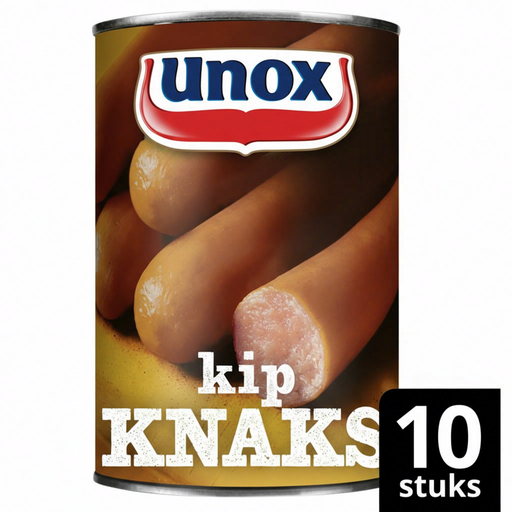
Why This Fits Their Persona: Perfect for a quick lunch or as a snack. These frankfurters are made from chicken, offering a lighter alternative to the traditional version. A trusted choice for families.
The packaging is clear about the meat's origin (free-range chicken) and carries the Better Life (Beter Leven) 1-star seal. You know what you're buying, without vague "artisanal" claims.
Quick to heat in a pan or microwave. Made with the unique Unox seasoning. Contains no added sugars.
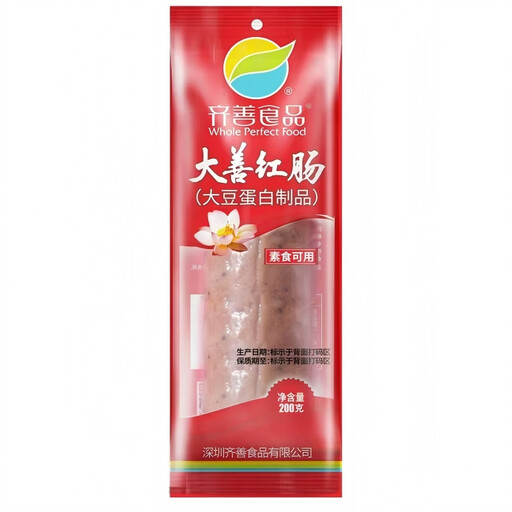
Why This Fits Their Persona: A versatile, 100% plant-based sausage for those who don't eat meat or simply want to try something new. Ready to eat, but also suitable for stir-fries, soups, or on a sandwich.
This product avoids the pitfall of being a disappointing meat substitute. It's a product with its own character, based on soy protein and konjac powder, and isn't desperately trying to imitate a smoked sausage.
Source of plant-based protein (12.1 g per 100 g) and has an authentic, wood-smoked flavour. Free from preservatives.
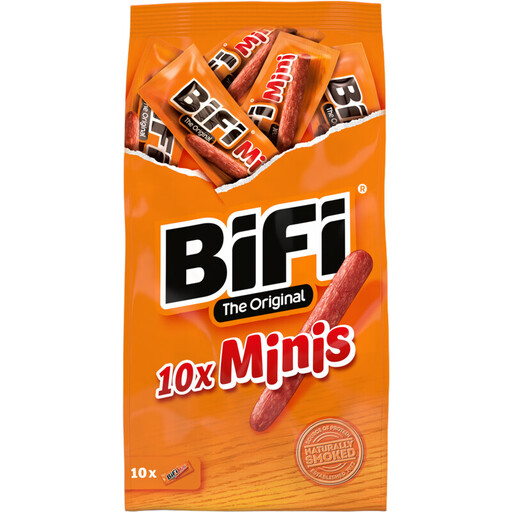
Why This Fits Their Persona: The classic on-the-go snack, perfect for a lunchbox or as an easy appetiser. These mini salamis are individually wrapped, making them convenient to share or take with you.
Bifi is transparent: this is a smoked, dry-cured sausage made from pork and beef. The product contains no added flavour enhancers or artificial aromas, giving you a pure meat snack.
High meat content: 160 grams of pork and beef are used to make 100 grams of Bifi. A source of protein and shelf-stable outside the refrigerator.
From spicy Asian sausages to classic German bockwurst, there's a world of flavours to discover. Browse our full, up-to-date selection.
The main difference lies in the preparation and texture. A smoked sausage is cooked and smoked, making it soft and juicy. It's usually eaten warm. A dry-cured sausage, like salami, is air-dried. This process removes moisture, concentrating the flavour and making the texture much firmer. Dry-cured sausage is typically eaten cold, in slices.
For most sausages, the rule is to refrigerate after opening and consume within a few days. Dry-cured sausages are naturally more shelf-stable, but after being cut, they are best stored in a cool, dry place (like a cellar or pantry), possibly wrapped in a clean kitchen towel. Always refrigerate vacuum-packed sausages after opening. To be safe, always check the storage instructions on the packaging.
Whether a vegetarian sausage is a conscious choice depends on its ingredients. They contain no cholesterol and often have less saturated fat than pork sausages. They are a good source of plant-based protein. However, pay attention to the salt and fat content, which can vary between products. Just as with meat sausages, it's wise to consult the nutritional information table to see if the product fits into your diet.
