
Vandaag of morgen in huis

Kwaliteit gegarandeerd

Welkomstaanbiedingen ontgrendelen: GRATIS bezorging | Tot 80% korting | Gratis 30 dagen JoyPlus-proefperiode
Download de app
Buying sausage seems simple—until you're standing in the aisle or browsing online. The shelves are packed with options, from traditional smoked sausage for a hearty winter meal to exotic Asian varieties for an adventurous dish. But how can you be sure you're making a good purchase? Many packages use vague terms that obscure more than they clarify. This guide will help you ask the right questions and avoid the common pitfalls, so you can find exactly what you're looking for.
Before you put a sausage in your shopping basket, it's wise to be aware of a few common marketing tricks and product characteristics that can lead to disappointment.
To avoid a bad purchase, you can focus on a few concrete specifications. These provide a clearer picture of quality than marketing claims.
Meat Type and Percentage: The foundation of any good sausage is the meat. Check which type of meat is used (pork, beef, chicken) and its percentage. For a dry sausage, it's normal for more than 100 grams of meat to be needed for 100 grams of the final product, as the sausage loses moisture during the drying process. A Unox smoked sausage often specifies the percentage of pork and whether it meets a quality standard, such as the 'Beter Leven' (Better Life) certification.
Additives and Spices: Look beyond just the meat. The ingredients list details all additives, such as stabilisers (e.g., E451, E452), antioxidants (E301), and preservatives (E250, sodium nitrite). These are necessary for shelf life and safety, but the amount and type can vary. The spices are also decisive. A Gelderland-style smoked sausage has a different spice blend than a spicy Sichuan sausage.
Origin and Smoking Process: The flavour is heavily influenced by the origin and production process. When looking to buy a traditional smoked sausage, you're often seeking a product smoked over beechwood, which imparts a distinctive taste. Asian sausage, on the other hand, is often air-dried and marinated in soy sauce or rice wine, resulting in a completely different, often sweeter, flavour profile.
To help you with your choice, we've highlighted a few products and matched them to different needs and user profiles.
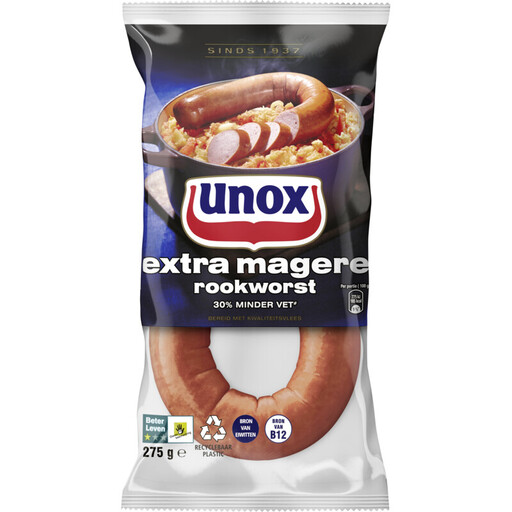
Why This Fits Their Persona: A reliable choice for a classic Dutch dish. This lean version is ideal for those watching their fat intake without compromising on the familiar flavour that pairs perfectly with kale or sauerkraut stamppot.
The packaging is clear about its specifications: "30% less fat" is a concrete claim. The use of pork with the 'Beter Leven' (Better Life) 1-star certification provides an objective indication of its origin.
Source of protein (15 g per 100 g) and vitamin B12. A more conscious choice within the traditional segment.
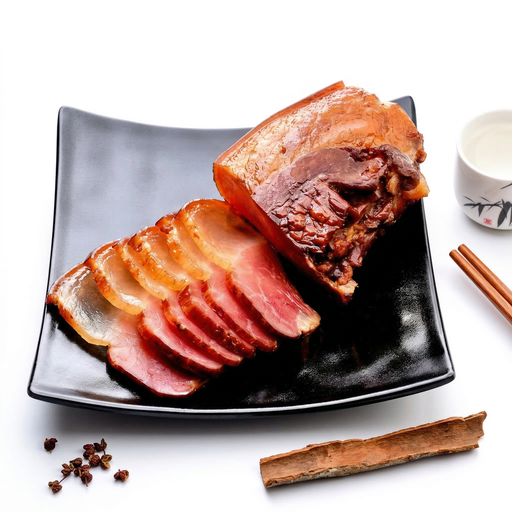
Why This Fits Their Persona: Perfect for those who want to create authentic Asian dishes. This type of Chinese dried sausage (Lap Cheong) adds a unique sweet-and-salty flavour to fried rice, stir-fries, or sticky rice.
The product information provides clear instructions: "For cooking. Can be steamed, stir-fried, or cooked with rice." This avoids the pitfall of improper preparation and ensures the correct flavour experience.
Authentic flavour from a marinade of Chinese spirits and soy sauce. Versatile for use in various Asian recipes.
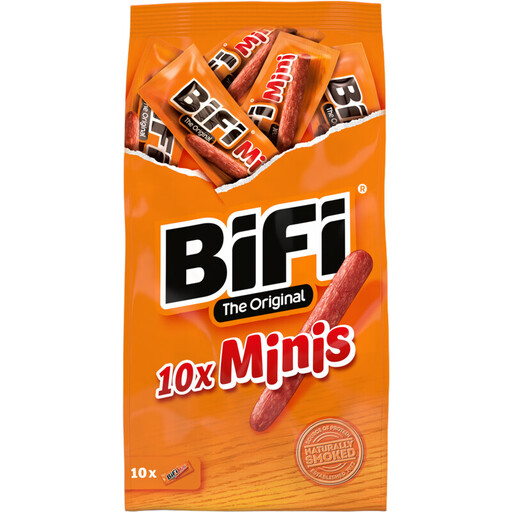
Why This Fits Their Persona: These snack sausages are ideal for a quick bite. The individual packaging makes them easy to take to work, school, or on the road. A classic that never disappoints.
The product information is transparent: "without added flavour enhancers, artificial flavours, or colours." Furthermore, the high meat content is emphasized: "Prepared with 160g of pork and beef per 100g of Bifi".
Source of protein for a satisfying snack. Convenient, individually wrapped portions for maximum freshness and ease.
Whether you're looking for an online butcher for your weekly groceries or a specific sausage for a recipe, a wide range is available. Browse the full selection to discover more choices.
An opened dry sausage is best stored in a cool, dry, and dark place, such as a cellar or pantry. Wrap the cut end in plastic wrap or a beeswax wrap. An opened vacuum-packed smoked sausage should be kept in the refrigerator and typically consumed within a few days. Always read the storage instructions on the packaging.
The main difference lies in the composition and fat content. A Gelderland-style smoked sausage, like one from Butcher's House, is often coarser in texture and richer in flavour. A lean smoked sausage, such as the version from Unox, contains a lower percentage of fat according to its specifications, making it a lighter option.
No, most types of Asian sausage like Cantonese or Sichuan dried sausage are not meant to be eaten raw. They are preserved (dried) but must be heated before consumption. The recommended methods are steaming, boiling, or pan-frying as part of a dish. This softens the sausage and brings out its flavours.
