
Vandaag of morgen in huis

Kwaliteit gegarandeerd

Welkomstaanbiedingen ontgrendelen: GRATIS bezorging | Tot 80% korting | Gratis 30 dagen JoyPlus-proefperiode
Download de app
If you want to buy sausages online, you’ll soon come across dozens of varieties, from frankfurters and hot dogs to bockwurst, fresh sausages, chicken sausages, beef sausages and dry-cured sausages. The differences aren’t just about flavour. The type of meat, size, cooking method, shelf life and allergens all determine whether a product is right for your meal, lunch, barbecue or drinks gathering.
Words such as “lean”, “traditional”, “artisan” or “extra meaty” don’t automatically give you the full picture. Always check the meat content, the types of meat used and the nutritional values per 100 grams.
For example, a chicken sausage may contain mechanically separated chicken, starch or other binding agents as well as chicken meat. That isn’t necessarily a problem, but it’s useful to know if you’re specifically looking for chicken sausages. It’s also worth checking whether beef is the only type of meat in a beef sausage. Egeturk Babacan Sosis, for example, states that it contains 100% beef, while other products may contain a combination of meat and collagen.
A 550 or 900-gram pack may look like a good choice for a family or party, but consider how much you’ll need per person and how long the sausages will keep once opened. The 400-gram cocktail sausages are handy for a drinks gathering, while individual frankfurters or hot dogs may be more convenient for rolls and lunches.
So compare the price per 100 grams, the number of sausages and the portion size you need. That way, you’re less likely to leave some of the pack unused.
Some sausages are ready to eat and only need warming. Others need to be heated through or fried. A product may be suitable for cooking in a pan, on a grill, in a microwave or in hot water, but cooking times vary depending on the type.
Read the cooking instructions before you buy. With raw or cook-before-eating sausages, it’s especially important to follow the instructions on the packaging and make sure the product is heated through.
Check the ingredients list, which is shown in descending order by weight. Is pork, chicken or beef listed first? Check the stated percentage too. Here are a few examples from the range:
A higher meat content doesn’t tell you everything about flavour, but it does help you compare products objectively.
Sausages are often relatively high in salt. So compare salt, fat and saturated fat per 100 grams, rather than relying on the front of the pack. A product with “extra lean” in its name can still contain a significant amount of fat.
For example, the product information for Unox Extra Lean Smoked Sausages states that they contain 13 grams of fat, 15 grams of protein and 1.8 grams of salt per 100 grams. These figures are a useful point of comparison, but always check the packaging, as ingredients can change.
Check the allergen information, even if you’ve bought the same brand before. Products may contain milk, soya, celery, mustard, gluten or other allergens. For example, Unox Beef Hot Dogs list milk, soya, celery, mustard and sesame. Stegeman Fuet lists milk and may contain traces of nuts.
Also look out for the differences between:
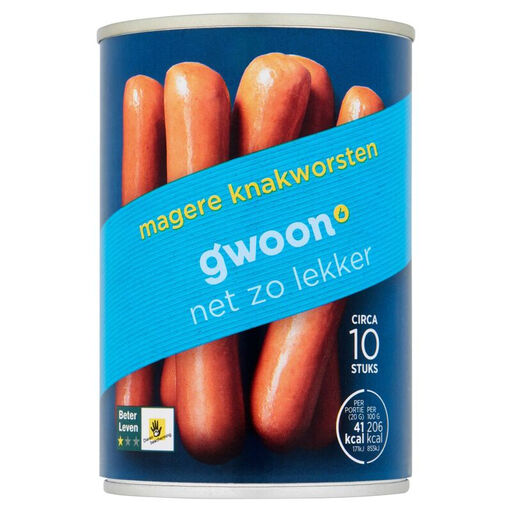
Why it suits this shopper: A versatile pack for rolls, a quick lunch or an easy snack.
The product information lists chicken and pork, as well as 12.7 grams of protein and 1.525 grams of salt per 100 grams. You can check the ingredients before you buy.
400 grams, suitable for several occasions; according to the label, store in a cool, dry place.
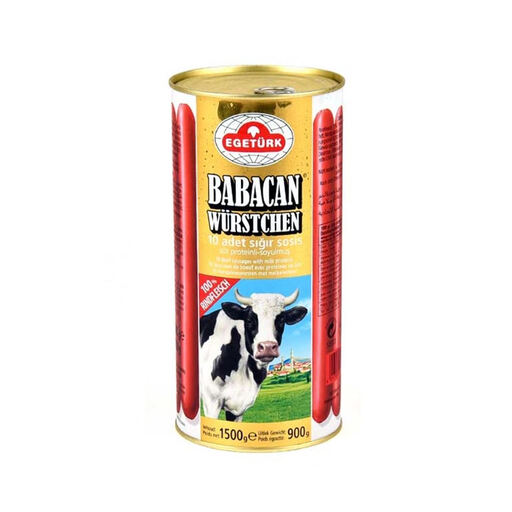
Why it suits this shopper: A large pack for fans of Turkish beef sausage, whether for breakfast, lunch or a hot meal.
The product description states that it contains 100% beef and gives nutritional values per 100 grams. This makes the flavour and type of meat clearer than a general sausage name would.
900 grams; according to the product information, soak in hot water for 10 minutes before serving.
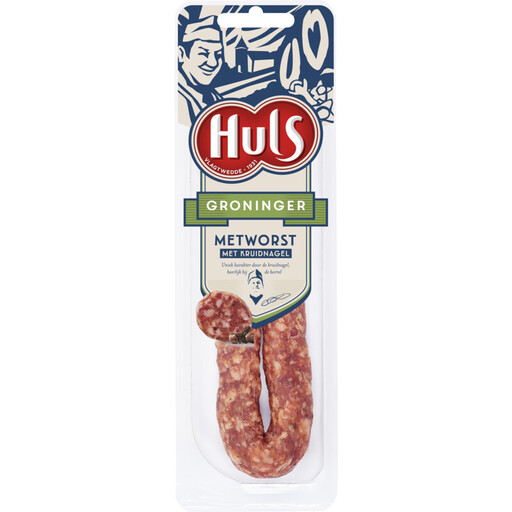
Why it suits this shopper: A good choice if you’re looking for a dry-cured sausage for a sharing platter, a snack on the go or a savoury bite that needs no preparation.
This is an individually wrapped 110-gram dry-cured sausage. The product description lists cloves as part of the spice mix, giving you a good idea of the flavour before you buy.
Ready to serve; according to the product information, the sausage contains none of the 14 major EU allergens.
We’ve put together a complete, up-to-date list of products that meet these strict selection criteria and the applicable European safety requirements.
Frankfurters and hot dogs are handy because they usually just need warming. You can also use sliced sausage in a sandwich, such as Salland Sliced Sandwich Sausage. Always check whether the pack includes cooking instructions, and note how long the sausages will keep once opened.
The exact shelf life is shown on the packaging. Store unopened products as directed, usually in a cool, dry place away from direct sunlight. Once opened, sausages generally need to be kept in the fridge and used within the stated period. Dry-cured sausages may need to be stored differently from fresh sausages or opened frankfurters.
Frankfurters are usually smaller sausages that can be warmed quickly. Smoked sausage has a distinctive smoky flavour and is often served with mash or split pea soup. Bockwurst is generally larger and served hot with bread, potatoes or a meal. Ingredients and cooking methods vary by brand, so always check the ingredients list and label.
