
Vandaag of morgen in huis

Kwaliteit gegarandeerd

Welkomstaanbiedingen ontgrendelen: GRATIS bezorging | Tot 80% korting | Gratis 30 dagen JoyPlus-proefperiode
Download de app
A dull paring knife that bruises an apple instead of peeling it. A handle that feels uncomfortable after peeling just a few potatoes. These are the minor kitchen frustrations that can seriously spoil the joy of cooking. The market for kitchen knives is vast and filled with marketing promises, making it difficult to find a quality product that does its job without unnecessary frills.
Before you purchase a new paring or fruit knife, it's helpful to know the most common pitfalls. This will prevent you from wasting money on a knife that ends up in the back of a drawer after just a few months.
To avoid a bad purchase, you can focus on a few concrete specifications. These features say more about quality and usability than the marketing on the packaging.
The blade is the heart of the knife. Standard stainless steel is the norm, but there are significant differences in quality. One specification to look for is the type of steel. Brands like Wüsthof and Victorinox often use a high-quality chromium-molybdenum-vanadium steel alloy, such as X50CrMoV15. This type of steel offers a great balance between hardness (which helps it stay sharp longer), flexibility, and rust resistance. A knife made from this material is a more durable choice for anyone who cooks regularly.
Paring knives come in different shapes, each with its own function:
Comfort and control start with the handle. Pay attention to the following points:
Based on these objective criteria, we have selected a number of paring knives that suit different user profiles.
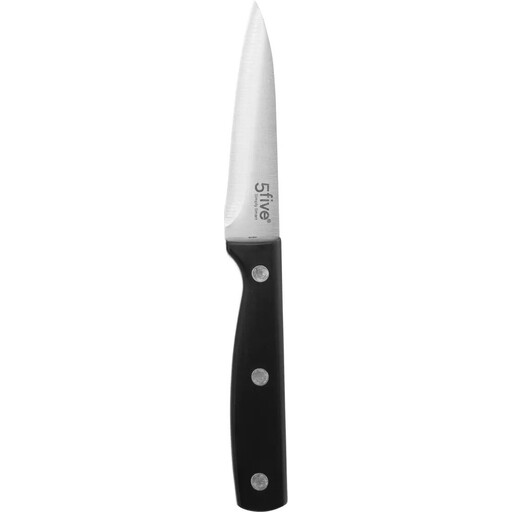
Why This Fits Their Persona: This knife is a straightforward and affordable choice for everyday peeling and cutting tasks. Ideal for anyone looking for a functional, basic model without overspending.
It bypasses the pitfall of over-the-top marketing. This is a simple stainless steel knife with a plastic handle. It does what it promises for a low price.
Dishwasher-safe for easy maintenance and very budget-friendly.
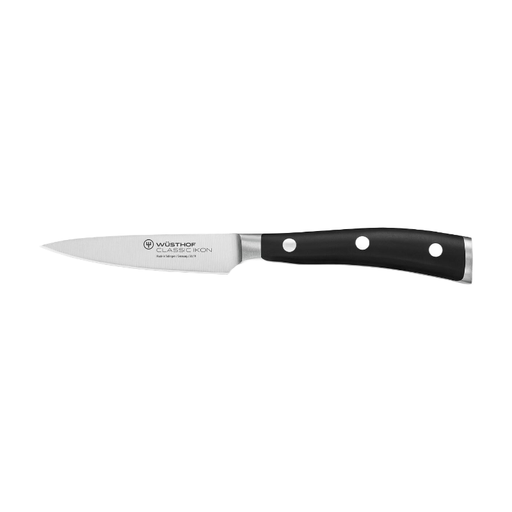
Why This Fits Their Persona: For those who cook often and value quality and durability. This knife is a long-term investment in comfort and performance.
This knife tackles the pitfalls of dullness and discomfort. It's forged from high-quality steel and features an ergonomic POM handle for superior control and durability.
Forged from a single piece of steel for excellent balance and edge retention. The seamless, ergonomic handle offers comfort and hygiene.
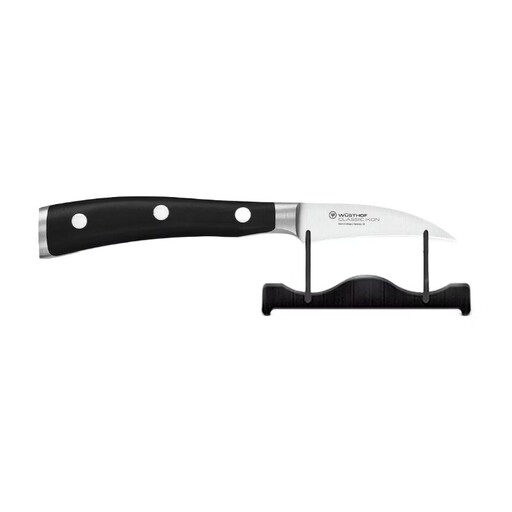
Why This Fits Their Persona: Perfect for the hobby chef who enjoys creating garnishes or wants to peel round fruits and vegetables with maximum precision and minimal waste.
This knife prevents the frustration of using the wrong tool for the job. Its specific curve makes peeling round objects more efficient than with a straight knife.
The 7 cm curved 'bird's beak' blade offers exceptional control for peeling and decorating round produce like apples and potatoes.
The terms are often used interchangeably. Generally, a utility knife is a small, versatile kitchen knife with a straight blade of about 8-10 cm. A paring knife can have either a straight or a curved blade and is specifically intended for peeling. In practice, a good utility knife also functions perfectly as a potato peeling knife and fruit knife.
Even a high-quality knife will dull with use. To extend its lifespan, it's best to follow these steps:
That depends on your usage. For someone who is in the kitchen daily, a more expensive knife from a brand like Wüsthof or Victorinox offers noticeable advantages in comfort, balance, edge retention, and durability. It's more pleasant to use and will last for years. For someone who only peels an apple occasionally, a simpler and cheaper model may be perfectly adequate. The choice depends on your personal needs and budget.
