
Vandaag of morgen in huis

Kwaliteit gegarandeerd

Welkomstaanbiedingen ontgrendelen: GRATIS bezorging | Tot 80% korting | Gratis 30 dagen JoyPlus-proefperiode
Download de app
Whether you are a professional butcher, a chef in a busy kitchen, or a serious home cook who enjoys working with large cuts of meat, one thing is certain: without the right tools, precision work becomes a frustrating task. Dull knives, clumsy shears, or a cleaver that can't get through bone can not only ruin the final result but are also unsafe.
This article is intended as a practical guide. We will highlight several specific tools and provide you with clear, objective information about their materials and design. This will enable you to make an informed decision on the butcher tools that best suit your needs.
Before we look at the products, here are a few key points to help you choose durable and functional tools for meat processing.
The material of the blade determines its sharpness, durability, and maintenance. Stainless steel is a commonly used term, but there are significant differences.
Pay attention to the steel specification; it says a lot about the performance you can expect.
Processing meat for hours demands a comfortable and secure handle. A good grip reduces fatigue and prevents the tool from slipping, especially in wet or greasy conditions. Materials like rosewood not only offer a classic look but also a firm, natural grip. Plastic handles, such as polypropylene (PP), are often lighter and very easy to clean.
A single knife can't do it all. Professional work requires specific tools:
By choosing the right tool, you work more efficiently, safely, and with a better result.
Below is a selection of butcher tools, chosen based on their specifications and intended application.
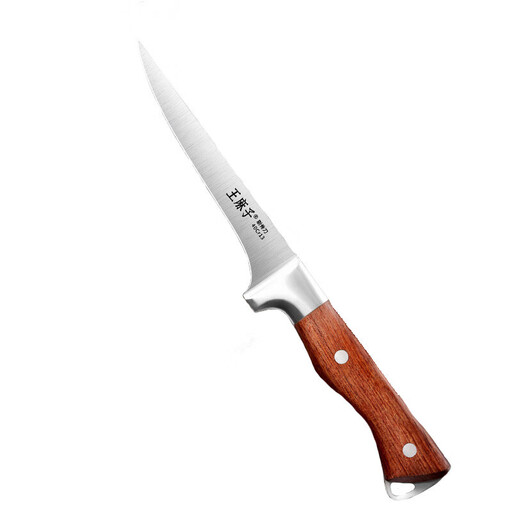
Why It Stands Out This boning knife is designed for precision work. The curved and sharply pointed blade makes it easier to cut close to the bone and efficiently separate meat and skin.
Key Features
Who It's For For the professional or serious home cook looking for a reliable professional boning knife for processing beef, lamb, or pork.
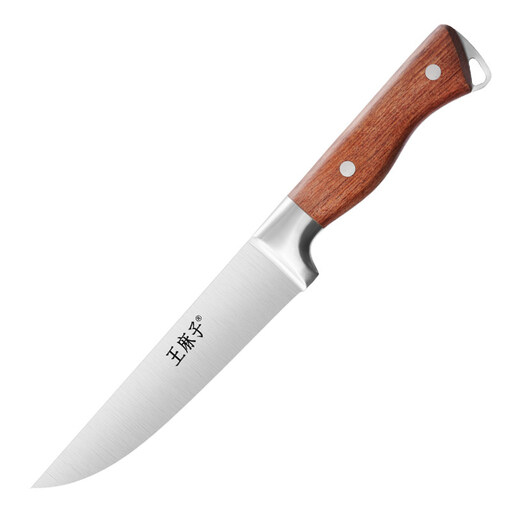
Why It Stands Out This is a heavy and robust butcher's cleaver, designed for heavy-duty work. The weight of the blade helps to chop through bones and thick cuts of meat with minimal effort.
Key Features
Who It's For Ideal for butchers, chefs, and BBQ enthusiasts who regularly process large, bone-in cuts of meat and need a powerful meat axe.
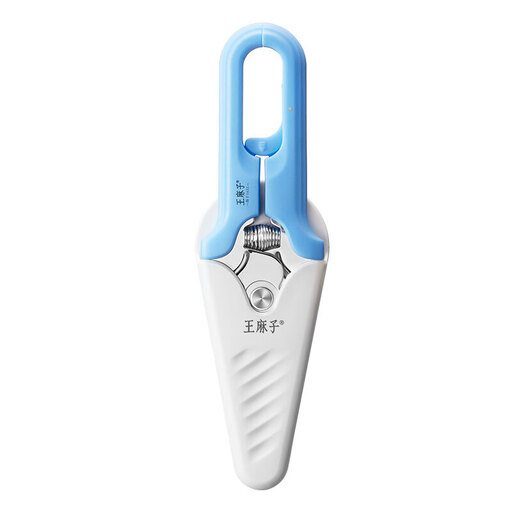
Why It Stands Out These poultry shears are a versatile tool. They are not only powerful enough for cutting chicken or duck bones but also handy for other tasks like scaling fish or peeling shrimp.
Key Features
Who It's For An indispensable BBQ tool and a practical addition to any kitchen. Suitable for anyone who regularly prepares poultry, fish, or shellfish.
This selection covers some core needs, but perhaps you are looking for something else. Consider filleting knives, sausage stuffers, or other professional kitchen knives. For a broader overview of kitchen tools, you can always browse our category.
? Explore our full range of gadgets and tools
What is the difference between a cleaver and a boning knife? A cleaver (or meat axe) is heavy and thick, designed to chop through bones with force. A boning knife is thin, often flexible, and has a sharp point to accurately cut meat away from the bone. They are designed for completely different tasks: brute force versus precision.
What's the best way to maintain my butcher tools? Always wash knives and tools by hand, not in the dishwasher. The high temperatures and aggressive detergents can damage the steel and the handle. Dry them immediately after washing to prevent rust. Keep the knives sharp with a honing steel or a knife sharpener for consistent performance and safety.
Are more expensive butcher tools always better? Not necessarily. The price is often determined by the brand, the steel used, the handle material, and the manufacturing process. Instead, focus on the specifications that are important to you. A knife made of a good quality steel with a comfortable handle that suits your tasks is a better investment than simply choosing the most expensive model.
