
Vandaag of morgen in huis

Kwaliteit gegarandeerd

Welkomstaanbiedingen ontgrendelen: GRATIS bezorging | Tot 80% korting | Gratis 30 dagen JoyPlus-proefperiode
Download de app
A good frying pan is an essential tool in any modern kitchen. In recent years, the ceramic frying pan has grown in popularity, largely because it's often marketed as a healthier alternative. But not every ceramic pan is a wise investment. Many lose their non-stick coating surprisingly quickly, turning your purchase into a source of frustration after just a few months.
As a Joybuy Product Recommendation Officer, I'm here to help you see past the marketing claims. We'll examine the pitfalls that cost you money and the specifications that truly matter, ensuring you choose a pan you'll enjoy for years to come.
Before you purchase a new pan, it's crucial to recognise the common issues. Manufacturers highlight the benefits, but the drawbacks often don't become apparent until it's too late.
To avoid the pitfalls mentioned above, focus on a few verifiable specifications. These determine the quality and durability of your pan.
The foundation of a good pan is its material. A pan made from cast aluminium or with a multi-ply (tri-ply) base is heavier, but it retains and distributes heat far more evenly. This prevents the dreaded hotspots. For an induction frying pan, a thick, magnetic base is essential for efficient performance. Always check that the pan is explicitly suitable for your type of hob.
The most versatile size for most households is a 28 cm frying pan. This allows you to easily prepare a meal for two to four people. Also, pay attention to the handle. A Bakelite handle stays cool during cooking, while a stainless steel handle is often oven-safe. Choose what suits your cooking style, but always ensure the grip is firm and comfortable in your hand.
While most brands claim to offer a pan without PFAS, there is a significant difference in the quality of ceramic coatings. Some manufacturers, like Redchef and SENSARTE, specify the type of coating they use, which can indicate a higher standard. A good coating is not only slick but also more resistant to heat and wear, helping the non-stick pan last longer.
Based on objective product specifications, we have selected a number of pans that suit different user profiles.
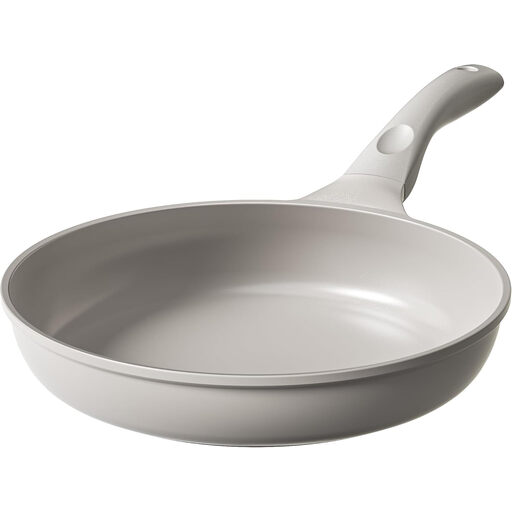
Why This Fits Their Persona: Ideal for those seeking a reliable, safe, and affordable pan for daily use. This pan covers all the basics: PFAS-free, suitable for all hobs including induction, and a practical 28 cm size.
The product information mentions a thickened base for fast, even heat distribution, which reduces the risk of hotspots. The coating is explicitly free of PTFE, PFOA, and PFAS.
Suitable for all hobs, and the non-stick coating makes cleaning easy. The Bakelite handle stays cool during cooking.
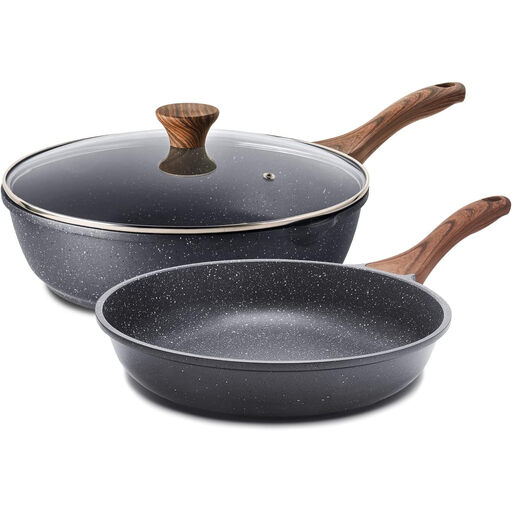
Why This Fits Their Persona: For those who cook daily and need a durable, reliable pan. The cast aluminium construction and Swiss granite coating suggest a longer lifespan and better performance than standard models.
The solid cast aluminium construction resists warping and ensures stable heat distribution. The Swiss ILAG coating addresses the pitfall of a short-lived non-stick layer.
The high-quality magnetic stainless steel base makes the pan highly suitable for induction. The pan is designed for durability and easy maintenance.
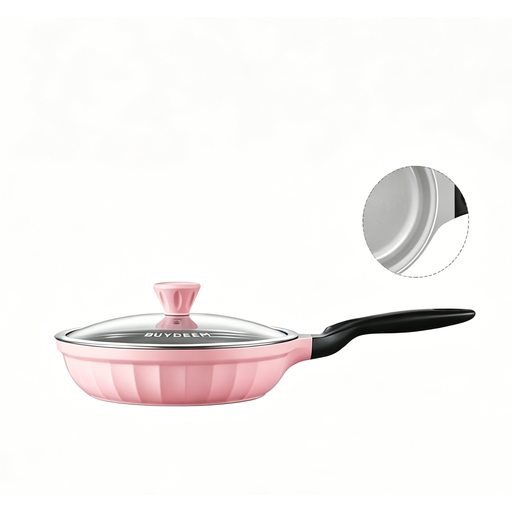
Why This Fits Their Persona: This user places a high value on health and is looking for a pan that can do more than just fry. The explicit mention of a PFAS-, PFOS-, and PFOA-free Swiss coating and the included glass lid make this pan extra versatile.
The cast aluminium construction guarantees fast and uniform heat distribution, which prevents hotspots. The Swiss ceramic coating is specifically advertised as free of harmful chemicals.
Suitable for all hobs. The included glass lid also makes the pan suitable for stewing and simmering, increasing its versatility in the kitchen.
We have compiled a complete, up-to-date list of products that fully meet these strict selection criteria and EU safety standards.
The lifespan depends heavily on quality, use, and maintenance. A high-quality pan can last for several years with careful use (no metal utensils, hand-washing, no extreme temperature shocks). Cheaper models often lose their non-stick coating within a year.
Although many manufacturers state their pans are dishwasher-safe, hand-washing is almost always recommended. Harsh dishwasher detergents and high temperatures can degrade the ceramic coating over time. To maximise the lifespan of your non-stick pan, washing with a soft sponge and warm water is the best method.
This can have several causes. Sometimes, invisible protein or oil residues remain after cleaning, which then burn onto the surface during the next use. Overheating can permanently damage the coating. It could also simply mean that the non-stick layer is worn out. For best results, it's often recommended to cook on medium-high heat and always use a small amount of oil or butter.
