
Vandaag of morgen in huis

Kwaliteit gegarandeerd

Welkomstaanbiedingen ontgrendelen: GRATIS bezorging | Tot 80% korting | Gratis 30 dagen JoyPlus-proefperiode
Download de app
Zero-sugar soft drinks are popular with people who want to cut down on sugar, enjoy a familiar cola flavour or try something fruity. But eye-catching packaging doesn’t tell you everything. The differences often come down to sweeteners, caffeine, serving size, flavour and the overall price per can.
Use this practical guide to compare sugar-free soft drinks, energy drinks and international flavours using verifiable product information.
According to product information, a zero-sugar drink generally contains no sugar, but it may contain sweeteners. Check the ingredients list for sweeteners such as aspartame, acesulfame K, sucralose or other permitted sweeteners. Some products also carry a warning that they contain a source of phenylalanine.
Also look out for the difference between 0 grams of sugar per 100 ml and ‘no added sugar’. A drink containing fruit juice or fruit purée may contain naturally occurring sugars, even if no sugar has been added.
A multipack of soft drinks may seem like a good deal, but compare the amount in each pack. A case of 24 x 330 ml contains 7.92 litres. A multipack of 12 x 500 ml contains 6 litres. So don’t just look at the total price: work out the cost per litre or per can too.
A bulk pack is best suited to households that regularly drink the same flavour, have enough storage space and can use the drinks before their best-before date.
Cola, citrus, berry, peach and cream soda all have very different flavours. And not every zero-sugar soft drink contains caffeine. Coca-Cola Zero is available in a caffeine-free version, for example, while various cola and energy drinks do contain caffeine.
For energy drinks, check the caffeine information and serving size too. A 500 ml can is different from a 250 ml can. Follow the instructions on the label and take extra care with your total caffeine intake from other drinks.
Check the nutrition table per 100 ml, rather than relying only on the claim on the front of the pack. Check:
For the selected products, the available product information generally lists the sugar content as 0 grams per 100 ml. Some drinks, such as Orangina Light, list a small amount of sugar. This means they’re not the same as completely sugar-free soft drinks.
Many cans contain 330 ml, while energy drinks are often available in 250 ml or 500 ml sizes. A smaller size may be more practical for everyday use. For a party, office supplies or a large household, a multipack of 24 x 330 ml soft drinks could be more convenient.
Check whether the product comes as individual bottles, a six-pack or several trays. The packaging can affect storage, transport and recycling.
Choose caffeine-free drinks if you want to serve cola or citrus drinks at any time of day without caffeine. If you’re specifically looking for a sugar-free energy drink, check the caffeine and taurine information. According to the product information, Monster Energy Ultra White contains caffeine and taurine, among other ingredients; Slammers also lists caffeine and taurine.
Don’t assume that brand claims about energy or performance guarantee a particular effect. The product descriptions say these drinks are intended for times when you want an extra boost, but the effects can vary from person to person.
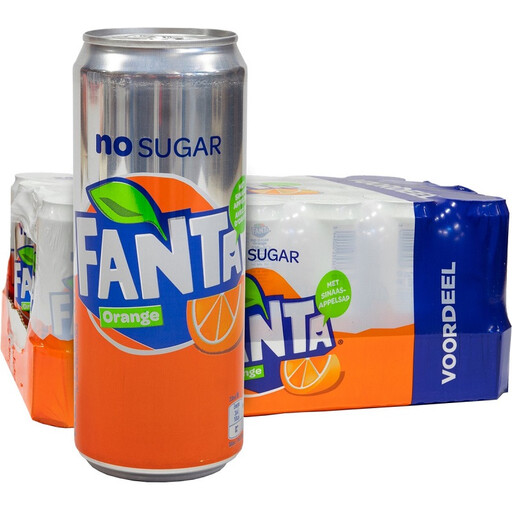
Why it suits this profile: A familiar orange flavour in 24 cans of 330 ml makes this a handy choice for home, guests or the cupboard.
The standard can size makes it easy to see how much you’re getting in each can. Always check the latest ingredients list on the packaging.
24 x 330 ml; orange flavour; handy pack size for stocking up.

Why it suits this profile: For anyone looking for a familiar sugar-free cola who specifically wants a caffeine-free option.
‘Caffeine free’ is stated clearly in the product name, making it easier to tell apart from regular Coca-Cola Zero.
24 x 330 ml; 0 g sugar according to the product information; caffeine-free.

Why it suits this profile: The 500 ml cans are a good fit if you’re looking for a larger serving and a fresh citrus flavour.
The packaging clearly states 12 x 500 ml. The product information also lists 0 g sugar and 12 kcal per 100 ml; check the label before buying.
12 x 500 ml; citrus flavour; caffeine listed in the ingredients.
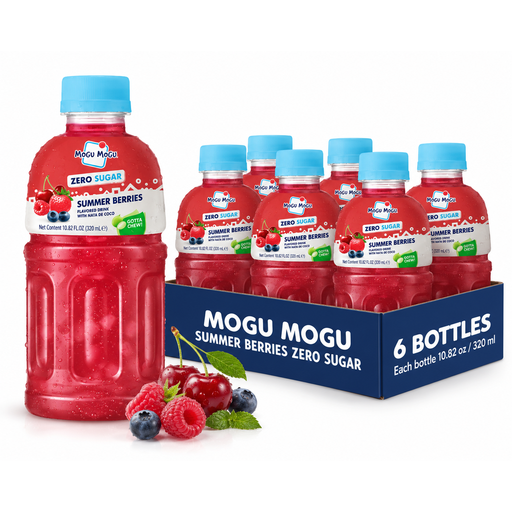
Why it suits this profile: A good choice if you’re after something other than standard cola, with a berry flavour and the soft texture of nata de coco.
The pack contents are clear: six 320 ml bottles, with 15% nata de coco according to the product information. This isn’t a standard fizzy soft drink.
6 x 320 ml; summer berry flavour; nata de coco; zero sugar according to the product information.
We’ve put together a complete, up-to-date list of products that meet these strict selection criteria and the applicable European safety regulations.
In everyday use, these terms are often used interchangeably. To be sure, check the nutrition table. A product with 0 grams of sugar per 100 ml may still contain sweeteners. ‘No added sugar’ also doesn’t always mean there are no sugars at all, for example in drinks containing fruit juice or fruit purée.
It depends on the variant. According to the product information, the Coca-Cola Zero Sugar Caffeine Free mentioned above is caffeine-free. Sprite Zero is also described as caffeine-free. Always check the label, especially for cola, energy drinks and international products, as recipes may vary.
That depends on the price, quantity and any delivery costs. Divide the total price by the number of cans or litres. A pack of 24 x 330 ml is handy for stocking up, but only buy in bulk if you like the flavour and have enough storage space. Check the packaging for deposit return or recycling information too.
