
Vandaag of morgen in huis

Kwaliteit gegarandeerd

Welkomstaanbiedingen ontgrendelen: GRATIS bezorging | Tot 80% korting | Gratis 30 dagen JoyPlus-proefperiode
Download de app
When you search for sugar-free soft drinks online, you’ll come across a range of different claims. “Zero sugar”, “light”, “no added sugar” and “low-calorie” don’t all mean the same thing. Even an appealing multipack can turn out to be less convenient if the flavour isn’t right, the packaging is too large, or the ingredients list doesn’t match your preferences.
With this guide, you can compare products on verifiable points. That way, you can make a more informed choice when selecting a zero sugar soft drink, a fruit drink with no added sugar, or a sparkling beverage with a distinctive flavour.
A product with no added sugar can still contain naturally occurring sugars from fruit. You’ll see this reflected in the nutritional information table. With a sugar-free or zero sugar soft drink, it’s important to look at the amount of “sugars” per 100 ml, not just what’s written on the front of the can.
A low-calorie soft drink can still contain sweeteners, acids or caffeine. If you’re after a specific composition, it’s worth checking the ingredients list. For example, Sweet16 Green Grape Ade Zero Sugar lists sucralose and stevia as sweeteners. Sprite Zero Sugar lists acesulfame-K and aspartame and, according to the product information, contains a source of phenylalanine.
A soft drink multipack is handy for families, guests, or keeping a stock at home. Still, twelve cans of the same tropical flavour isn’t practical for everyone. So pay attention to the size, the shelf life, and whether you plan to serve the drink daily, with meals, or only on special occasions.
Always compare nutritional values per 100 ml. This allows you to fairly compare a 200 ml can with a 1.5 litre bottle. The product information for Sweet16 Green Grape Ade Zero Sugar states 0 grams of sugar and 2 kcal per 100 ml. Schweppes Lemon Zero states 0 grams of sugar and 1 kcal per 100 ml.
With fruit drinks, it’s different. Iam Superjuice Passionfruit, according to the product description, contains no added sugar and 17 kcal per 100 ml. That doesn’t automatically mean the product is sugar-free. The fruit content can provide natural sugars.
If you want to avoid sugar, you’ll often encounter sweeteners. So check whether a product contains, for example, sucralose, steviol glycosides, acesulfame-K or aspartame. The choice depends on your personal preference.
Also check the allergen information. Many selected drinks state that none of the fourteen main EU allergens are declared. That’s product information, not a general guarantee for every consumer. If in doubt, always read the label on the packaging, especially as recipes can change.
A sparkling soft drink offers a different drinking experience from a still fruit drink. Consider the flavour direction:
For individual use, cans of 200 to 340 ml are convenient. A tray of 12 × 330 ml is better suited to families, stocking up, or serving several glasses.
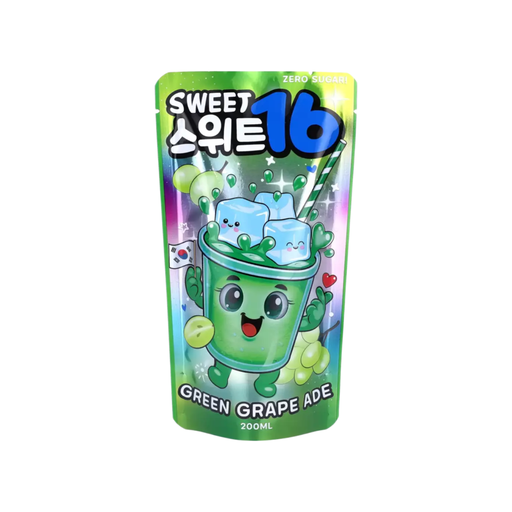
Why this fits the profile: A small size to try a Korean zero sugar soft drink first, without committing to a large stock.
The product information states 0 g sugar, 2 kcal per 100 ml and a 200 ml pack. This makes the portion size and nutritional values clear at a glance.
Green grape flavour, sucralose and stevia according to the product description, plus a compact size.

Why this fits the profile: A tray of twelve cans for anyone who wants to share a fruity tropical drink or keep a stock at home.
The packaging clearly states “no added sugar”, but the drink is not presented as sugar-free. The nutritional value of 17 kcal per 100 ml is also listed.
30% natural passion fruit juice according to the product description, twelve 330 ml cans and a sweet-tart fruit flavour.
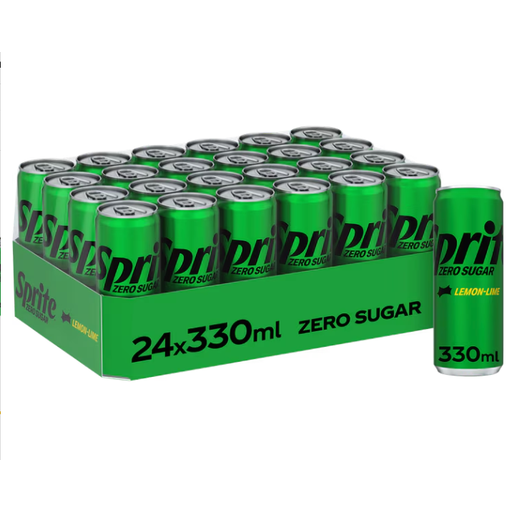
Why this fits the profile: The 24 individual cans are ideal for a household, office, party, or a regular supply of chilled soft drinks.
The multipack clearly states the quantity and volume: 24 × 330 ml. The ingredients list and warning about phenylalanine can be checked in advance.
Sparkling lemon-lime flavour, caffeine-free according to the product information, and suitable for serving chilled.
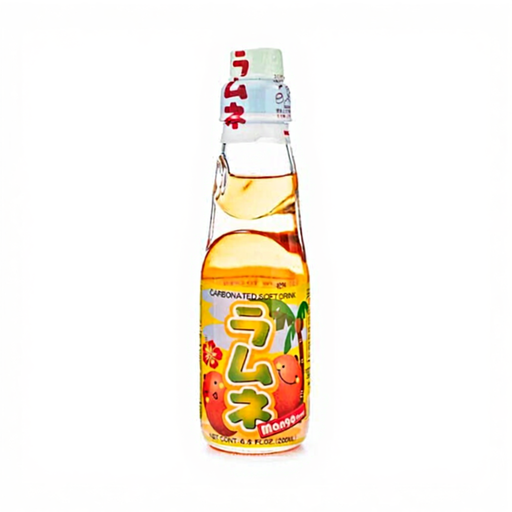
Why this fits the profile: For anyone specifically looking for a Japanese ramune with mango and a recognisable bottle experience, rather than a sugar-free drink.
The nutritional information states 9.5 g sugars and 35 kcal per 100 ml. This makes it clear in advance that this is not a zero sugar soft drink.
Mango flavour, carbonation and a Codd-neck bottle with a marble, according to the product description.
We’ve put together a full, up-to-date list of products that fully meet these strict selection criteria and comply with current European safety regulations.
In practice, both terms often refer to a drink with very little or no sugar. Always check the nutritional information table. The sweeteners used and the calorie content can vary by brand and flavour.
Not always. Fruit juice and fruit purée can contain natural sugars. So compare the energy and sugars per 100 ml. For example, Iam Superjuice Lychee states no added sugar and 15 kcal per 100 ml, but that’s a different claim from “0 g sugar”.
Follow the packaging instructions. Many drinks need to be refrigerated after opening and consumed within the stated period. Store unopened cans and bottles according to the instructions provided, away from direct sunlight and heat.
