
Vandaag of morgen in huis

Kwaliteit gegarandeerd

Welkomstaanbiedingen ontgrendelen: GRATIS bezorging | Tot 80% korting | Gratis 30 dagen JoyPlus-proefperiode
Download de app
Soft drink cans are convenient for home, the office, cafés and restaurants, or a party. A tray of 24 x 330 ml may often seem like good value, but the packaging does not always tell the whole story. If you only consider the brand, colour or promotional price, you could end up with a flavour that does not suit the group, the wrong quantity or a product that is less suitable for the occasion.
With these practical selection points, you can compare cola cans, Fanta cans, Pepsi cans, zero sugar soft drinks and American soft drinks using verifiable information.
A soft drink multipack with 24 cans has a lower price per can than a smaller pack, but only if you compare the contents and total price. International variants often contain 12 x 355 ml rather than 24 x 330 ml. So calculate the price per litre:
A tray can be practical for an office, sports club café or event. For occasional use, a smaller pack or a mix of flavours may make more sense.
Zero sugar soft drinks and sugar-free soft drinks are sweetened with sweeteners instead of sugar. This says nothing about caffeine. Coca-Cola Zero Sugar Caffeine Free explicitly states that this variant contains no caffeine. According to the product information, Coca-Cola Zero Sugar Soda and Pepsi Zero Sugar Cola do contain caffeine.
When it comes to sweeteners, also look out for the warning that the product may contain a source of phenylalanine. If you have a known sensitivity or specific dietary requirements, always read the label on the packaging supplied.
American soft drinks and soft drinks from Asia stand out with flavours such as grape, pineapple, peach or strawberry with cream. The ingredients list, nutritional values and colourings used may differ from the variants found in a Dutch supermarket.
For example, Fanta Pineapple carries a warning about the colourings E102 and E110. Fanta Grape Soda lists glucose-fructose syrup and colourings among its ingredients. Treat brand descriptions such as “authentic” or “refreshing” as flavour descriptions, not objective guarantees of quality.
The standard size for many soft drink cans is 330 ml. This size is suitable for a serving with lunch, in a meeting room or at a party. Some international products come in 355 ml cans. A difference of 25 ml per can may seem small, but it adds up across several trays.
Always check:
A tray of 24 cans is an efficient way to stock up, but it takes up more space in a kitchen cupboard, fridge or storeroom.
Compare the nutritional value per 100 ml, not just per can. As a reference:
These figures describe the product’s composition; they are not health advice. If you want to avoid sugar, you could consider a zero sugar variant, but also check which sweeteners and warnings appear on the label.
Cola often contains caffeine, while citrus soft drinks such as Sprite Zero Sugar are caffeine-free according to the product information provided. Check this for each variant, as the brand name or colour of the can is not a reliable indication.
Also look out for:
With imported soft drinks, labels and nutritional values may be displayed differently. Always use the information on the packaging actually supplied as your final check.
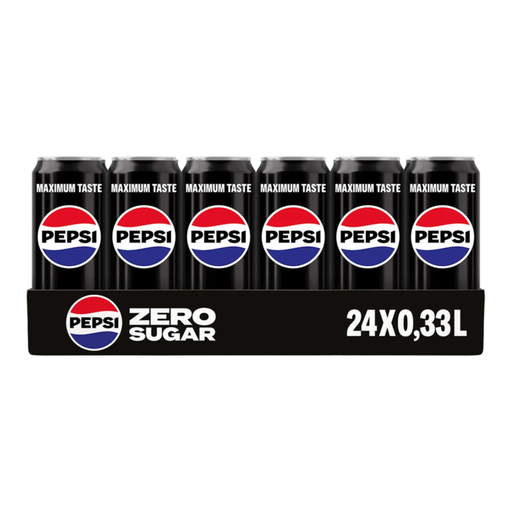
Why it suits this profile: A tray of 24 330 ml cans is easy to plan for at home, in a small office or at a party. The zero sugar recipe makes this product suitable for shoppers who want to avoid sugar in soft drinks.
The product page clearly states the number and size of the cans. Before buying, however, check the caffeine information and the phenylalanine warning on the packaging.
24 x 330 ml, zero sugar and suitable for serving chilled. The ingredients list includes sweeteners and caffeine.
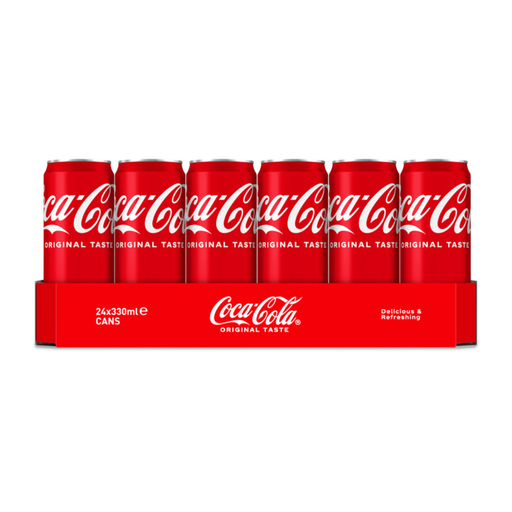
Why it suits this profile: This choice is suitable for households, cafés and restaurants, and event organisers who want to serve a familiar regular cola in a standard tray size.
The product information states the 24 x 330 ml format and the nutritional value. This allows you to compare regular cola fairly with zero sugar variants.
24 330 ml cans, original taste according to the product name, and 10.6 grams of sugar per 100 ml according to the nutritional information.
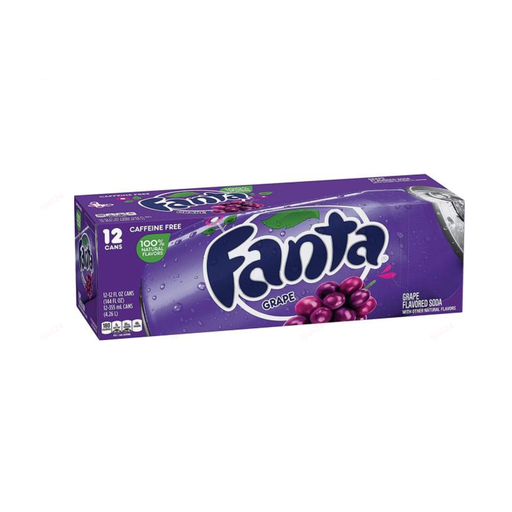
Why it suits this profile: A practical choice for parties, tastings and fans of American soft drinks who want a grape flavour instead of standard cola or orange.
The pack contains 12 x 355 ml, not 24 x 330 ml. The product information also lists 13.5 grams of sugar per 100 ml, allowing you to take its sweetness into account in advance.
Grape flavour, 355 ml per can and a pack that is ideal for trying a range of international flavours.
We have put together a complete, up-to-date list of products that fully meet these strict selection criteria and the applicable European safety regulations.
First compare the price per litre, and only then consider the brand. Next, check the product details for sugar, caffeine, sweeteners, can size and shelf life. For a business or event, it is a good idea to spread your stock across several flavours, such as regular cola, cola zero and a fruit variant.
If you order online, also check the delivery terms and the condition of the packaging on arrival. Store unopened cans in a cool, dry place. Do not leave them in direct sunlight for long periods or next to heat sources. This helps the carbonation and flavour stay fresh until you are ready to serve them.
Many multipacks contain 24 x 330 ml, totalling 7.92 litres. International variants are also available as 12 x 355 ml. So always check both the number of cans and the volume per can before comparing prices.
The best-before date is shown on the packaging, often on the bottom of the can or on the tray. Soft drinks usually have a “best before” date. Store unopened cans according to the stated advice. Before drinking, check that the can is not leaking, bulging or severely damaged.
In practice, both terms refer to soft drinks without sugar or with a very low sugar content, depending on the product definition and labelling. The drink may still contain sweeteners. Therefore, check the nutritional table and ingredients list, and separately confirm whether caffeine is present.
