
Same-day & Next-day Delivery

Quality Guaranteed

Unlock Your Welcome Offers: FREE Delivery | Up to 80% OFF | Free 30-day JoyPlus trial
Download the APP
Buying Chinese bao buns may seem straightforward, but the range varies considerably in terms of fillings, size, preparation method and storage temperature. For example, a soft steamed bun for breakfast calls for a different choice than filled bao buns for a dim sum evening or a bulk pack for food service.
Pay particular attention to three common pitfalls:
With frozen bao buns, the net weight is important, but the number of buns and the balance between dough and filling matter just as much. A product with a relatively high weight may still consist mainly of dough.
Look out for:
The stated filling in MENGFU Pork Bao With Mushroom And Bamboo 450g includes 31% pork, 9% bamboo shoots and 6% mushrooms, among other ingredients. This makes the composition easy to verify. If you prefer not to eat meat, consider Freshasia Noodle House Mushroom & Vegetable Bun 360g. According to the product information, this variety contains mushrooms and vegetables and is offered as a vegetarian option. However, always check the current label and allergen information.
Most frozen dim sum products are not ready to eat straight away. They must be heated thoroughly before serving. The cooking time depends on the size, filling and type of product.
Practical examples:
Place the buns in a steamer basket with space between them. This helps them cook evenly and reduces the chance of them sticking together. Take extra care with soup buns: the filling can be extremely hot and liquid. Allow them to cool briefly before eating.
Frozen bao buns should generally be stored at -18 °C or below. According to the product information, thawed products must not be refrozen. Plan ahead how many you need and seal any opened packaging securely.
Check the following before buying:
For anyone with an allergy, the packaging is the definitive source of information. Recipes, warnings and details of the responsible food business operator may change.
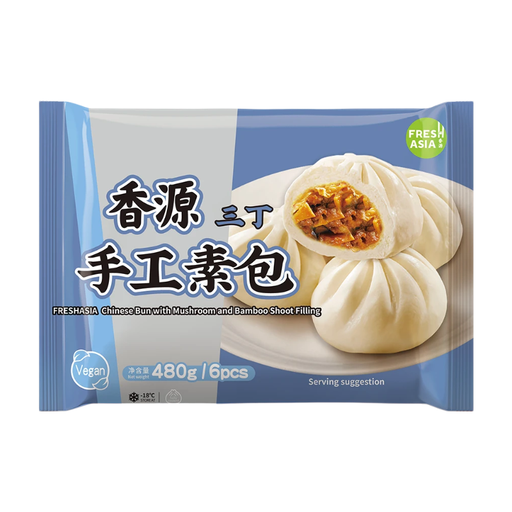
Why it suits this profile: A 480-gram pack is practical for breakfast, snacks or a simple meal at home. According to the product information, the buns are steamed directly from frozen.
The stated filling contains 12% bamboo shoots and 10% mushrooms. The cooking method and storage temperature are also provided.
Mushroom and bamboo shoot filling; 250 kcal, 7.5 g protein and 38 g carbohydrates per 100 g according to the product information.
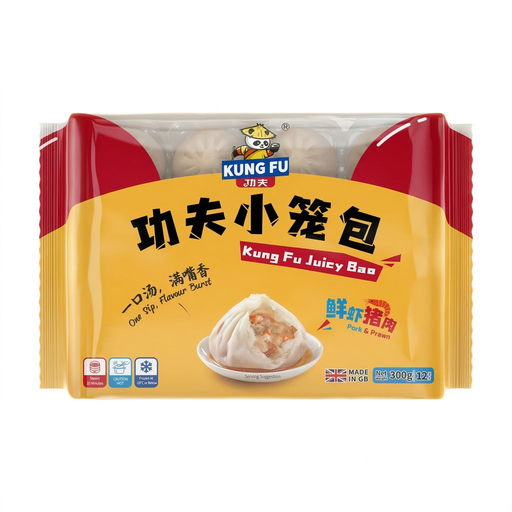
Why it suits this profile: Ideal for fans of filled bao buns with a savoury meat and prawn filling. The recommended preparation is to steam for 8–10 minutes over high heat.
The product information states that it contains at least 23% pork and visible pieces of prawn. Allergens such as wheat, soya, sesame, milk and crustaceans are listed.
300 grams per pack; 10.0 g protein and 186 kcal per 100 g according to the nutritional information provided.
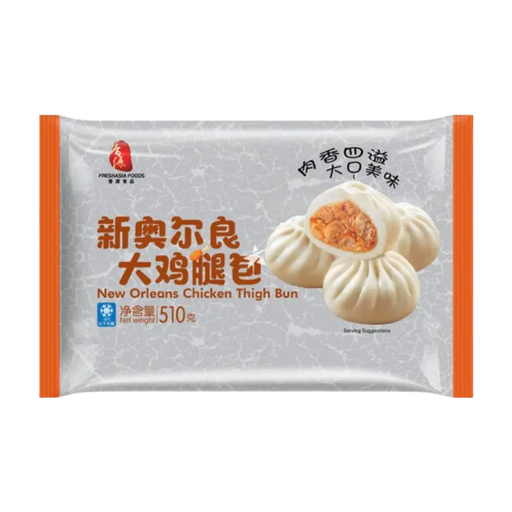
Why it suits this profile: The 510-gram pack is handy for families, larger households or a breakfast and snack occasion with several people.
The instructions state that it should be steamed for 12–15 minutes without thawing. The packaging also warns that this is a raw product containing raw flour.
25% chicken in the stated composition; 12 g protein per 100 g. Steam thoroughly and ensure the centre is piping hot.
We have put together a complete, up-to-date list of products that fully meet these strict selection criteria and the applicable European safety requirements.
For a savoury snack, you can choose from bao buns with meat, chicken, pork or prawns. If you want to serve several flavours, combine different small packs. For vegetarians, mushroom and vegetable varieties are worth considering, but check for soya, garlic, ginger and possible traces of other allergens too.
Sweet Chinese snacks are a separate category. According to the product information, TCT Red Sugar Steamed Bun 390g contains ingredients including wheat flour and brown sugar and should be steamed for 6–8 minutes. SAN QUAN Custard Bun 360g contains a custard filling with milk, egg, soya and wheat. These buns are suitable for breakfast, dessert or a sweet dim sum selection.
If you prefer a crispier preparation, consider Sijia Kitchen Mini Pan-Fried Pork Bun with Sweetcorn 250g. This product is designed to be fried in a pan until the base is golden brown and the filling is fully cooked. It is therefore not a standard product intended only for the steamer basket.
Place the frozen buns in a steamer basket above boiling water. Leave space between the buns and follow the time stated on the packaging. Depending on the product, this usually takes 6–15 minutes. With filled varieties, check that the centre is piping hot too.
This varies by product. Many Chinese steamed buns, including several xiao long bao varieties, are designed to be steamed straight from frozen. Other products need to be thawed first before frying or deep-frying. Always follow the specific cooking instructions and do not refreeze a thawed product.
Store the products at -18 °C or below and follow the best-before date on the packaging. According to the product information, they must not be refrozen after thawing. Once opened, it is best to keep the remaining buns well sealed and use them as soon as possible.
