
Vandaag of morgen in huis

Kwaliteit gegarandeerd

Welkomstaanbiedingen ontgrendelen: GRATIS bezorging | Tot 80% korting | Gratis 30 dagen JoyPlus-proefperiode
Download de app
Frozen bao buns are a convenient option for a quick breakfast, a snack or a light meal. Straight from the freezer, they usually go directly into the steamer basket. Yet Chinese steamed buns vary greatly in filling, size, cooking time and allergens. If you rely solely on an attractive picture or the word “authentic”, you could end up with a product that doesn’t suit your household or the time you have available to prepare it.
Baozi, dim sum, xiao long bao and soup dumplings are often used interchangeably. A bao bun can be a generously filled bun, whereas a xiao long bao is best known for its thin wrapper and the liquid broth inside. So always check the ingredients list and the proportion of the main filling.
For example: the MENGFU Yangzhou Meat Bao contains, according to the product information, a filling of 40%, of which 34% is pork. The Fresh ASIA Meat Buns Juicy Pork Buns states 21% pork. That difference can be significant if you’re after a savoury meal rather than mostly dough.
A bun with “mushroom” or “vegetable” in its name isn’t automatically suitable for every vegetarian. Check whether it contains animal ingredients, oyster sauce, chicken stock or other flavourings. Also look out for cross-contamination and allergens such as wheat, soya and sesame.
The Fresh ASIA Radish Handmade Vegetable Bun lists radish, carrot, vermicelli and shiitake as its filling. The Freshasia Noodle House Mushroom & Vegetable Bun also states a vegetable and mushroom filling, but contains soya, garlic, ginger and sulphur dioxide among its ingredients. The information on the packaging remains the deciding factor.
A small soup dumpling and a large baozi bun don’t have the same steaming time. Heating them for too short a time can leave you with a cold centre; steaming them for too long can make the outside soggy. So always look at the instructions for each product.
Many varieties require 8 to 12 minutes of steaming from frozen. Larger buns, such as some chicken varieties, may need 12 to 15 minutes. Products with a soup filling also contain extremely hot liquid. Let them cool briefly before eating.
Compare the net weight and the type of filling. A 300g pack may be suitable for a snack, while a 480g or 510g bag is more convenient for several people.
The nutritional information per 100g helps with comparison. The products in this range vary from approximately 184 to 299 kcal per 100g, depending on the dough, filling and fat content.
Almost all bao buns contain wheat in the dough. In addition, soya and sesame may be present. Products containing pork, chicken, prawn, crab, milk or egg require extra attention.
Before buying, read:
A product with “vegetable” in its name may, for example, contain soya or sesame. That doesn’t make it unsuitable, but it is important to check beforehand.
Store Asian frozen products at -18 °C or below, unless the packaging states otherwise. Generally, do not thaw bao buns first when the instructions say “steam directly from frozen”. Refreezing after thawing is not recommended for these products.
When steaming, use baking paper with holes or a thin liner so the buns don’t stick to the basket. Place them with space between them: the dough can expand during steaming. A microwave may work for some varieties, but steaming usually gives a more evenly soft texture. Always follow the cooking instructions on the packaging.
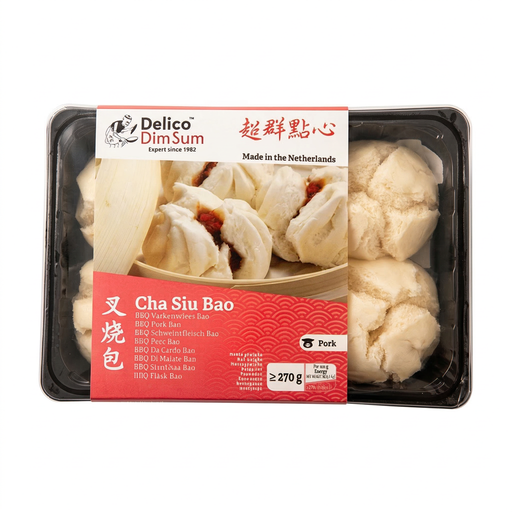
Why this fits the profile: A compact pack with Cantonese char siu filling for anyone wanting to try bao buns simply for the first time.
The product description states 8-10 minutes of steaming from frozen, so you don’t have to guess the cooking time.
270g, pork filling and a clear cooking time of 8-10 minutes.
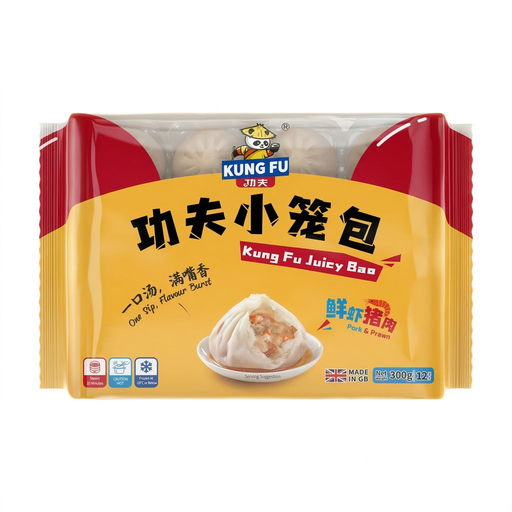
Why this fits the profile: Aimed at fans of soup-filled bao buns with pork and prawn.
The product information mentions 23% pork, visible prawns and 8-10 minutes of steaming after the water has boiled.
Combination of pork, prawn and broth; serve with ginger and vinegar as per the product description.
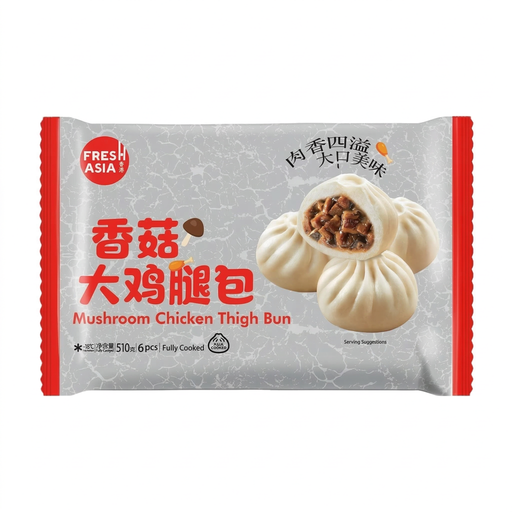
Why this fits the profile: A larger pack for families or households that regularly serve a quick breakfast or snack.
The instructions mention both steaming for 10-12 minutes and a microwave option of 60-90 seconds.
510g, 15.8% chicken and 2.1% mushroom according to the product information.
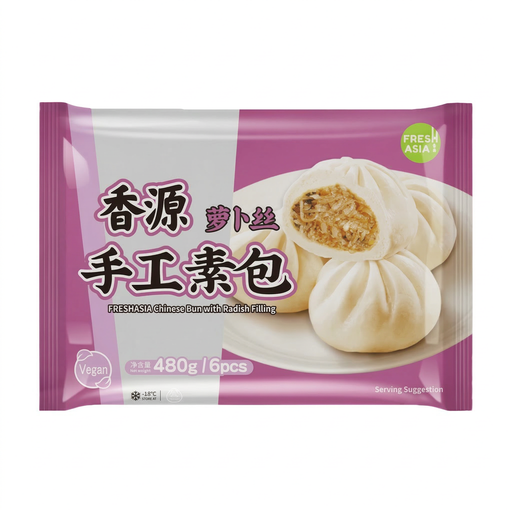
Why this fits the profile: A savoury vegetable option for breakfast, lunch or a light meal without a meat filling.
The stated filling consists of radish, carrot, vermicelli and shiitake; do check for soya and sesame allergens, though.
480g, steam from frozen for 10-12 minutes and 196 kcal per 100g according to the product data.
We’ve put together a full, up-to-date list of products that fully meet these strict selection criteria and comply with current European safety regulations.
Place the frozen buns in a steamer basket over boiling water. Make sure they aren’t touching each other and follow the time on the packaging. Many varieties need 8-12 minutes. Check that the filling is piping hot all the way through before eating. Do not eat bao buns raw.
Some products can be microwaved, but not all of them. The Fresh ASIA Mushroom Chicken Thigh Bun, for example, states 60-90 seconds on high power, with a few drops of water and covered. Only use a microwave method if it is stated on the packaging.
Store them at -18 °C or below and stick to the best-before date on the packaging. Do not refreeze the buns once thawed. After opening, it’s best to follow the manufacturer’s instructions and keep the packaging tightly sealed.
