
Vandaag of morgen in huis

Kwaliteit gegarandeerd

Welkomstaanbiedingen ontgrendelen: GRATIS bezorging | Tot 80% korting | Gratis 30 dagen JoyPlus-proefperiode
Download de app
As a Joybuy Product Recommendation Officer, I see how home cooks struggle with choosing the right noodles. You have a delicious Asian dish in mind, but the result is a disappointment: the noodles are mushy, tasteless, or fall apart in the wok. This is often due to a few common pitfalls.
Many packages use terms like "authentic" or "traditional" without saying anything about the texture or intended use. Another mistake is using the wrong type of noodle for a dish. Thin noodles for a hearty soup, or thick udon for a quick stir-fry, rarely leads to a good result. Let's take a look at how you can prevent this by paying attention to the right specifications.
Before you buy noodles, there are a few objective characteristics that determine whether they are suitable for your meal. By paying attention to these, you'll avoid a bad purchase.
The "bite" of a noodle is largely determined by the type of wheat and its gluten content. Authentic Japanese noodles and Korean noodles, such as ramen, often have a firm and elastic texture. This is because they are made from flour with a high gluten content. These noodles also retain their shape and springiness in a hot soup.
Noodles with a lower gluten content are typically softer and cook faster. These are often more suitable for dishes where the noodles don't need to sit in a liquid for long, such as a quick wok meal. So, check the ingredients list for terms like "high-gluten" or the presence of "wheat gluten" if you're looking for a firm, chewy texture.
The shape of the noodle isn't just for aesthetics; it determines how well it absorbs sauce and what the ideal preparation method is.
Asian noodles are available in two main forms: dried or fresh/pre-cooked.
Below are some product choices, linked to specific needs and cooking styles.
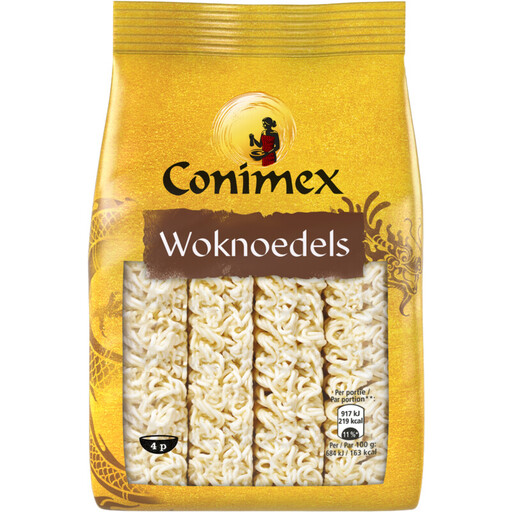
Why This Fits Their Persona: Ideal for those who want to put a nutritious meal on the table quickly after a long day at work. No fuss, just a reliable base for a stir-fry dish.
These noodles are explicitly intended as wok noodles. This helps you avoid the pitfall of choosing the wrong type of noodle. The 2-minute cooking time is clear, so no unexpectedly long preparation.
Very fast preparation time (2 minutes). Specifically designed for stir-frying, which prevents them from quickly becoming mushy in the pan.
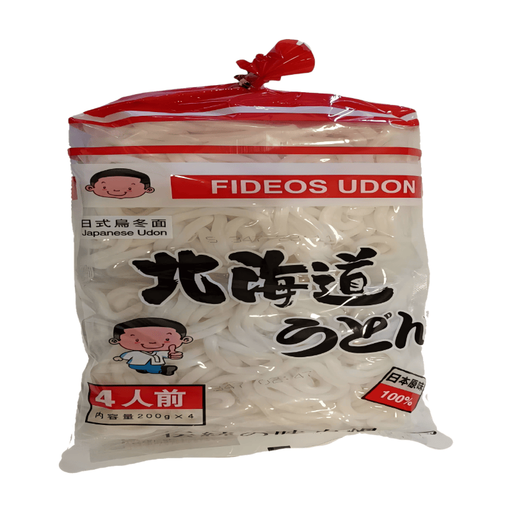
Why This Fits Their Persona: For the home cook who takes the texture of a Japanese meal soup seriously. This person is looking for a firm, thick noodle that can play the starring role in a bowl of steaming udon soup.
The product description emphasizes a thick, springy, and firm texture, which avoids the pitfall of a generic, limp noodle. The addition of wheat gluten is a clear indicator of the intended chewy structure.
Firm and smooth texture that holds up well in soups and hotpots. Doesn't get mushy quickly and has a rich wheat flavour.
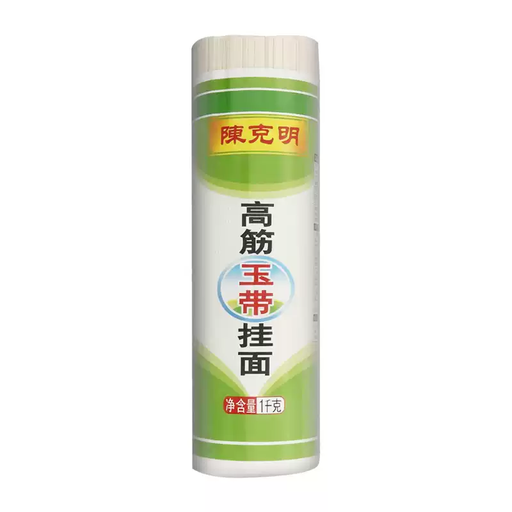
Why This Fits Their Persona: For families or home cooks who regularly eat Asian noodles and want to have a versatile stock at home. This person values quality and good value for money.
The "high-gluten" specification is a clear quality feature that bypasses the pitfall of a limp noodle. The large 1 kg package provides a good stock, so you won't run out quickly.
Large 1 kg package. The firm, elastic texture makes these ribbon noodles versatile for soups, stir-fries, and stews.
We've compiled a complete, up-to-date list of products that fully meet these strict selection criteria.
The main difference is in the thickness and texture. Udon noodles are the thickest, soft and chewy, ideal for soups. Ramen noodles are thinner, springy, and often yellowish in colour, specifically for Japanese noodle soup. Wok noodles are usually pre-cooked or quick-cooking and designed to maintain their structure during high-heat stir-frying.
Use a large pot with plenty of boiling water. Stir the noodles immediately after adding them to prevent sticking. Do not cook them longer than the recommended time on the package. For stir-fry dishes, a good tip is to briefly rinse the noodles with cold water after cooking. This stops the cooking process and removes excess starch.
Many traditional Asian noodles contain simple ingredients: wheat flour, water, and salt. They can be an excellent base for a nutritious meal, especially when combined with plenty of vegetables and lean proteins. There are also non-fried varieties available, such as the Liu Yu Da Dong Hang Non-Fried Wheat Noodles, which offer a lighter option compared to instant noodles that have been fried in oil. Always read the ingredients list if you have specific dietary requirements.
