
Livraison le jour même et le lendemain

Qualité garantie

Débloquez vos offres de bienvenue: Livraison GRATUITE | Jusqu'à -80 % | 30 jours d'essai gratuits à JoyPlus
Téléchargez l'application
Udon noodles are ideal for a quick meal, but the differences between packs can be significant. Some varieties are designed as a neutral base for homemade udon noodle soup or a stir-fry. Others are ready-to-eat udon noodles with sauce, vegetables and toppings. If you focus only on flavour or attractive packaging, you could end up buying a product that is unsuitable for the way you want to prepare it.
Pay particular attention to these three common pitfalls:
First check whether you are buying a dried, pre-cooked or fully prepared variety. Nature's Best Harvest Udon Noodle, weighing 200 grams, is a neutral base. According to the product information, these noodles are suitable for soup, stir-fries and cold noodle dishes, but they must be fully cooked before consumption.
Preparation varies between instant udon noodle products:
Always follow the instructions on the packaging. Information shown on a webshop may differ from the current packaging.
Udon is usually made from wheat flour, water and salt. This means that many Japanese udon noodles contain gluten. Sauces often add soya, sesame, peanuts, fish or other ingredients.
Before buying, check:
For example, Nongshim Tempura Udon Cup Noodle states that the product contains wheat and soya; some flavour varieties may also contain egg, milk, fish, shellfish, molluscs or mustard. If you have an allergy, always check the current packaging or contact the manufacturer.
A single 200-gram pack is practical as a base for a meal with vegetables, egg, tofu or meat. A bowl serving usually contains sauce and toppings, giving it a stronger flavour straight away. When comparing products, look not only at the total pack size, but also at the nutritional value per 100 grams and, where provided, per serving.
The amount of salt varies considerably between products. A neutral noodle may contain approximately 0.7 to 1.13 grams of salt per 100 grams, while an instant bowl with stock may contain around 2.9 to 3 grams per 100 grams. This does not make a bowl unsuitable, but it is useful information if you want to buy several portions or prefer to control the amount of sauce yourself.
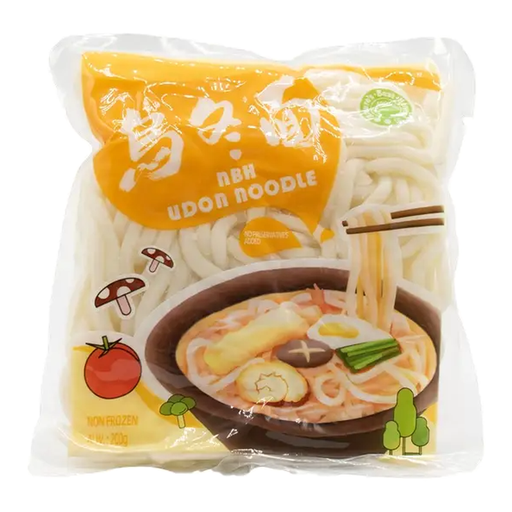
Why it suits this profile: A simple pack without seasoning powder gives beginners the freedom to create their own soup, stir-fried noodles or udon noodle bowl.
The preparation method and uses are clearly described. You are not paying for a sauce you may not use.
200 grams per pack, suitable for soup, stir-fries and cold dishes. Contains wheat and gluten.
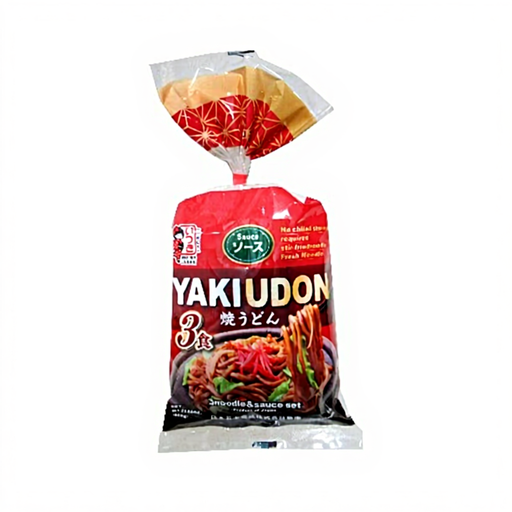
Why it suits this profile: This pack combines three portions of yaki udon with Worcestershire sauce, making it ideal if you want a consistent flavour and simple stir-fry preparation.
The packaging lists the relevant allergens: wheat, fish and soya. This means you can check the ingredients in advance.
Three portions with seasoning included; 669 grams in total. Suitable for yaki udon and stir-fry dishes.
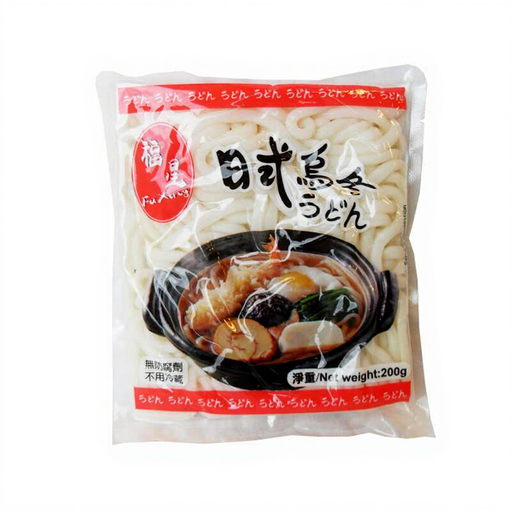
Why it suits this profile: Restaurants, caterers and larger households get 30 individual 200-gram packs for stocking up and controlling portions.
The individual portions help reduce waste after opening. Do check the use-by date and the storage space available.
30 individually packed portions; suitable for soup, hotpot, wok dishes and cold dishes.
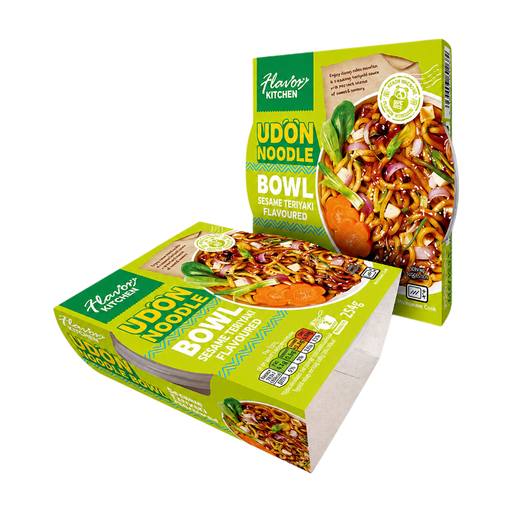
Why it suits this profile: A ready-to-eat udon noodle bowl with sauce, vegetables and sesame is suitable for lunch at the office or a quick meal at home.
The instructions specify 2–3 minutes in the microwave and approximately 20 ml of water. Check the packaging before use.
254 grams per bowl, with sesame teriyaki sauce, dried vegetables and toasted sesame. Contains wheat, soya and sesame.
We have compiled a complete, up-to-date list of products that fully meet these strict selection criteria and the applicable European safety regulations.
For a simple udon noodle soup, combine neutral noodles with stock, pak choi, spring onions and tofu. Add the noodles only when the stock is nearly ready, so they do not become too soft.
For stir-fried udon noodles, this order works well:
With a microwave bowl, the lid should usually be placed on loosely. Do not use damaged packaging, and eat the product immediately after opening when this is stated on the label. Flavour or quality claims worded as “according to a brand’s own research” are not an independent guarantee, so base your choice on the ingredients, portion size, preparation method and allergens.
That depends on the product. Pre-cooked udon noodles usually only need reheating. Dried varieties must be boiled. Always read the preparation instructions, and do not eat noodles raw when the packaging states that heating is necessary.
The shelf life of unopened noodles varies by type and brand. Check the date on the packaging and store the noodles in a cool, dry place away from direct sunlight. An opened pack should be sealed properly; some fresh or ready-to-eat bowls have a shorter shelf life.
The price per portion depends on the pack size. A single pack is suitable for occasional use, while a bulk pack of udon can reduce the cost per portion if you cook regularly. Divide the total price by the number of packs or bowls, and remember to account for any sauce, vegetables and toppings you add yourself.
