
Vandaag of morgen in huis

Kwaliteit gegarandeerd

Welkomstaanbiedingen ontgrendelen: GRATIS bezorging | Tot 80% korting | Gratis 30 dagen JoyPlus-proefperiode
Download de app
Udon noodles are thicker and firmer than many other Asian noodles. This makes them well suited to broth, stir-fries, hotpot dishes and cold salads. However, many packages look similar even though the differences in ingredients, preparation, portion size and nutritional values can be significant.
If you buy udon noodles without comparing them, you are most likely to encounter these three pitfalls:
There are several types of udon noodles:
Also check whether the product contains noodles only or is a complete meal. A noodle bowl with sauce may be quicker to prepare, but often contains more salt, sugar and allergens than a plain bag of noodles.
Most traditional udon varieties in this range contain wheat flour and are therefore not suitable for people with a wheat or gluten allergy. Some products may also contain soya, sesame, peanuts, fish or other allergens.
Pay attention to the following:
If you have a serious allergy, it is advisable to check the physical label before using the product. Product information may change.
Nutritional values vary by type and may be provided per 100 grams or per portion. Always check the unit first before comparing products.
Regular wheat udon generally contains considerably more carbohydrates than shirataki udon. For example, City aroma Noodles Shirataki Udon 400g lists 9.5 kcal, 0 grams of fat and 1.5 grams of carbohydrates per 100 grams. According to the product information, the ingredients are 54% konjac, water, an acidity regulator and calcium hydroxide.
This makes shirataki interesting for people looking for low-carbohydrate noodles, but the texture is different from wheat udon. The sauce or broth also contributes significantly to the final nutritional value. A product described as suitable for keto or diabetes is not automatically right for everyone. Check the complete dish and, if you are following a diet, follow your healthcare professional’s advice.
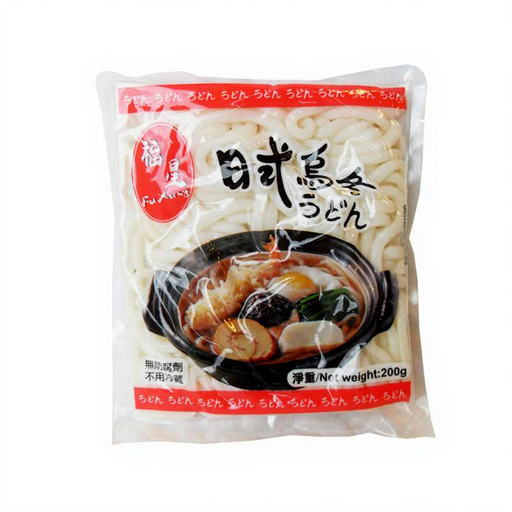
Why it suits this profile: The 200 g portion is easy to manage for one or two people and works well in soup, stir-fries or hotpot dishes.
You do not need to buy a large stock pack before you know which texture and preparation method suit you. The ingredients list states wheat flour, water and salt.
200 g per bag, 156 kcal and 34 g of carbohydrates per 100 g according to the product information; suitable for soups and stir-fries.
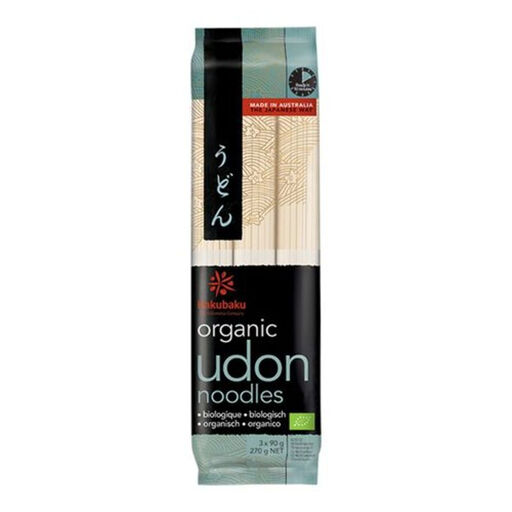
Why it suits this profile: This variety has a short ingredients list containing wheat flour, salt and water, making it suitable for simple Japanese noodle dishes.
The specifications are clear: 95% wheat flour and 5% salt, with water also listed in the ingredients. This makes it easier to compare products without relying on vague taste claims.
270 g pack; 64.7 g of carbohydrates and 7.2 g of protein per 100 g according to the stated table. Contains wheat.
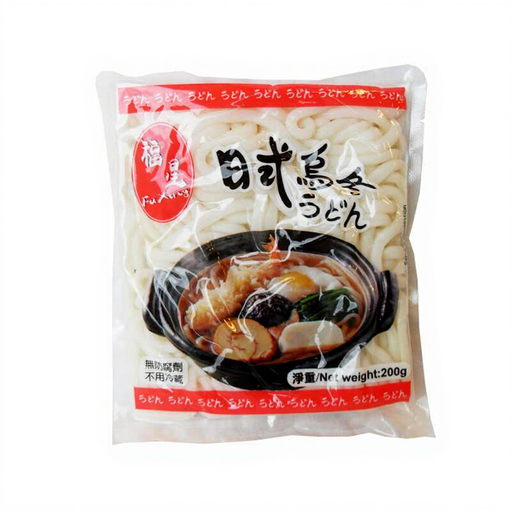
Why it suits this profile: Thirty individual 200 g bags are practical for restaurants, catering, large households or regular weekly meal plans.
The portions are individually packaged. This means you do not have to store a large opened bag each time, and you can plan how much you use for each dish.
30 portions of 200 g; according to the product information, suitable for soup, stir-fries, hotpot dishes and cold dishes. Contains wheat and may contain traces of soya and egg.
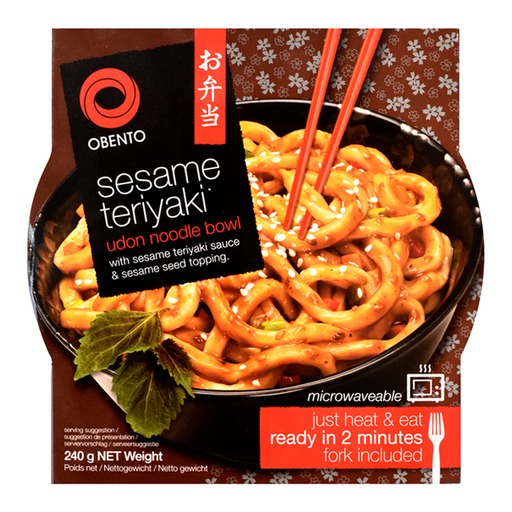
Why it suits this profile: This meal bowl combines udon with sesame teriyaki sauce, dried vegetables and sesame seeds, and is designed to be prepared in just a few minutes.
The contents are clearly described as a complete noodle bowl. You therefore do not need to buy separate sauce or toppings, although you should still check the allergens.
240 g per bowl; contains wheat, soya and sesame. The stated nutritional value is 158 kcal per 100 g and 2 g of sodium per 100 g.
We have put together a complete, up-to-date list of products that fully meet these strict selection criteria and the applicable European safety regulations.
Read the preparation instructions on each pack. Some fresh udon varieties are ready after one to two minutes in boiling water, while instant udon may need around five minutes. JINBAIWEI, for example, states that the noodles can be heated in the microwave for around one minute. Do not eat noodles raw when the label states that they need to be heated.
With shirataki udon, briefly rinsing the noodles is usually an effective way to reduce the packaging odour. You can then heat the noodles or use them cold, depending on the product instructions. Store opened packs according to the label and do not use any product if its packaging is damaged.
Yes. Pre-cooked or fresh udon noodles are particularly convenient for stir-fries. If necessary, loosen them under water, heat them briefly and add them when the vegetables and sauce are nearly ready. This helps them keep their shape.
A 200 g bag is often sold as one generous portion or two smaller portions. The amount you need depends on how many vegetables, tofu, meat, fish or how much broth the dish contains. For meal bowls, always check the total weight of the full contents.
According to the stated product information, City aroma Shirataki Udon contains 1.5 g of carbohydrates per 100 g. This is lower than the wheat varieties mentioned above. However, always check the latest label and remember to consider the sauce, broth and toppings you add.
