
Vandaag of morgen in huis

Kwaliteit gegarandeerd

Welkomstaanbiedingen ontgrendelen: GRATIS bezorging | Tot 80% korting | Gratis 30 dagen JoyPlus-proefperiode
Download de app
Udon noodles are popular for their thick texture and versatility. You can use them in Japanese noodle soups, stir-fries, cold salads or a quick bowl meal. However, not all products are alike. Traditional wheat-flour udon has very different characteristics from shirataki udon or konjac noodles.
Those who focus solely on the packaging, product claims or a low price may ultimately choose a product that does not suit their intended meal. Below, you’ll find the key considerations and several popular options for different households in the Netherlands.
The name “udon” often refers to a thick Japanese noodle, but some varieties are made from wheat flour, while shirataki udon is made from konjac. As a result, the texture, nutritional profile and preparation method can differ considerably.
Always check the ingredients list. According to the product information, Hakubaku Udon Noodles consist of wheat flour, salt and water. City Aroma Shirataki Udon, by contrast, contains konjac and water, with a much lower energy and carbohydrate content per 100 grams.
An 800-gram pack or multipack can be convenient for families, but pay attention to shelf life, storage requirements and portion size. A large pack is less practical if you only eat Asian noodles occasionally.
With shirataki noodles, you may sometimes purchase several water-filled packs at once. This can be worthwhile for regular users, but check in advance how many individual portions you actually need.
The noodles themselves may be plant-based, while the sauce or toppings contain animal-derived ingredients. Ready-to-eat instant udon noodles may also contain allergens such as soy, wheat, peanuts or sesame.
Check the current packaging before purchase. Website product information may change and is not always complete. If you have an allergy, rely exclusively on the label and allergen declaration on the package delivered to you.
Traditional udon noodles usually contain wheat and gluten. Hakubaku, for example, lists 95% wheat flour and 5% salt. Obento Udon Noodle 800g also contains wheat flour and is therefore unsuitable for people who need to avoid wheat or gluten.
Shirataki udon and other konjac noodles are generally made from konjac powder, water and, in some cases, an acidity regulator or calcium hydroxide. According to the supplied product information, City Aroma Shirataki Udon 400g contains none of the 14 major EU allergens. Always verify this again on the packaging.
Compare products on the same basis—typically per 100 grams. According to the available product information, regular wheat noodles contain approximately 55 to 65 grams of carbohydrates per 100 grams, depending on the product and whether the figures refer to the dry or prepared product.
Shirataki udon falls into the category of low-calorie noodles. City Aroma lists 9.5 kcal and 1.5 grams of carbohydrates per 100 grams. The 20 x 400g pack lists 9 kcal per 100 grams, with 2 grams of carbohydrates. These values are product-specific, so check which variant you are ordering.
A low nutritional value for the noodles does not automatically mean the finished dish will be low in calories. Sauces, oil, stock, meat substitutes and toppings can significantly affect the final amount of calories, salt and carbohydrates.
Check whether the noodles are dried, chilled, frozen, vacuum-packed or ready to eat.
Konjac noodles have a neutral flavour that readily absorbs sauces and seasonings, but their bite differs from that of wheat udon. Choose based not only on nutritional values, but also on the eating experience you want.
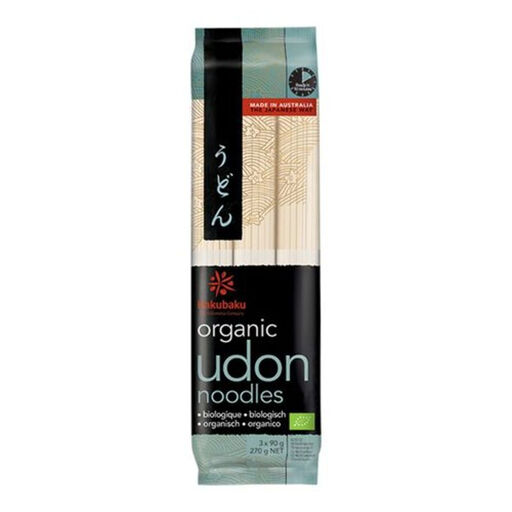
Why This Fits Their Persona: A manageable pack for anyone preparing Japanese noodles at home for the first time and not looking to build up a large stock.
The ingredients list is short and clear: wheat flour, salt and water. This immediately shows that these are regular wheat udon noodles rather than a konjac-based alternative.
270 grams per pack; suitable for soups and stir-fries; 64.7 grams of carbohydrates per 100 grams according to the product information.
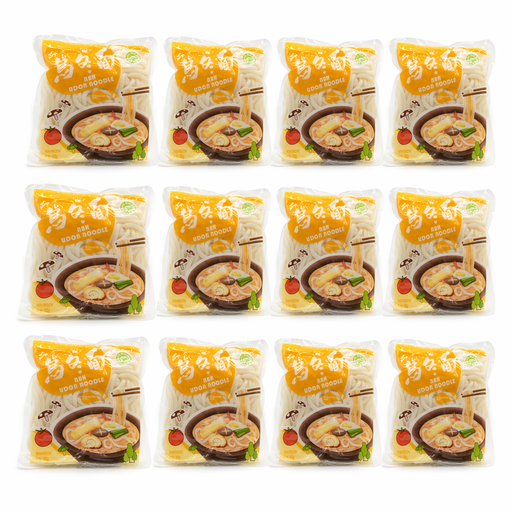
Why This Fits Their Persona: Ideal for home cooks looking for a versatile base for soups, stir-fries or cold noodle dishes.
The 200-gram portion means you do not have to open a large multipack straight away. The packaging also states that the noodles must be fully cooked.
Wheat-based, with 55 grams of carbohydrates and 5 grams of protein per 100 grams; suitable for several preparation methods.
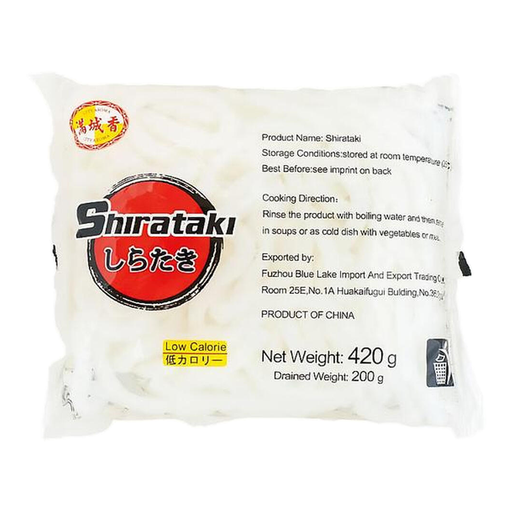
Why This Fits Their Persona: A practical choice for those who regularly use low-calorie or low-carb noodles in stir-fries, soups or salads.
The preparation steps are clear: drain, rinse for 2 to 3 minutes and, if desired, boil briefly. This helps manage the odour from the packing liquid.
9.5 kcal, 1.5 grams of carbohydrates and 0 grams of fat per 100 grams according to the product information; 400 grams per pack.
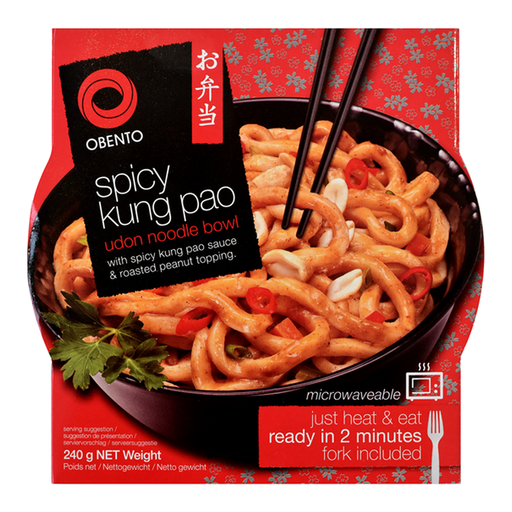
Why This Fits Their Persona: For the office, home or on the go when you want to prepare a vegetarian meal in just a few minutes.
The portion size and preparation method are clearly stated. Be sure to check the ingredients list for wheat, peanuts, soy and sesame.
240 grams per bowl; prepare with a microwave or hot water; 336 kcal per bowl according to the listed nutritional information.
Browse a current selection of products and compare ingredients, pack sizes, preparation methods and nutritional values for your meal.
Shirataki udon is an udon-shaped variety of konjac noodles. They are usually slightly translucent and have a neutral flavour. Their texture differs from that of wheat udon. Rinsing and briefly heating them can help make the aroma and texture more pleasant.
That depends on the packaging. Dried noodles can generally be stored in a cool, dry place until the date shown on the label. Water-packed or chilled varieties have different storage requirements. Check the best-before date, storage instructions and packaging before use.
Many plain udon noodles contain only wheat, water and salt, making them suitable for a vegetarian or vegan meal. This does not automatically apply to instant products with sauce. Always check the current allergen and ingredients information on the packaging.
