
Vandaag of morgen in huis

Kwaliteit gegarandeerd

Welkomstaanbiedingen ontgrendelen: GRATIS bezorging | Tot 80% korting | Gratis 30 dagen JoyPlus-proefperiode
Download de app
Are you looking to buy mango drink for home, a meal or a party? The choice might seem straightforward, but packaging can be misleading. A product with “mango juice” on the front doesn’t automatically contain a lot of mango. Terms like “no added sugar” and “tropical drink” also warrant a closer look at the ingredients list.
With this practical guide, you’ll focus on what really matters: mango content, sugar content, portion size, allergens and storage advice.
A mango fruit drink may contain apple, pineapple or passion fruit juice alongside mango. That’s not necessarily a problem, but the taste and composition will differ from a pure mango juice. So check the percentage of mango (purée) or the full fruit ratio.
For example: Maaza Mango Drink contains 17% mango purée according to the product information, while Rubicon Still Mango Deluxe states 19% mango purée. Other drinks include mango as part of a broader fruit blend.
A sugar-free mango drink may contain sweeteners. Wicky Mango Fruit Drink, for instance, states less than 0.1 grams of sugar per 100 ml and uses sucralose and acesulfame-K. Volvic Touch of Fruit Mango Passion also states 0 grams of sugar per 100 ml and contains sweeteners.
If you’re after a sweeter, fuller fruit flavour, it’s better to look at the fruit percentage and total carbohydrate content. Always check the current packaging, as product compositions can change.
A mango drink multipack is handy for a family or the store cupboard, but a large box takes up more space and may be less suitable if you want to try a flavour first. For on-the-go, small packs or cans are often more practical. For a family, a 1-litre mango drink or several bottles usually makes more sense.
Pay attention to the difference between:
A higher mango or fruit percentage can give a more intense fruit flavour, but it doesn’t in itself say anything about your personal preference. Also look at the order of ingredients: ingredients listed first are present in larger quantities.
Compare the nutritional value per 100 ml, not just per bottle or can. This way you can fairly compare products of different sizes.
Some examples from the available product information:
With “no added sugar”, also check the ingredients list. Iam Superjuice Mango Drink states 30% mango juice, no added sugar and steviol glycosides as a sweetener. That makes it a different choice from a traditionally sweetened mango drink.
Choose the size based on how you’ll use it:
Once opened, a chilled drink usually needs to be kept in the fridge and used within the period stated on the packaging. Also check that the cap or seal is intact. If you have allergies, the packaging is your guide; some tropical drinks, for example, contain milk ingredients.
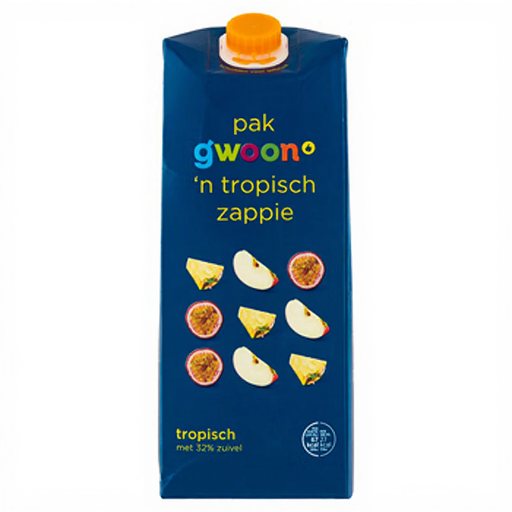
Why this fits the profile: The 1-litre format is straightforward for a first purchase and suitable for sharing at home. The drink has a tropical fruit blend of apple, pineapple and passion fruit.
The product information states the fruit ratio and nutritional values, so you’re not relying solely on the name “tropical”.
1 litre content; 114 kJ per 100 ml according to the product information. Contains milk ingredients, so check for allergens.
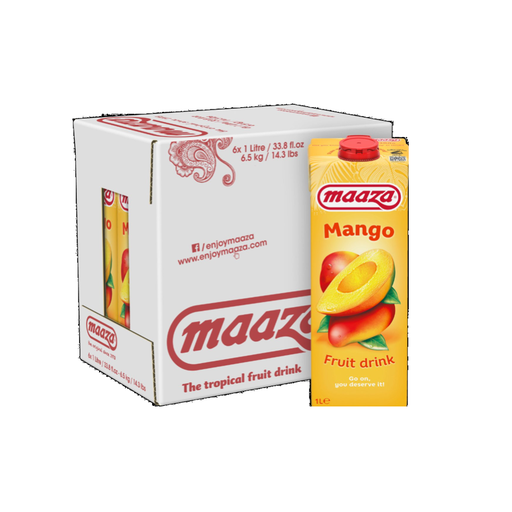
Why this fits the profile: This multipack is aimed at households that regularly serve mango drink at breakfast, lunch or a gathering.
The information explicitly states 17% mango purée. This allows you to assess the fruit base better than by relying on the front of the pack alone.
6 bottles of 1 litre; according to the product information, 46 kcal and 10.8 grams of sugar per 100 ml.
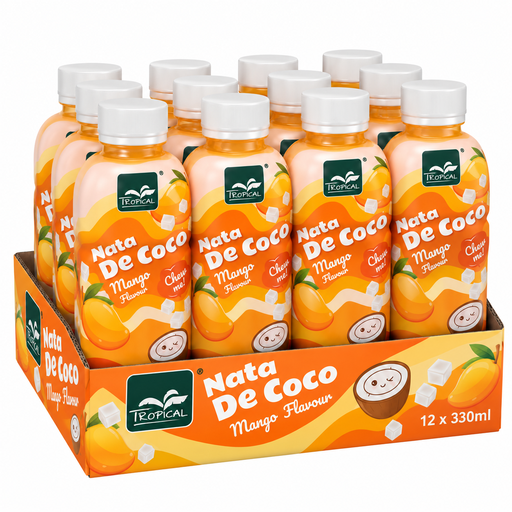
Why this fits the profile: This option is designed for fans of Asian drinks and a noticeable texture, for example at a party or as a chilled individual portion.
The product description clearly states 22% nata de coco and 5% mango from concentrate. You therefore know that texture is the focus and that it’s not a pure mango juice.
12 bottles of 330 ml; contains according to the product information 22% nata de coco and 22 kcal per 100 ml.
We’ve put together a full, up-to-date list of products that fully meet these strict selection criteria and comply with current European safety regulations.
That depends on your definition of “low”. Wicky Mango Fruit Drink and Volvic Touch of Fruit Mango Passion state less than 0.1 grams and 0 grams of sugar per 100 ml respectively. Both use sweeteners. So always compare both the nutritional value and the ingredients list.
A 1-litre pack is practical for several people at a meal or breakfast. Once opened, the drink should be kept chilled according to the label. If you mostly drink alone, a 500 ml bottle or a 330 ml can may help reduce waste.
Mango juice is primarily about a liquid fruit flavour. A nata de coco mango drink also contains pieces of gelled coconut fibre, giving you a soft, chewy texture. With both varieties, check the mango and sugar content before you order.
