
Vandaag of morgen in huis

Kwaliteit gegarandeerd

Welkomstaanbiedingen ontgrendelen: GRATIS bezorging | Tot 80% korting | Gratis 30 dagen JoyPlus-proefperiode
Download de app
A mango drink may seem easy to choose, but the range varies considerably. In shops and online, you’ll find mango juice, mango fruit drinks, mango soft drinks, fizzy options, and drinks with little or no sugar. The packaging may suggest a rich fruit flavour, while the actual mango content is limited. A multipack may also seem like good value, but it may not be the best choice if you want to try the flavour first.
With this practical guide, you can focus on the information that really matters: the mango content, nutritional values, size and how you plan to use the drink.
Check the ingredients list and the percentage of mango purée or mango juice. This percentage is usually shown in the product information or on the label. For example, according to the product description, Iam Superjuice Mango Drink contains 30% mango juice, while the listed specifications for Maaza Mango show 17% mango purée. Wicky Mango Fruit Drink, on the other hand, states 0.2% mango juice from concentrate.
A drink with a lower mango content can still taste pleasant, but you are mainly buying a flavoured fruit drink rather than a product with a pronounced fruit base.
Always check the nutritional values per 100 ml. Wicky states that it contains less than 0.1 grams of sugar per 100 ml and uses sweeteners such as sucralose and acesulfame-K. According to the product information, Iam Superjuice is described as “no added sugar”, contains 17 kcal per 100 ml and is sweetened with steviol glycosides.
A product with no added sugar may still contain naturally occurring sugars. So don’t just look at the wording on the front: check the ingredients and the nutritional information table too.
A 200 to 370 ml can or bottle is convenient for drinking on the go or trying a new flavour. A 1-litre bottle is better suited to breakfast, a meal or several people. When choosing a mango drink multipack, you should also consider storage space, shelf life and whether you already know that you like the flavour.
According to the product information, an opened bottle often needs to be stored in the fridge and consumed within the stated period. Always check the label of the specific product for details.
The term mango juice is sometimes used broadly by online shops. A product may be a fruit drink, juice drink or soft drink. Look out for:
Ingredients are generally listed in descending order by quantity. If water appears first and mango comes later, the drink is not mainly made from mango.
Compare the same unit: per 100 ml. The figures vary across the range provided. Sagiko Mango Juice states 43.75 kcal and 11.9 grams of sugar per 100 ml. Rubicon Still Mango Deluxe states 61 kcal and 13 grams of sugar. According to the product information, Sourcy Vitamin Water Mango Guava contains 1 kcal and 0 grams of sugar per 100 ml, but does contain sweeteners and guarana extract.
So, “lighter” does not automatically mean that the flavour or ingredients will suit your preferences. If you want to limit your sugar intake, you can also check which sweeteners are used and whether the ingredients list contains caffeine or guarana.
A fizzy mango drink such as Hatakosen Ramune Mango or Jarritos Mango contains carbonation and is well suited to parties, meals or serving chilled. A still mango fruit drink, such as Maaza or Rubicon, is not carbonated and is often poured into a glass.
Choose the right pack size too:
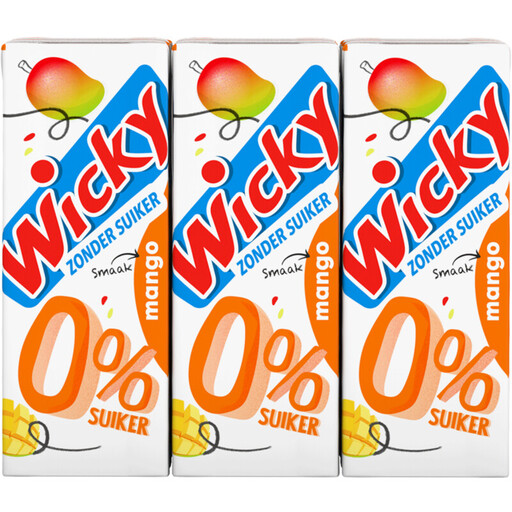
Why it suits this profile: The small packs are easy to use as individual portions. According to the product information, this mango drink contains less than 0.1 grams of sugar and 1 kcal per 100 ml.
The nutritional values make it immediately clear that this drink does not contain the same amount of sugar as a regular sweet mango soft drink. However, it does contain sweeteners and only 0.2% mango from concentrate.
6 x 200 ml packs; less than 0.1 g of sugar per 100 ml according to the product information; enriched with vitamin C.

Why it suits this profile: This option combines a clearly stated mango content of 30% with a stock pack containing 12 cans of 330 ml.
The “no added sugar” claim is supported by specific information: 30% mango juice and 17 kcal per 100 ml. That gives you more to go on than just a tropical image on the packaging.
30% mango juice according to the product description; 12 x 330 ml; no added sugar according to the listed product information.
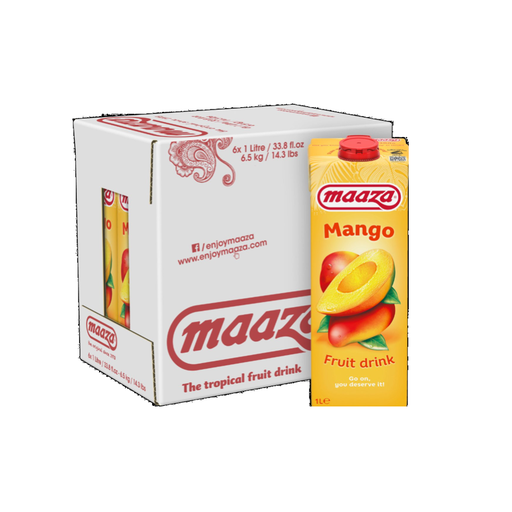
Why it suits this profile: The 6 one-litre bottles are designed for households, meals and regular use. The drink can be served chilled and is suitable for sharing.
The size is suited to frequent use, so you need fewer individual bottles. However, bear in mind that the product information states 46 kcal and 10.8 g of sugar per 100 ml.
17% mango purée; 6 x 1 litre; suitable for serving chilled and sharing with meals.
We’ve put together a complete, up-to-date list of products that fully meet these strict selection criteria and the applicable European safety regulations.
Mango juice consists of mango juice or purée, which may be diluted. A mango fruit drink often contains additional water, sugar, sweeteners, acidity regulators or flavourings. Check the mango percentage and ingredients list to see the difference between products.
This varies by brand and recipe. Wicky states that it contains less than 0.1 grams of sugar per 100 ml. Sourcy Vitamin Water Mango Guava states 0 grams of sugar per 100 ml, but contains sweeteners and guarana extract. According to the product description, Iam Superjuice contains no added sugar, but states 17 kcal per 100 ml. Always compare the current packaging.
An opened bottle or pack should generally be stored in the fridge and kept tightly sealed. The exact period varies by product. According to the product information, Tymbark Mango Mint Drink should be refrigerated after opening and consumed within 48 hours. Always follow the label on the mango drink you choose.
