
Vandaag of morgen in huis

Kwaliteit gegarandeerd

Welkomstaanbiedingen ontgrendelen: GRATIS bezorging | Tot 80% korting | Gratis 30 dagen JoyPlus-proefperiode
Download de app
Would you like to buy mango drinks, but are you unsure whether to choose mango fruit drink, mango juice, mango soft drink or a sugar-free option? Colourful packaging does not always tell the whole story. A tropical name may mainly refer to the flavouring, for example, while the actual mango content is limited. Multipacks are not automatically better value either if you do not compare the total volume.
When choosing, pay particular attention to these three common pitfalls:
The term mango drink says little about the ingredients on its own. That is why you should check the ingredients list. It usually states whether the drink contains mango juice, mango purée, juice from concentrate or simply mango flavouring.
A few examples from the range:
A higher fruit percentage does not automatically mean you will prefer the taste. It does, however, help you compare different products objectively.
If you are consciously trying to reduce your sugar intake, check the label per 100 ml. “No added sugar” means that no sugar has been added according to the product description; it does not necessarily mean that the drink is completely sugar-free.
The differences are clear:
Always check the current packaging. Product ingredients and nutritional values may change. According to the product information, a brand may, for example, refer to a particular taste experience or “natural” ingredients. Treat this as a brand claim and check the underlying ingredients on the label.
The right packaging depends on how you plan to use it:
After opening, follow the storage instructions. Many drinks need to be refrigerated and consumed within the period stated on the packaging. Shake drinks containing fruit pieces or particles if the label instructs you to do so. Also check the seal and best-before date when your order arrives.
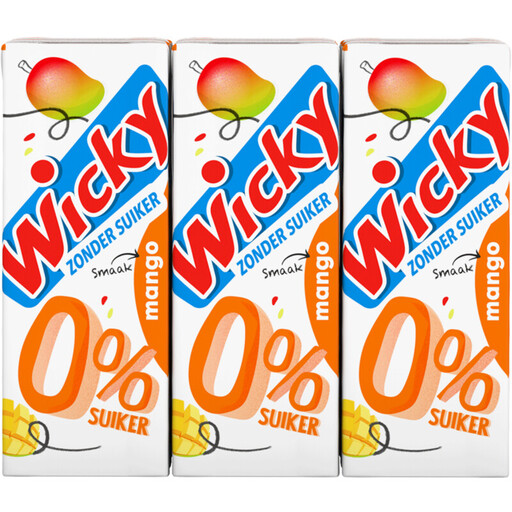
Why it suits this profile: The six 200 ml portions are easy to manage at home, at school or on a picnic. According to the product information, this variant contains less than 0.1 grams of sugar per 100 ml.
The nutritional information makes the distinction between sugar and sweeteners clear. However, check that you enjoy the taste of a sweetened, sugar-free drink.
6 x 200 ml; less than 1 kcal per 100 ml; added vitamin C according to the product information.

Why it suits this profile: This box contains 12 cans of 330 ml and lists 30% mango juice. It is a good choice for shoppers looking for a clearly stated fruit content and enough stock for several drinking occasions.
The “no added sugar” claim is supported by a specific nutritional value of 17 kcal per 100 ml. The drink is, however, sweetened with steviol glycosides.
30% mango juice according to the product description; 12 x 330 ml; 3.96 litres in total.
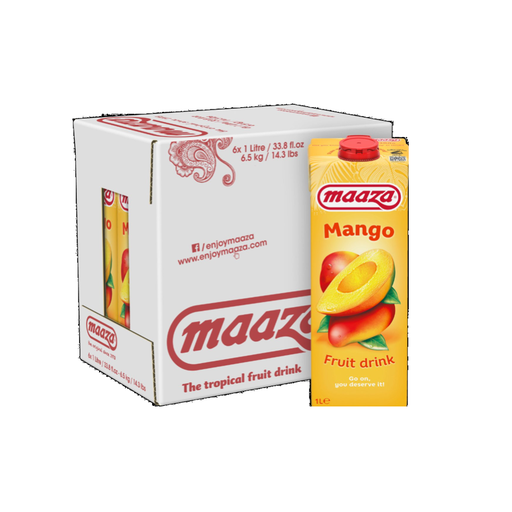
Why it suits this profile: Six 1-litre bottles are ideal for families, entertaining and anyone who wants to keep a regular supply of mango fruit drink at home.
The packaging clearly shows the total volume. With 10.8 grams of sugar per 100 ml, this is not a sugar-free mango drink, helping to prevent misleading expectations.
6 x 1 litre; 17% mango purée according to the product information; suitable for serving chilled and sharing.
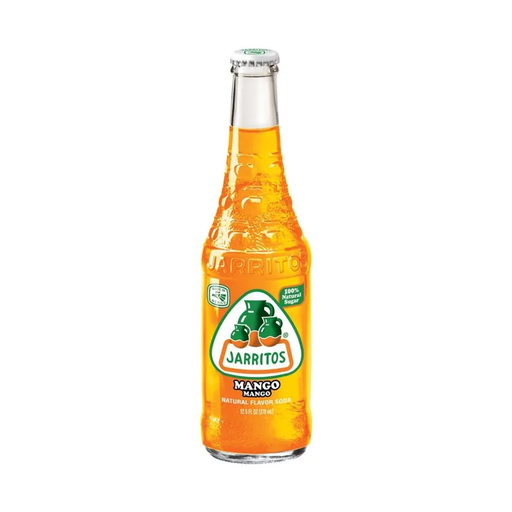
Why it suits this profile: The 370 ml bottle is a practical portion for a meal, drinks with friends or an evening when you want to serve a Mexican-inspired mango soft drink.
The product information clearly lists carbonated water, sugar and natural mango flavourings. Expect a soft drink rather than a highly concentrated mango juice.
370 ml per bottle; carbonated; made with sugar and natural fruit flavours according to the product description.
We have put together a complete, up-to-date list of products that fully meet these strict selection criteria and the applicable European safety regulations.
Mango juice generally refers to a product in which juice or purée is a key ingredient. Mango fruit drink may also contain more water, sugar, sweeteners, flavourings or other fruit juices. Check the mango percentage and the complete ingredients list rather than relying on the product name alone.
Yes. Wicky lists less than 0.1 grams of sugar per 100 ml. Iam Superjuice states “no added sugar” and 17 kcal per 100 ml. Both products do, however, contain sweeteners. If you want to avoid both sugar and sweeteners, check the label carefully; “sugar-free” does not automatically mean this.
That depends on the price and the total volume. Divide the total price by the number of litres to compare multipacks fairly. A box of small cans can be convenient for portion control, while a 1-litre mango drink is usually more efficient for use at home. Also check the best-before date and the available fridge space before buying in bulk.
