
Vandaag of morgen in huis

Kwaliteit gegarandeerd

Welkomstaanbiedingen ontgrendelen: GRATIS bezorging | Tot 80% korting | Gratis 30 dagen JoyPlus-proefperiode
Download de app
Shelves are packed with tropical drinks that promise a taste of sunshine. But anyone looking for a quality mango drink quickly discovers the choice is overwhelming. One bottle touts itself as pure juice, while another turns out to be a fruit drink with surprisingly little mango. It's easy to be disappointed by a watery taste or an unexpected sugar bomb.
Before you make a purchase, it's wise to be aware of a few common pitfalls:
This guide will help you see through the marketing and choose a mango drink that truly suits your taste.
To avoid making the wrong choice, there are a few objective specifications you can check directly on the label. These factors determine the flavour, quality, and type of drink you're taking home.
The most important factor is the percentage of actual mango in the product. The name on the packaging often gives a clue:
Tip: Always check the percentage of mango puree or mango juice on the ingredients list. This is the most reliable indicator of the expected flavour intensity.
The sweetness of a mango drink can come from two sources: the mango itself or added sweeteners.
The choice is personal, but knowing where the sweetness comes from helps you find a drink that matches your preferences for taste and nutrition.
Modern tropical drinks offer more than just a smooth liquid. Unique textures can transform a drink into a true experience. Popular add-ins include:
These additions create a completely different drinking experience than a traditional mango juice.
Based on clear product characteristics, we have selected a few options that cater to different preferences.
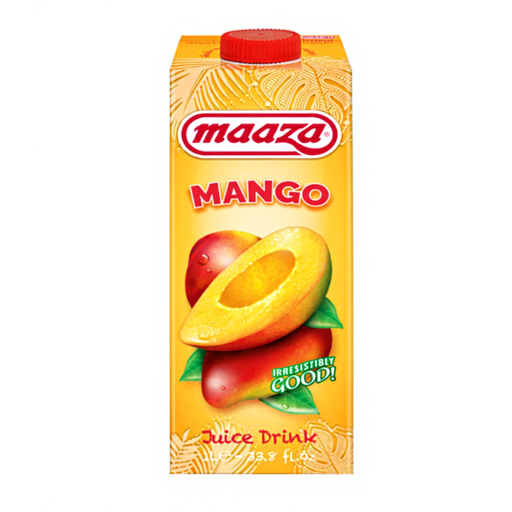
Why This Fits Their Persona: Ideal for those seeking the familiar, rich, and sweet taste of a mango nectar. Perfect for the whole family or to enjoy on its own with breakfast.
This product is transparent about its composition. The label clearly states 17% mango puree, positioning it as a nectar and not making a false promise of 100% juice.
Made from mango puree for a full, authentic flavour. The large 1-litre carton is practical and economical for regular use.
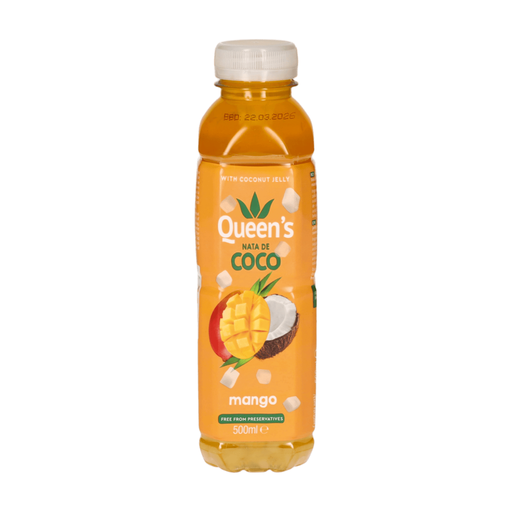
Why This Fits Their Persona: For those bored with standard juice and looking for a drink with a surprising twist. The combination of sweet mango and a chewy texture makes it a unique treat.
The product name is direct and honest: "Nata de coco mangue". You know exactly what texture to expect, avoiding the pitfall of vague "bits".
Offers a unique drinking experience thanks to the addition of coconut jelly. It's a refreshing and simultaneously playful thirst-quencher.
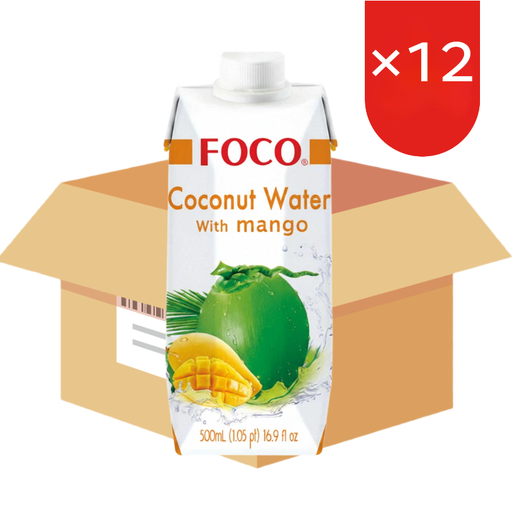
Why This Fits Their Persona: An excellent choice for after a workout or on a hot day. This drink is lighter than a nectar and focuses on hydration with a subtle, tropical flavour.
The name "Coconut Water with Mango" sets the right expectation: it's primarily coconut water, not a thick mango juice. At only 20 kcal per 100 ml, it avoids the hidden sugar trap.
Combines the hydrating properties of coconut water with a hint of mango flavour. It's fat-free and low in calories, making it a health-conscious choice.
We have compiled a complete, up-to-date list of products that fully meet these strict selection criteria and UK regulations.
Although the terms are often used interchangeably, 'mango juice' ideally refers to a product with a very high fruit percentage. 'Mango drink' or 'mango nectar' is a broader category that is often diluted with water and sugar for a lighter, sweeter taste. The ingredients list and the stated fruit percentage provide the most reliable information.
Nata de coco is a chewy, translucent jelly made from the fermentation of coconut water. It is a popular addition in Asian desserts and tropical drinks, adding a unique and pleasant texture to a drink with nata de coco.
Unopened packages are best stored in a cool, dark place. Once opened, the mango drink should be refrigerated and consumed within the period specified on the packaging (usually a few days). Shaking before use is often recommended, as natural sediment may occur.
