
Vandaag of morgen in huis

Kwaliteit gegarandeerd

Welkomstaanbiedingen ontgrendelen: GRATIS bezorging | Tot 80% korting | Gratis 30 dagen JoyPlus-proefperiode
Download de app
A mango drink can look far fruitier on the label than it really is. Images of ripe mangoes, words such as “tropical” and eye-catching packaging say little about the ingredients. So if you want to buy a mango drink online, it is wise not to look only at the brand or price.
The most common pitfalls:
In the European Union, ingredients are listed in descending order by weight. If water or sugar appears first, mango is unlikely to be the main ingredient. Look for terms such as mango purée, mango juice from concentrate or mango flavouring.
The percentage is even clearer. For example, Iam Superjuice Mango Drink states 30% mango juice, while Maaza Mango Drink contains 17% mango purée, according to the product information. This does not automatically make either drink suitable for everyone, but it does provide a verifiable difference in composition.
Asian mango drinks may also contain ingredients such as nata de coco, fructose syrup or various stabilisers. This can be appealing if you are mainly looking for an unusual texture or flavour, but less suitable if you prefer a simple ingredient list.
Always compare products on the same basis: per 100 ml, not per bottle or can. The product information provided includes the following values:
A sugar-free mango drink may contain sweeteners. For example, Wicky lists sucralose and acesulfame-K. According to the product information, the Iam drink is also sweetened with steviol glycosides. So as well as checking the sugar content, look at the full ingredients list.
For everyday use with several people, a 1-litre bottle or multipack is practical. Maaza is available as 6 x 1 litre; this is suitable if you want to stock up, but it requires more storage space.
Smaller packs are more convenient for individual use. Think of a 200 to 370 ml bottle, such as Hatakosen Ramune Mango or Jarritos Mango. Carbonation makes a drink different from still mango juice or fruit drink. Also check the storage instructions: many drinks should be refrigerated after opening and consumed within the period stated on the packaging.
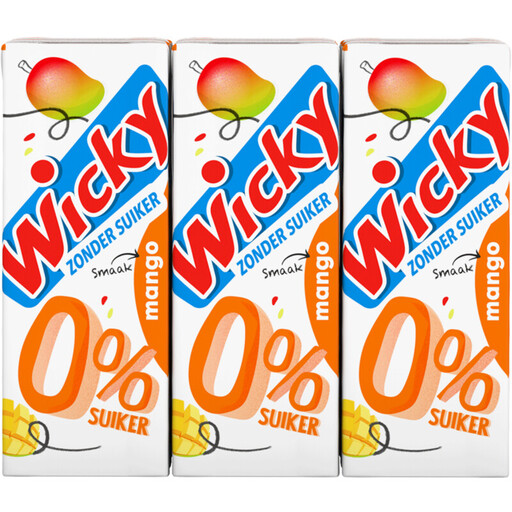
Why it suits this profile: The small portions are practical for families, school bags or a drink on the go. According to the product information, this variety contains less than 0.1 g sugar and 1 kcal per 100 ml.
The nutritional values make the sugar content easy to verify. However, note that according to the label, the mango content is 0.2% juice from concentrate, so the mango flavour does not indicate a high fruit content.
6 x 200 ml, less than 0.1 g sugar per 100 ml and added vitamin C according to the product information.

Why it suits this profile: This multipack is ideal for shoppers looking for a clearly stated mango content and an alternative with no added sugar for everyday use.
The label states 30% mango juice and 17 kcal per 100 ml. “No added sugar” is still different from sugar-free, so check the current packaging.
12 cans of 330 ml, 30% mango juice according to the product description and a lower energy value than several standard fruit drinks.
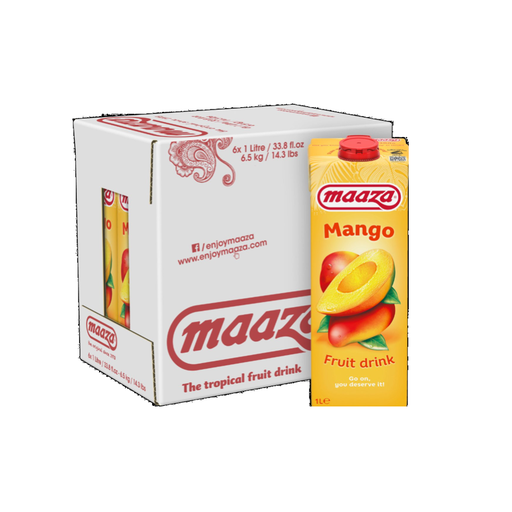
Why it suits this profile: The six 1-litre bottles are aimed at families, meals, guests and keeping a supply at home. According to the product information, the drink is made with 17% mango purée.
The volume and mango percentage are clearly stated. With 10.8 g sugar per 100 ml, this is not a sugar-free option, helping to set accurate expectations.
6 x 1 litre, 17% mango purée according to the label and suitable for serving chilled with meals or to guests.
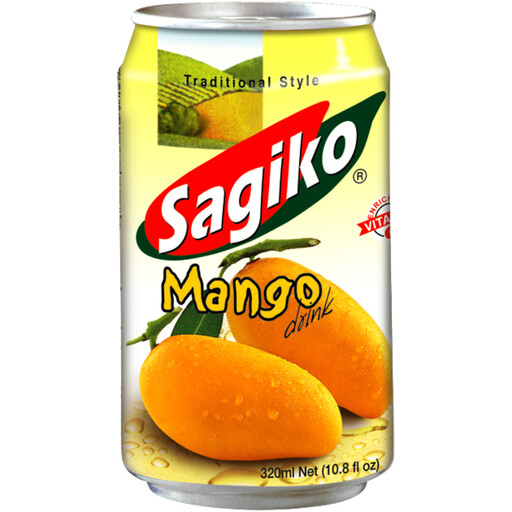
Why it suits this profile: The small format is ideal for trying an Asian mango drink without immediately buying a large pack.
The nutritional information lists 11.9 g sugar per 100 ml, while the ingredients list places sugar before mango purée. This makes the sweeter style clear in advance.
320 ml per pack, tropical flavour according to the product description and none of the 14 major EU allergens listed.
We have put together a complete, up-to-date list of products that fully meet these strict selection criteria and the applicable European safety regulations.
Mango juice consists of mango juice or purée, which may be diluted. A mango fruit drink may also contain other fruit juices, water, sugar, sweeteners and flavourings. Check the mango percentage and ingredients list rather than relying solely on the product name.
No, not necessarily. “No added sugar” means that, according to the claim, no sugar has been added to the product. Fruit may still provide natural sugars. A product labelled sugar-free must meet the European threshold for sugars. Therefore, check the nutritional value per 100 ml.
Follow the instructions on the packaging. For many products, the guidance is to refrigerate, close securely and drink within a few days. According to the product information, Tymbark Mango Mint, for example, states 48 hours. The best-before date before opening is shown on the packaging; also check for a damaged cap or seal.
