
Vandaag of morgen in huis

Kwaliteit gegarandeerd

Welkomstaanbiedingen ontgrendelen: GRATIS bezorging | Tot 80% korting | Gratis 30 dagen JoyPlus-proefperiode
Download de app
A mango drink may seem simple to choose, but there’s a big difference between mango juice, fruit drinks, fizzy drinks and energy drinks. Packaging covered in tropical images also tells you little about the actual mango content. If you only consider flavour or price, you could end up buying a product that doesn’t suit how you plan to use it.
Look out for these three common pitfalls:
Start by checking the ingredients list. Ingredients are listed in descending order by weight. Also look for the percentage of mango, mango purée or mango juice from concentrate.
A product may be made mostly from water, apple juice or other fruit juices, for example. That’s not necessarily a bad thing, but the flavour and ingredients will differ from a drink with a higher mango content. Maaza Mango Drink, for example, lists 17% mango purée, while Wicky Mango Fruit Drink contains 0.2% mango juice from concentrate. Both are mango fruit drinks, but they suit different preferences.
Also check what type of product it is:
Always compare products on the same basis: per 100 ml. A 1-litre bottle may look like a large amount, but nutritional values per serving can vary considerably.
Wicky Mango Fruit Drink lists less than 0.1 grams of sugar per 100 ml and uses sweeteners including sucralose and acesulfame K. Sourcy Vitamin Water Mango Guava lists 0 grams of sugar per 100 ml, but also contains sweeteners. So a sugar-free mango drink isn’t automatically free from sweeteners.
Maaza Mango Drink, on the other hand, contains 10.8 grams of sugar per 100 ml. That’s typical of a sweeter fruit drink made with mango purée, but it’s an important difference if you’re watching your sugar intake. Also look out for terms such as “no added sugar”: the ingredients list may show that the product still contains naturally occurring sugars.
Choosing the right size helps prevent waste:
Store unopened bottles as directed on the packaging, away from direct sunlight and excessive heat. Many fruit drinks should be kept in the fridge once opened. Always check the label for the exact storage instructions and how long the drink will keep.
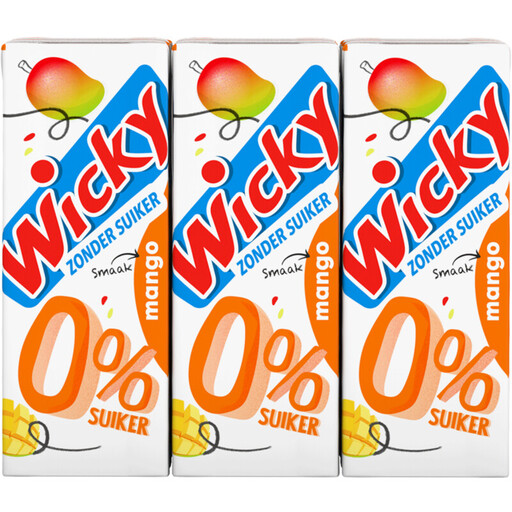
Why it suits this profile: The small packs are easy to manage and are a good choice if you prefer to pour a set amount each time rather than open a large bottle.
The packaging and product information make it clear that this is a sugar-free drink with sweeteners, not pure mango juice.
6 x 200 ml; less than 0.1 g of sugar per 100 ml; with added vitamin C; according to the product information, none of the 14 main EU allergens.
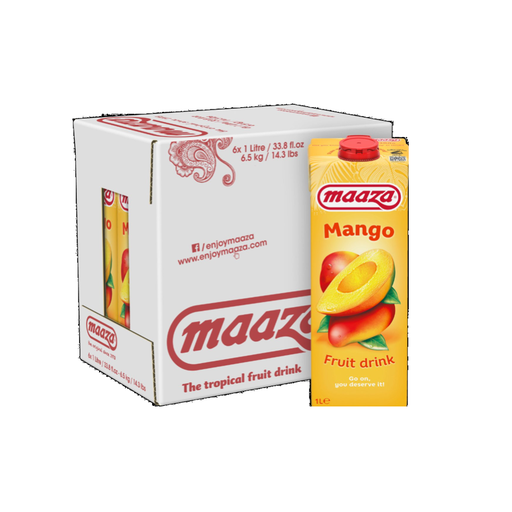
Why it suits this profile: If you’re after a pronounced mango flavour and a supply to keep at home, this multipack includes mango purée as a clearly listed ingredient.
The product information gives a specific mango content: 17% mango purée. This makes it easier to assess the fruit content than relying on the front of the pack alone.
6 x 1 litre; 17% mango purée; 46 kcal and 10.8 g of sugar per 100 ml; suitable for sharing and stocking up.
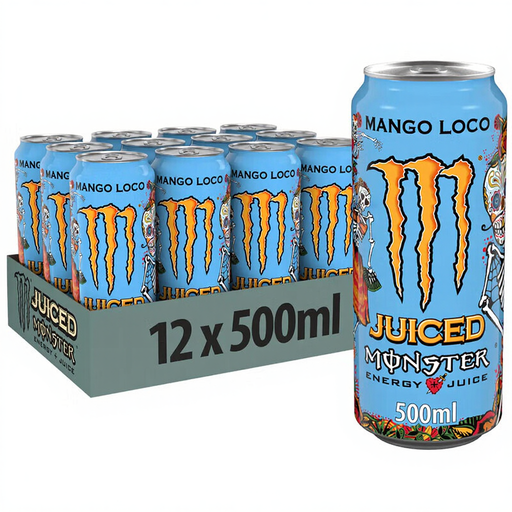
Why it suits this profile: This multipack is aimed at people looking for a carbonated mango drink with caffeine rather than a regular fruit drink.
The product information clearly lists caffeine, taurine, sugars and sweetener, so there’s no mistaking it for anything other than an energy drink.
12 x 500 ml; 9% fruit juice from concentrate; 48 kcal and 11 g of sugar per 100 ml. According to the product information, it is not recommended for children, pregnant women, breastfeeding women or people sensitive to caffeine.
We’ve put together a complete, up-to-date list of products that meet these strict selection criteria and comply with the applicable European safety regulations.
No. A mango drink may contain water, sugar, sweeteners, flavourings and other fruit juices. Mango juice generally refers to a product made with juice as its base, but always check the ingredients list and the mango content.
It depends on the product. Wicky Mango Fruit Drink lists less than 0.1 grams of sugar per 100 ml. Sourcy Vitamin Water Mango Guava lists 0 grams of sugar per 100 ml. Both contain sweeteners, so read the full label if you’d prefer to limit them.
Follow the instructions on the packaging. Many products need to be kept in the fridge once opened and used within a few days. Close the bottle tightly and check the smell, flavour and appearance before pouring yourself another glass.
