
当日/次日达

品质保障

开启新人专享福利: 全场免邮 | 低至 2 折 | 免费试用 30 天 JoyPlus 会员
下载 Joybuy
Buying energy drinks online might seem straightforward, but packaging and marketing copy can make comparing them tricky. A larger pack isn’t always better value, a flashy flavour doesn’t tell you much about the caffeine content, and “zero sugar” doesn’t mean a drink is free of stimulating ingredients.
With this practical guide, you’ll focus on the factors that really make a difference for UK shoppers: caffeine per can, sugar content, size, ingredients, and how much you actually need.
An energy drink multipack might look cheaper per can, but always compare the total volume. A box of 24 x 250 ml cans contains the same amount of drink as 12 x 500 ml cans: in both cases, that’s 6 litres. So, work out the price per litre or per can, including any deposit.
An energy drink 24 x 250 ml is practical if you want smaller portions. An energy drink 12 x 500 ml can be more convenient for on the go or when you’d rather take one larger can with you.
A sugar-free energy drink usually still contains caffeine. Monster Energy Ultra Rosa, for example, lists 32 mg of caffeine per 100 ml and 0 grams of sugar per 100 ml. In a 500 ml can, that works out at around 160 mg of caffeine, if the stated value is for the whole pack.
So, check the caffeine information as well as the sugar content. Some products also contain sweeteners like sucralose, acesulfame K, aspartame, or other ingredients that may carry a warning on the label.
Brands use terms like “focus”, “boost” and “extra energy”. These aren’t reasons to automatically choose a product. According to the brand’s own information, Ghost Energy Cherry Limeade contains 200 mg of caffeine per 473 ml can. The product description presents ingredients like Alpha-GPC and L-carnitine as part of the formula, but you shouldn’t assume they’ll have a guaranteed personal effect.
Start by looking at the verifiable facts: caffeine, sugar, calories, volume, and the ingredients list.
The amount of caffeine is often listed per 100 ml. Multiply this by the number of millilitres to work out the content per can. A drink with 30 mg per 100 ml in a 500 ml can contains around 150 mg of caffeine.
Look out for warnings like “high caffeine content”. Energy drinks aren’t suitable for everyone. Children, pregnant women, and breastfeeding women are advised against using these drinks for many products. People who are sensitive to caffeine or have medical conditions should also check the label and, if necessary, seek professional advice. Don’t mindlessly combine caffeinated drinks with coffee, tea, pre-workout, or other sources of caffeine.
A regular energy drink often contains sugar. Red Bull, for example, lists 11 grams of sugar per 100 ml. A 250 ml can therefore contains around 27.5 grams of sugar. Slammers Energy Refreshing Power Drink lists 11.4 grams of sugar per 100 grams.
With a sugar-free energy drink, the calories are usually lower, but check the full ingredients list. A product can be sugar-free and still contain sweeteners. If you’re looking to limit calories, Monster Ultra White, Ultra Rosa, Ultra Fiesta, and Ultra Peachy Keen are examples of variants that list 0 grams of sugar in their product information.
Small 250 ml cans are suitable when you want to keep your portion size manageable or you’re stocking up for work or study. Larger 473 ml or 500 ml cans are appealing for on the go, long drives, or intensive days, but they often contain significantly more caffeine per pack.
Also pay attention to storage: keep cans cool and out of direct sunlight. Once opened, the drink should be refrigerated and consumed within the time stated on the pack.
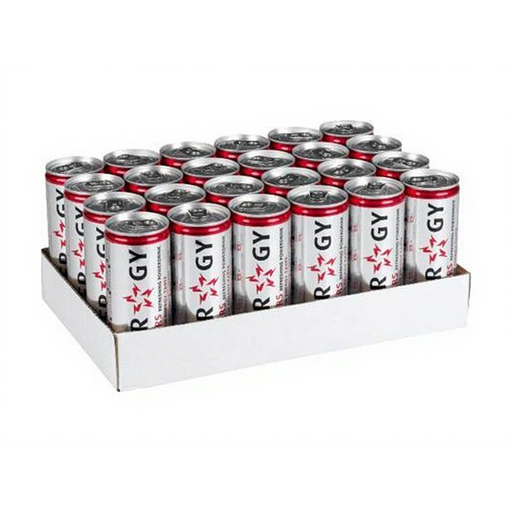
Why this fits the profile: The pack contains 24 cans of 250 ml. That’s practical for stocking up at home, in the office, or for multiple users.
The fixed can size makes portions and the price per can easy to compare. The product information lists 11.4 grams of sugar per 100 grams, so your sugar intake is clear upfront.
24 x 250 ml, caffeine and taurine listed in the ingredients, suitable for those looking for a regular sugar-containing format.
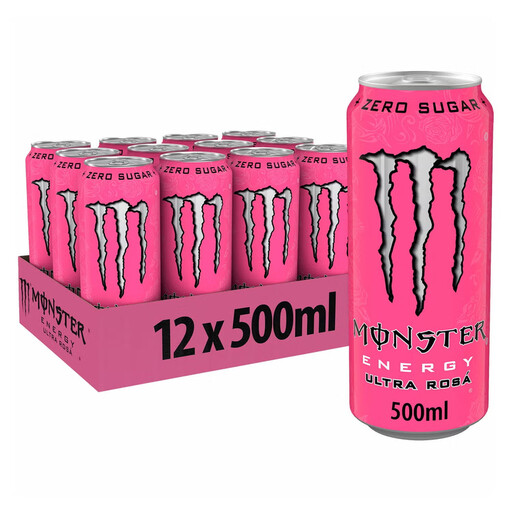
Why this fits the profile: This Monster Energy variant combines a 500 ml format with a sugar-free formula and a fruity Ultra Rosa flavour.
The product page lists both 0 grams of sugar and 2 kcal per 100 ml. So you don’t have to rely solely on the term “Ultra”.
12 x 500 ml, 0 grams of sugar per 100 ml, and 32 mg of caffeine per 100 ml according to the product information.
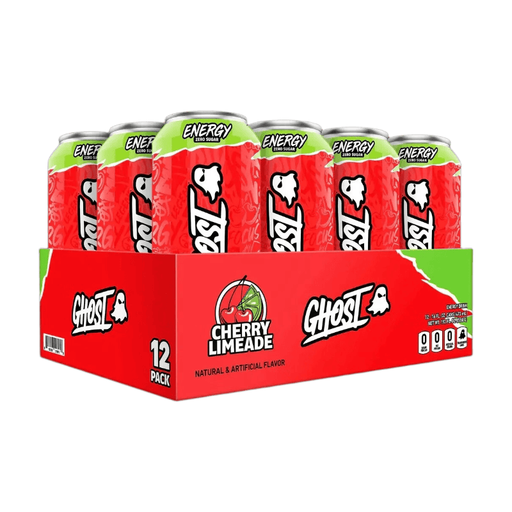
Why this fits the profile: The product information mentions 200 mg of caffeine per can and is aimed at adult users looking for a sugar-free variant with a larger volume.
The high caffeine content is clearly stated in the product information. This means you can consciously compare it against coffee or other caffeinated drinks.
0 grams of sugar, approximately 10 kcal per can according to the product information, and a pack of 12 x 500 ml cans.
We’ve put together a full, up-to-date list of products that fully meet these strict selection criteria and comply with current European safety regulations.
Variants like Monster Energy Ultra Rosa, Monster Ultra White, Monster Ultra Fiesta, and Monster Ultra Peachy Keen are listed as sugar-free in the product information. Always check the current label, though, as recipes and nutritional values can change. Also, sugar-free doesn’t mean caffeine-free.
That depends on the price per litre. Divide the total price by the total volume of the pack. A box of 24 x 250 ml and a box of 12 x 500 ml both contain 6 litres, so you can compare them directly. Also take any deposit into account if it’s mentioned on the product page.
It varies by brand and size. Red Bull lists 32 mg per 100 ml; a 250 ml can therefore contains around 80 mg. Ghost Energy Cherry Limeade lists 200 mg per 473 ml can. Always check the current packaging and add up other sources of caffeine before making a choice.
