
Vandaag of morgen in huis

Kwaliteit gegarandeerd

Welkomstaanbiedingen ontgrendelen: GRATIS bezorging | Tot 80% korting | Gratis 30 dagen JoyPlus-proefperiode
Download de app
When you buy an energy drink online, you’ll quickly come across dozens of brands, flavours and multipacks. A large can might seem like good value, an unusual flavour sounds tempting, and “zero sugar” is sometimes mistaken for low caffeine. Yet these terms don’t tell you everything about what you’re buying.
The main pitfalls are easy to avoid:
Always compare the caffeine content per 100 ml and then work it out for the whole can. A product with 32 mg of caffeine per 100 ml in a 250 ml can gives you around 80 mg of caffeine. In a 500 ml can with the same ratio, that comes to roughly 160 mg.
The label on many energy drinks carries a warning about high caffeine content. Under EU labelling rules, this warning must appear on drinks with more than 150 mg of caffeine per litre. Always rely on the product packaging, because recipes and packaging can change.
Caffeine can be suitable for adults during a working day, studying or a long drive, but keep an eye on your total intake from coffee, tea, cola and other sources. Energy drinks are generally not recommended for children, pregnant women, breastfeeding women or people who are sensitive to caffeine. Follow the warnings on the label and drink responsibly. Joybuy does not sell these products to anyone under the age of 16.
A regular energy drink often contains sugar. Red Bull Energy Drink, for example, lists 11 grams of sugar per 100 ml; a 250 ml can therefore contains around 27.5 grams of sugar. A sugar-free energy drink usually contains sweeteners such as sucralose, acesulfame-K or aspartame.
“Sugar-free” doesn’t automatically mean a different effect or a lower caffeine content. So compare these three values:
If you want to limit calories, look for a sugar-free energy drink, such as Red Bull Sugar-Free or a Monster Ultra variant. Even with these products, check the ingredients list. Slammers Sugar-Free, for example, lists aspartame; people with phenylketonuria need to be aware of this.
A 250 ml energy drink is easy to carry and gives you more control over how much you drink each time. A 500 ml energy drink contains more liquid, but also more caffeine and potentially more sugar if the composition per 100 ml is the same.
Choose a flavour that suits how you’ll use it:
When comparing an energy drink deal, don’t just look at the price at the till. Divide the price by the number of cans and factor in any deposit. Also check whether it’s a single multipack, a bundle or several cases.
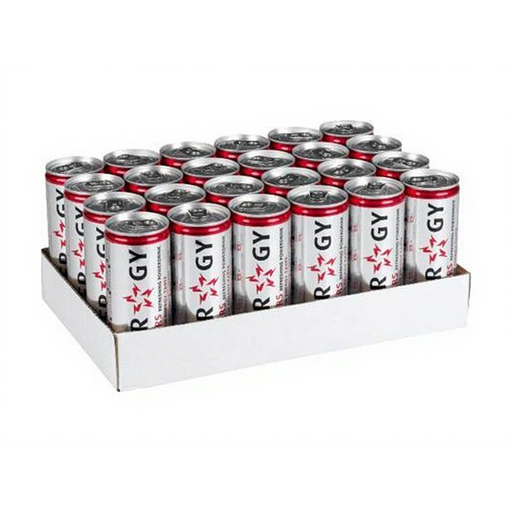
Why this fits the profile: The 24-pack of 250 ml cans offers a straightforward way to stock up for work, study or on the go.
The smaller size stops you from automatically choosing a 500 ml can. Do check the sugar value of 11.4 g per 100 g on the product information.
24 x 250 ml, carbonated and contains caffeine, taurine and B vitamins according to the product description.
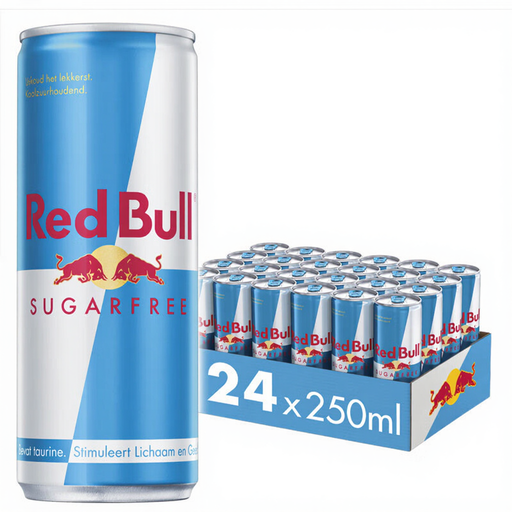
Why this fits the profile: A trusted brand in a compact size for shoppers looking for a sugar-free drink for work, study or on the go.
The product information states 0 g sugar and around 32 mg caffeine per 100 ml. This makes it clear straight away that sugar-free is not the same as caffeine-free.
24 cans of 250 ml, 0 g sugar per 100 ml and B vitamins according to the product label.

Why this fits the profile: The 500 ml format and the citrus combination of lemon and grapefruit suit longer working days, stocking up or sharing.
The packaging states 0 g sugar and 12 kcal per can according to the product information provided. With a large can, pay extra attention to your total caffeine intake.
Multipack of 12 x 500 ml, sugar-free formula and citrus flavour according to the product label.
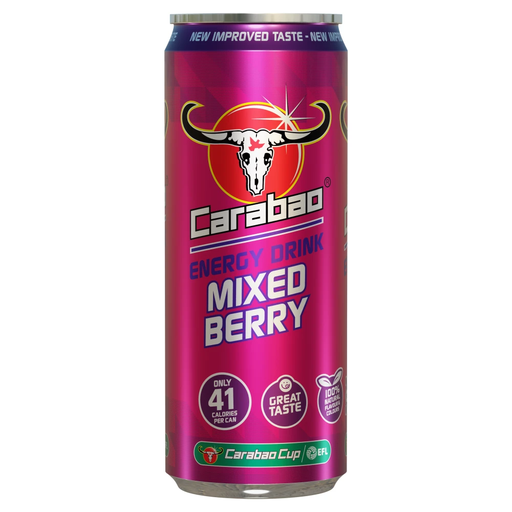
Why this fits the profile: The 330 ml can with mixed berry flavour is an in-between size for those who want more than 250 ml but don’t need 500 ml.
The nutrition information states 9.24 g sugar and 106 mg caffeine per can. This lets you make an informed choice rather than relying on the fruity flavour alone.
330 ml content, mixed berry flavour and a stated caffeine amount of 106 mg per can.
We’ve put together a full, up-to-date list of products that fully meet these strict selection criteria and comply with current European safety regulations.
A 250 ml can is easier to carry and contains less drink per serving. A 500 ml can can be handy for stocking up or a longer activity, but with a similar composition it also contains roughly twice as much caffeine and sugar. So always compare per can, not just per 100 ml.
Often yes, but check the nutrition table. Red Bull Sugar-Free, for example, states 3 kcal per 100 ml. Monster Ultra products in the range also state a low calorie content. The sweeteners used and the caffeine content vary by variant.
Store unopened cans in a cool, dry place away from direct sunlight. Check the best-before date on the packaging. Once opened, keep the can refrigerated and follow the instructions on the label. With a large energy drink multipack, make sure you have enough storage space and use the oldest cans first.
