
Vandaag of morgen in huis

Kwaliteit gegarandeerd

Welkomstaanbiedingen ontgrendelen: GRATIS bezorging | Tot 80% korting | Gratis 30 dagen JoyPlus-proefperiode
Download de app
Are you looking to buy energy drinks for work, studying, travelling, gaming or a sporting occasion? You’ll quickly come across plenty of well-known brands, flavours and multipacks. However, an eye-catching can tells you little about what you’re actually buying. The key differences are mainly the caffeine content, sugar, can size and total volume.
This practical guide helps you compare energy drinks using verifiable product information. That way, you can avoid ordering a large multipack only to find that you dislike the flavour, or choosing a sugar-free option without checking the ingredients list.
An energy drink multipack may seem appealing because of the lower price per can. So don’t just check the total price, but also:
For example, a box with 12 cans of 500 ml contains twice as much drink as a box with 12 cans of 250 ml. Always compare by volume, rather than just by the number of cans.
A sugar-free energy drink often contains sweeteners such as sucralose, acesulfame K, aspartame or cyclamates. If you’re looking for a sugar-free energy drink, it’s a good idea to read the full ingredients list. With Slammers Sugar-Free, for example, also check whether aspartame is listed and look for the source of phenylalanine.
Nutritional information can also vary between product variants. So check both the product page and the label on the can when your order arrives.
A larger pack doesn’t necessarily contain a higher concentration of caffeine per 100 ml, but it does contain more caffeine per can. For example, Red Bull lists 32 mg of caffeine per 100 ml, which works out at approximately 80 mg in a 250 ml can. According to the product information, Body & Fit Fit Energy Drink contains 100 mg of caffeine per 250 ml can.
Energy drinks are not intended for children, pregnant women or women who are breastfeeding. People who are sensitive to caffeine should also read the label and warnings carefully. In addition, remember to take caffeine from coffee, tea, cola and other products into account.
First, check the number of milligrams of caffeine per 100 ml. Then calculate the amount for the full container. An energy drink in a 500 ml can may contain approximately twice as much caffeine as a 250 ml energy drink at the same concentration.
Also check whether the product contains other caffeine-containing ingredients, such as guarana or green tea extract. Some Monster variants list these ingredients in their composition.
A regular energy drink often contains sugar. Slammers Energy Refreshing Power Drink, for example, lists 11.4 grams of sugar per 100 grams. Red Bull Original lists 11 grams of sugar per 100 ml. If you want to limit your sugar intake, you can choose a sugar-free variant, but always check which sweeteners have been used.
Watch out for contradictory or incomplete information online. If in doubt, the current packaging and official nutrition table should take precedence.
A 250 ml can is practical for travelling, during a short break or when you want to keep the portion small. A 500 ml can is more suitable for longer periods of use, such as a lengthy gaming session or a full working day. A multipack is particularly useful when you already know a variant and regularly drink the same flavour.
Taurine, B vitamins and other ingredients are often found in energy drinks containing taurine. Treat such statements as product specifications, not as a guarantee of a particular effect. A brand’s own research or marketing communications may mention additional properties; always check the packaging and follow the usage warnings.
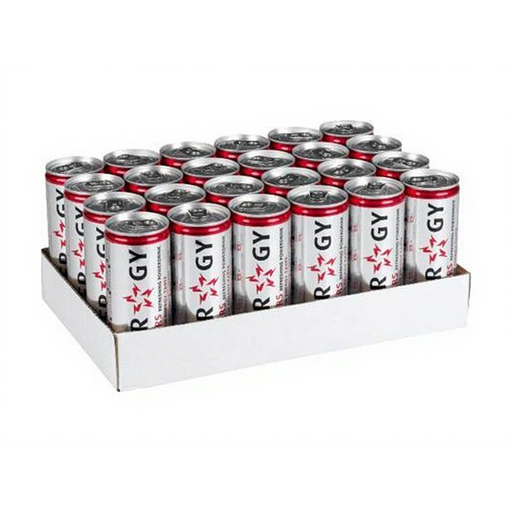
Why it suits this profile: A box of 24 small cans is practical for keeping supplies at home, in the office or for sharing.
The size makes portions easy to compare. Do bear in mind the listed 11.4 g of sugar and 0.032% caffeine.
24 x 250 ml, with taurine and B vitamins according to the product information.
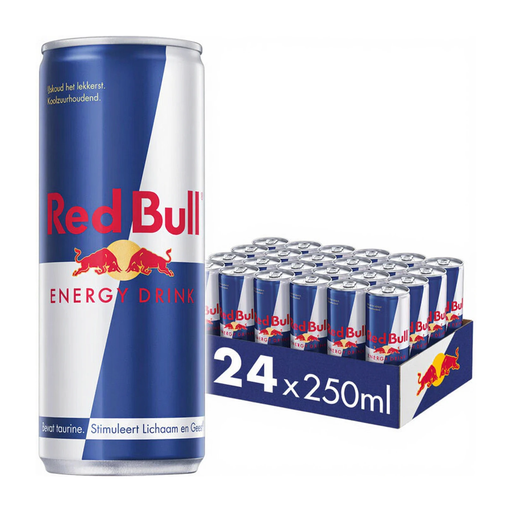
Why it suits this profile: Ideal if you prefer a trusted brand and a compact 250 ml format.
The product information clearly states 11 g of sugar and 32 mg of caffeine per 100 ml. This makes it easy to assess the multipack in advance.
24 cans of 250 ml, with taurine and B vitamins according to the label.
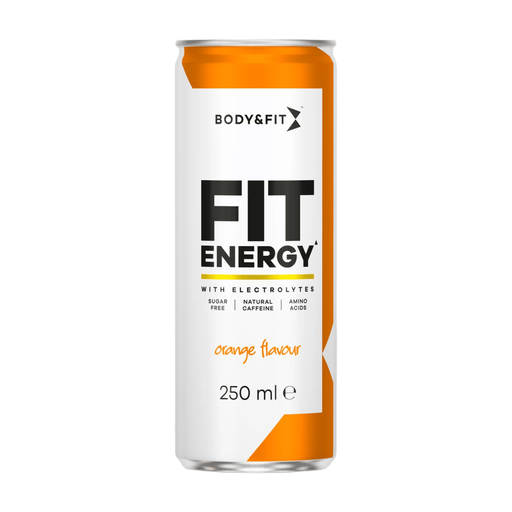
Why it suits this profile: An option for those who look beyond caffeine and also consider magnesium, electrolytes and a sugar-free formula.
The composition lists 100 mg of caffeine and 70 mg of magnesium per can. This means you don’t have to rely on marketing terms alone.
250 ml, sugar-free according to the product information, with orange flavour, taurine and amino acids.

Why it suits this profile: The 500 ml format and box of 12 cans are well suited to longer periods of use and keeping supplies at home.
The product information states 0 g of sugar per 100 ml. However, compare this with the current label, particularly for international variants.
12 x 500 ml, citrus flavour, sugar-free according to the product description and containing taurine.
We’ve put together a complete, up-to-date list of products that fully meet these strict selection criteria and the applicable European safety regulations.
A 250 ml energy drink is easier to portion and carry with you. A 500 ml can contains more drink and is better suited to a longer occasion, but you should also check the total amount of caffeine per can.
Not necessarily. A sugar-free variant contains no sugar or only negligible amounts, but it may still contain sweeteners. So compare the ingredients, caffeine and nutritional values. The right choice depends on your preferences and how you plan to use it.
Check the number of cans, the volume per can, the price per litre, the caffeine content and the best-before information. Also check whether you’re buying a regular or sugar-free variant. This helps you avoid ordering the wrong product when, for example, you want to buy Red Bull or Monster Energy for regular use.
Store an opened can in the fridge and follow the instructions on the packaging. Keep unopened cans in a cool, dry place away from direct sunlight. Before drinking, always check the seal, ingredients and warnings on the label.
