
Vandaag of morgen in huis

Kwaliteit gegarandeerd

Welkomstaanbiedingen ontgrendelen: GRATIS bezorging | Tot 80% korting | Gratis 30 dagen JoyPlus-proefperiode
Download de app
Want to buy energy drinks, but can’t decide which one is right for you with so many brands, flavours and pack sizes to choose from? A can for the journey calls for different features than a stock-up for the office, studying or long drives. So don’t choose based on the name or eye-catching packaging alone.
When buying an energy drink, the most important things to consider are the caffeine content, sugar, can size and price per can. Popular searches such as buy Monster Energy, buy Red Bull and energy drink deals won’t necessarily lead you to a product that suits the way you’ll use it.
A 500 ml can usually contains about twice as much drink as a 250 ml can. That also means you may consume more caffeine and other ingredients. A 12-pack of 500 ml cans may look like a good way to stock up, but always compare the price per litre and the caffeine content per can.
A sugar-free energy drink usually contains sweeteners instead of sugar, but may still have a high caffeine content. So check both values. For example, Slammers Sugar-Free lists 0 grams of sugar per 100 grams, but according to the product information, it contains 0.032% caffeine.
Taurine, vitamins, plant extracts and amino acids are often prominently featured on the packaging. Treat these as product specifications, not guaranteed effects. If a brand makes a claim about how its product works, check the product information or the brand’s own communications. Always check the ingredients list and nutrition table on the can.
In the European Union, drinks containing more than 150 mg of caffeine per litre must carry a high-caffeine warning. Many energy drinks contain around 30 to 32 mg of caffeine per 100 ml.
That works out at approximately:
Caffeine can affect sleep and is not recommended for children, pregnant women, breastfeeding women or people who are sensitive to caffeine. Don’t casually combine a caffeinated drink with coffee, pre-workout supplements or other stimulating products. Follow the warnings on the packaging.
A regular energy drink often contains around 11 grams of sugar per 100 ml. That works out at about 27.5 grams of sugar in a 250 ml can. In a 500 ml can, it rises to around 55 grams.
An energy drink without sugar may be a practical choice if you want to avoid sugar, but check which sweeteners it contains. According to the product information, Slammers Sugar-Free contains aspartame, among other ingredients. Jack3d Energy uses sucralose and acesulfame-K. If you want to avoid certain sweeteners, it’s worth reading the full ingredients list.
Choose a size that suits when you plan to drink it:
Also check the deposit, best-before date, storage advice and product information on the packaging. If the details differ from an online description, the information on the can takes precedence.
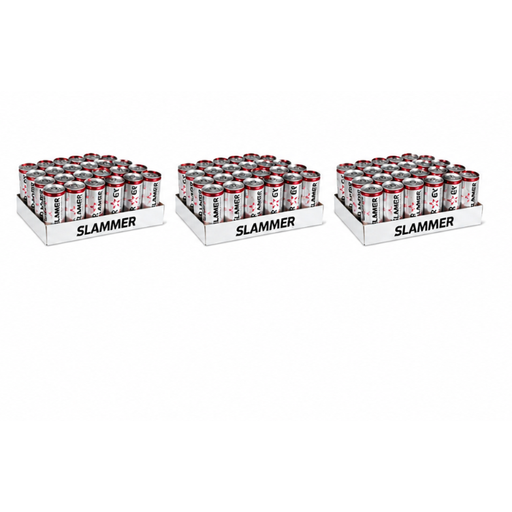
Why it suits this profile: A 3-pack lets you try a flavour and size before buying a larger quantity.
You’re not committing to 12 or 24 cans straight away. The product information lists the caffeine and sugar content, so you can assess whether it’s right for you before buying.
3-pack; refreshing flavour according to the product description; 250 ml per can.
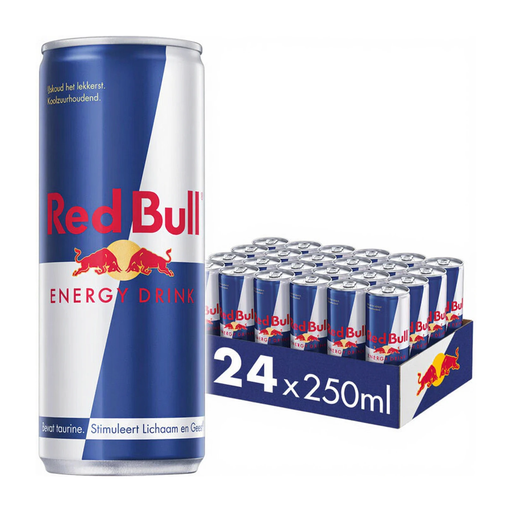
Why it suits this profile: A familiar choice for shoppers looking for a consistent flavour and a dependable supply for work, studying or on the go.
The pack size is clear: 24 cans of 250 ml. The product information lists 32 mg of caffeine and 11 grams of sugar per 100 ml.
24 x 250 ml; contains taurine and B vitamins according to the label; check the deposit and current best-before date when buying.
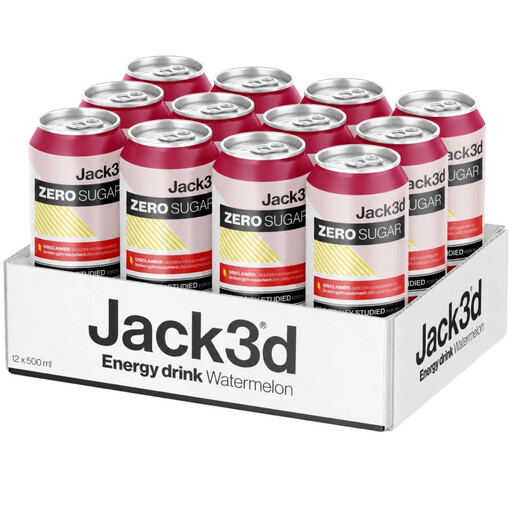
Why it suits this profile: The 500 ml size and clearly stated ingredients suit users looking for a larger serving and a sugar-free option.
The label clearly states 160 mg of caffeine per can, no sugar and which sweeteners are used. This makes it easier to estimate your total intake.
12 x 500 ml; sugar-free; 160 mg of caffeine, 3.000 mg of L-citrulline and 1.000 mg of taurine per can according to the product information.
We’ve put together a complete, up-to-date list of products that meet these strict selection criteria and the applicable European safety regulations.
It varies by brand and size. Many products contain around 30 to 32 mg of caffeine per 100 ml. A 250 ml can then contains around 75 to 80 mg; a 500 ml can contains around 150 to 160 mg. Always check the label, especially if you drink several caffeinated drinks in one day.
Sugar-free options contain no or very little sugar, but that doesn’t make them caffeine-free. They often contain sweeteners and may still have a high caffeine content. So compare the sugar, caffeine, sweeteners and serving size together.
The best-before date is shown on the packaging. Store unopened cans according to the storage advice, usually in a cool place away from direct sunlight. Keep an opened can chilled and drink it within the period stated on the label. Don’t use a can if its seal is damaged.
