
Vandaag of morgen in huis

Kwaliteit gegarandeerd

Welkomstaanbiedingen ontgrendelen: GRATIS bezorging | Tot 80% korting | Gratis 30 dagen JoyPlus-proefperiode
Download de app
A sugar-free energy drink may seem simple to choose at first glance. You look for “zero”, pick a familiar flavour and order a multipack. However, there are several points that can easily lead you to buy a product that is less suited to how you plan to use it. For example, a 250 ml can affects your stock differently from a 500 ml can, even though both are sold as an energy drink without sugar.
As a Joybuy Product Recommendation Officer, I filter product information based on practical details: volume, caffeine, sweeteners, flavour profile and pack size. This allows you to compare a zero energy drink using verifiable specifications rather than eye-catching marketing claims alone.
A sugar-free energy drink will generally still contain caffeine. The selected Red Bull, Bullit and Celsius products list 32 mg of caffeine per 100 ml. That works out at approximately:
Monster Ultra White also lists 0.03% caffeine in the product information. Always check the label and look for the mandatory warning about high caffeine content. Energy drinks containing caffeine are not recommended for children, pregnant women or breastfeeding women. For young people aged 16 and over, it is sensible to keep consumption limited and follow the instructions on the packaging.
“Zero” or “sugar-free” does not mean that every product has exactly the same nutritional value. The reference products usually contain approximately 2 to 3 kcal per 100 ml, but values may vary by brand and recipe. As well as sugar, check the carbohydrates, salt and sweeteners used.
According to the product information, Slammers Sugar-Free contains aspartame, among other ingredients. This is relevant for people who need to avoid phenylalanine. Red Bull and Monster list sucralose and acesulfame-K, among other sweeteners. The flavour of an energy drink without sugar is therefore strongly influenced by the combination of sweeteners.
An energy drink multipack can be useful for work, studying or when you are out and about, but a large pack takes up space and limits your choice if you are not yet familiar with the flavour. A 24-pack of 250 ml cans contains 6 litres of drink. A 12-pack of 500 ml cans also contains 6 litres, but each can is twice as large.
If you are trying a flavour for the first time, it may be better to start with 4 or 6 cans. For regular use, a 12- or 24-pack may be more appealing, depending on the price per can, shelf life and available storage space.
Do not compare only the percentage shown on the label. Also calculate the amount for your chosen can size. At 32 mg per 100 ml, a 250 ml can contains approximately 80 mg of caffeine. A 500 ml can contains approximately 160 mg.
This makes the practical difference between a 250 ml energy drink and a 500 ml energy drink clear. The larger size is not automatically better value or more suitable; you simply get more drink and generally more caffeine per can.
Pay attention to three separate lines:
A low calorie content does not automatically make a drink suitable for every occasion. Caffeine remains the most important factor to consider when deciding how to use it.
The price per pack tells you little without the total volume. Therefore, calculate:
price per litre = total price ÷ total number of litres
Examples:
Also check whether an offer includes one multipack or several boxes. Some product listings, for example, state “12 x 250 ml x2”. Read the contents carefully before ordering.
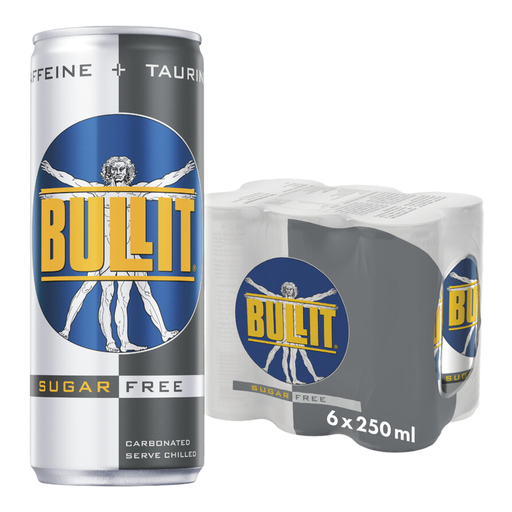
Why it suits this profile: The 6-pack of 250 ml cans is a manageable quantity for trying a flavour without immediately ordering a large supply.
The smaller multipack reduces the risk of waste if you do not enjoy the flavour of sucralose and acesulfame-K.
6 x 250 ml, 0 g of sugar per 100 ml according to the product information, and 32 mg of caffeine per 100 ml.
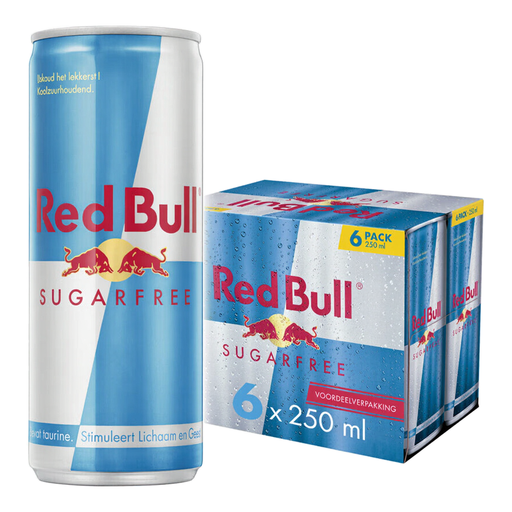
Why it suits this profile: The familiar 250 ml format is practical for commuting, studying and short trips.
The product information clearly states 0 g of sugar, approximately 3 kcal per 100 ml and 32 mg of caffeine per 100 ml.
6 cans of 250 ml, taurine, B vitamins and an aluminium can, according to the product description.

Why it suits this profile: The 12-pack of 500 ml cans is aimed at those looking for a larger supply and a citrus profile with lemon and grapefruit flavours.
The number of cans and volume per can are clearly stated, allowing you to weigh the total quantity of 6 litres against your storage space and budget.
12 x 500 ml, 0 g of sugar and 12 kcal per 100 ml according to the product information; also contains taurine and caffeine.
For a fruitier flavour profile, there are various Celsius energy drink varieties, including Sparkling Kiwi Guava, Arctic Vibe and Peach Vibe. These are available in 12 x 250 ml packs and state 0 g of sugar and approximately 3 kcal per 100 ml.
The Red Bull Green Edition Sugarfree Curuba Elderflower combines curuba and elderflower flavours in a 12 x 250 ml pack. If you mainly want to buy a large number of cans, consider Red Bull Sugar-Free in 24 x 250 ml or Slammers Sugar-Free in 24 x 250 ml. Compare the ingredients as well: Slammers lists aspartame, while other varieties use different sweeteners.
We have put together a complete, up-to-date list of products that fully meet these strict selection criteria and the applicable European safety regulations.
Usually, but check the nutrition table. The products in this selection contain approximately 2 to 3 kcal per 100 ml, while Monster Ultra White lists 12 kcal per 100 ml. “Sugar-free” refers to the sugar content and does not automatically mean that every product contains the same number of calories.
The exact date is shown on the bottom of the can or on the packaging. Store unopened cans in a cool, dry place away from direct sunlight. According to the product information, an opened can should be refrigerated and consumed within the stated period.
A 250 ml can is more compact and, at 32 mg of caffeine per 100 ml, contains approximately 80 mg of caffeine. A 500 ml can contains approximately 160 mg at the same concentration. So do not choose based solely on volume or price; also consider your preferred serving size, caffeine intake and storage space.
