
Livraison le jour même et le lendemain

Qualité garantie

Débloquez vos offres de bienvenue: Livraison GRATUITE | Jusqu'à -80 % | 30 jours d'essai gratuits à JoyPlus
Téléchargez l'application
Coconut water is popular as a refreshing drink, a smoothie base and a handy staple for home, the office or the catering trade. But packaging can make products look more alike than they really are. A product with a tropical picture on the front, for example, may contain added sugar, while a small carton can work out more expensive per litre than a multipack.
So don’t rely on terms such as “natural” or “with electrolytes”. Check the ingredients, nutritional information, pack size and storage instructions. That way, you can find coconut water to suit your taste, how you plan to use it and your budget.
The front of the pack may refer to a natural flavour, while the ingredients list also includes sugar, fructose, flavouring or stabilisers. For example, according to the product information, Foco Coconut Juice contains water, coconut extract, sugar, a stabiliser and flavouring. That’s different from 100% coconut water.
If you want coconut water with no added sugar, look for just “coconut water” in the ingredients list. Check the nutrition table too: naturally occurring sugars are not the same as added sugar.
A 330 ml pack is handy for taking out and about, but always compare the price per litre. 1-litre coconut water is often more practical for home, smoothies or several glasses. For a family, office or catering business, a coconut water multipack of 6 or 12 cartons can be more efficient, as long as you can make use of the shelf life and have room to store it.
Coconut water naturally contains various minerals, including potassium. The amount varies between brands and products, so check the nutrition table rather than relying on the front of the pack. For example, according to the product information, Chaokoh lists 149 mg of potassium per 100 ml. That’s a verifiable detail on the label, not a guarantee of a particular effect on your body.
For coconut water after exercise, taste and pack size may matter more than a general marketing claim. For intense exercise or specific dietary needs, plain water and a suitable diet remain important; coconut water is no substitute for medical or nutritional advice.
Choose according to what you’re looking for:
Bear in mind that “no added sugar” doesn’t mean the drink is sugar-free. Coconut water naturally contains carbohydrates and sugars.
The most practical choice depends on how you plan to use it:
Once opened, coconut water should be kept chilled. The exact time varies by product: product information may specify 48 hours, 72 hours or up to 7 days, for example. Always follow the instructions on the pack you have.
If you’re specifically looking for Thai coconut water, check the origin on the packaging. Some products list Thailand, while others come from Vietnam. Origin doesn’t tell you everything about taste or ingredients, but it can help you make an informed choice.
Processing methods also vary. UHT or aseptic processing often means unopened cartons can be stored outside the fridge. This doesn’t mean the product can be kept unrefrigerated once opened. Also check calories, salt, carbohydrates and sugar per 100 ml so you can compare brands fairly.
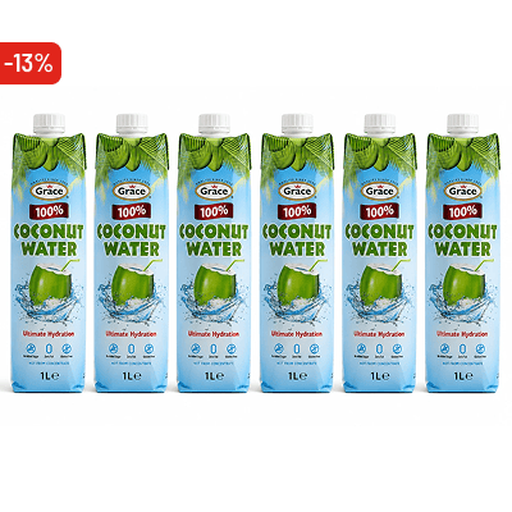
Why it suits this shopper: The pack contains six 1-litre cartons for everyday drinking, smoothies or several drinks at home.
The product information lists coconut water as an ingredient and says no sugar has been added. Check the current packaging for the definitive label information.
1 litre per carton, six cartons per box, 22 kcal and 5 g of carbohydrates per 100 g according to the product information.
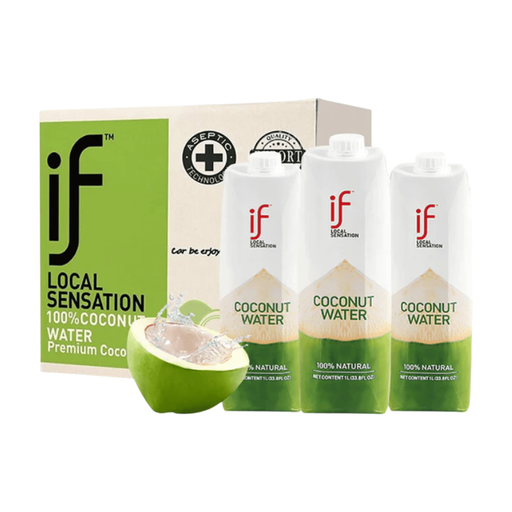
Why it suits this shopper: This large pack from Thailand is ideal if you want a clear ingredients list and a 12-litre supply.
The listed ingredients consist of 100% coconut water, with no added sugar, colourings or preservatives.
12 x 1 litre, origin listed as Thailand in the product information, 21 kcal and 0 g of fat per 100 ml.
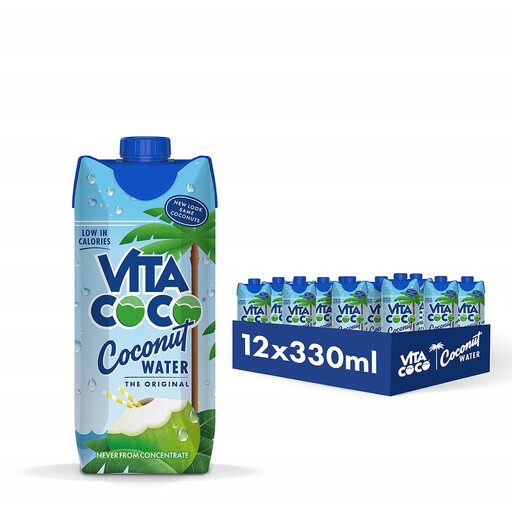
Why it suits this shopper: The individual cartons are easy to take to work, the gym or on the go, and don’t need to be chilled while unopened.
The product information lists 99% coconut water and a hint of fructose. This makes clear that it doesn’t have the same ingredients as 100% coconut water.
12 individual 330 ml cartons, 18 kcal per serving according to the product description, and suitable as a smoothie base.
We’ve put together a complete, up-to-date list of products that meet these strict selection criteria and current European safety requirements.
Coconut water is mostly water and naturally contains carbohydrates and minerals. That’s why many people drink it as a refreshing option or coconut water for hydration. The exact ingredients vary by brand, so check the nutrition table and choose a product that suits your daily eating and drinking habits.
It depends on the pack. Product information for different varieties usually gives a period of 48 hours, 72 hours or a few days. Keep opened coconut water chilled, seal the carton properly and follow the instructions on the label. Don’t smell or taste a product if it smells unusual, is leaking or has swollen.
A 12-pack of coconut water can lower the price per litre, but it depends on the current selling price and the size of each pack. Divide the total price by the total number of litres. Buy in bulk if you drink it regularly, have enough storage space and can use it within its shelf life unopened.
