
Vandaag of morgen in huis

Kwaliteit gegarandeerd

Welkomstaanbiedingen ontgrendelen: GRATIS bezorging | Tot 80% korting | Gratis 30 dagen JoyPlus-proefperiode
Download de app
Coconut water seems simple: open a carton, pour it chilled and you’re done. Yet the products on the shelf can differ quite a bit. One carton contains 100% coconut water, while another variant includes coconut water with cane sugar, fructose or other additions. The volume per pack and the shelf life after opening can also influence your choice.
This regularly leads to three practical buying mistakes:
With the following checkpoints, you can compare coconut water objectively and find what suits your situation.
First, look at the ingredients list. With 100% coconut water, you’ll typically see only “coconut water” listed. That doesn’t automatically mean every pack tastes the same: origin, coconut variety, processing and storage time can all make a difference.
There are also variants with, for example:
If you’re looking for coconut water with no added sugar, it’s wise not to rely solely on the front of the pack. Always check the full ingredients list. “Natural” or “pure” is no substitute for checking the composition.
A fair comparison starts with the same quantity: usually per 100 ml. With 100% coconut water in the range, the nutritional values are typically around 20–22 kcal and roughly 5 grams of carbohydrates per 100 ml. Those carbohydrates occur naturally in coconut water.
An added sweetener can change the composition. Double Panda, for example, lists both coconut water and cane sugar as ingredients. Bamboo Tree contains, according to the product information, 98.5% coconut water and cane sugar. Vietcoco lists coconut water, fructose and vitamin C.
Also pay attention to salt and the minerals listed. Some products mention potassium, magnesium, calcium or sodium. Use the information on the label as a guide. A claim about coconut water with electrolytes doesn’t in itself tell you how much of each substance is present.
A carton of coconut water 1 litre fits well in the fridge for home use, smoothies or a shared breakfast. Smaller portions of 330 or 500 ml are more convenient for on the go, at the office or after exercise.
A multipack of 6, 8 or 12 cartons can be good value per litre, but only if you’ll actually use the stock. Check before buying:
For most variants, the rule is: store unopened in a cool, dry place away from direct sunlight. Once opened, coconut water should be refrigerated and consumed within the stated time. That time varies by product, so always follow the label.
The selection below is based on verifiable product data such as ingredients, size, origin and pack size. Descriptions of taste, hydration or minerals come from the product information of the respective brand and are not presented as medical advice.
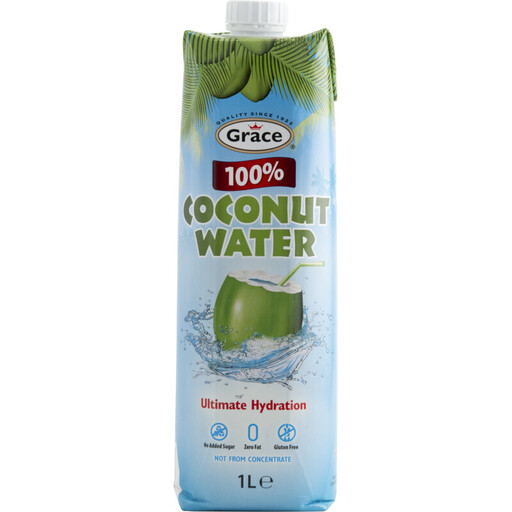
Why this fits the profile: A straightforward size for anyone wanting to try coconut water first or buying a carton occasionally. The product information lists coconut water as the ingredient and no added sugar.
The ingredients list shows only coconut water. This makes it immediately clear that you’re not choosing a variant with cane sugar or syrup.
1 litre per carton, 0 grams of fat and, according to the product information, approximately 22 kcal per 100 grams.
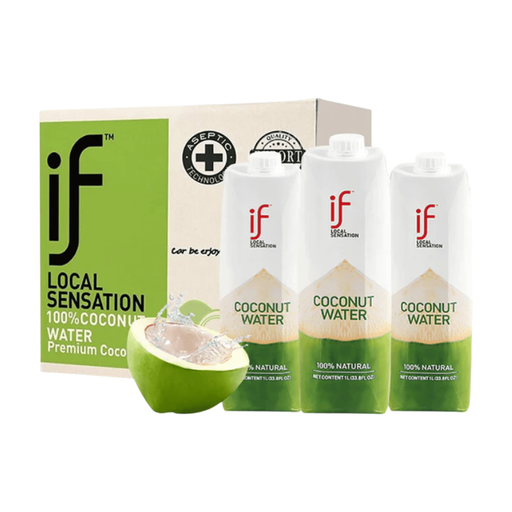
Why this fits the profile: This bulk pack is aimed at fans of Thai coconut water who regularly use 1-litre cartons.
The listed ingredients are coconut water (100%). According to the product description, no added sugars are mentioned.
12 cartons of 1 litre, sourced from Thai young coconuts according to the product information; approximately 21 kcal per 100 ml.
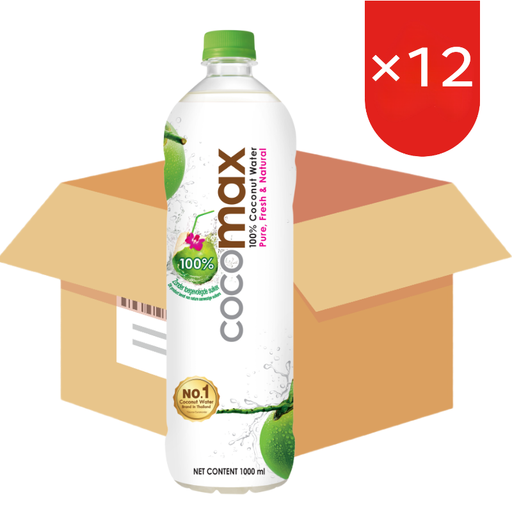
Why this fits the profile: A practical choice for families, offices, sports venues, hospitality and catering that need multiple litre cartons.
The product information states 100% coconut water and no added sugar. This makes the composition clearer than with sweetened coconut drinks.
12 individual cartons of 1 litre; according to the product description, suitable for drinking chilled, using in smoothies or serving after exercise.
We’ve put together a full, up-to-date list of products that fully meet these strict selection criteria and comply with current European safety regulations.
Coconut water can be used as a thirst-quencher after exercise. Some variants naturally contain minerals such as potassium and sodium. The exact amount varies by brand, so check the nutritional information table. For prolonged or intense exercise, the composition of a specific sports drink may be different.
Once opened, coconut water should generally be stored in the fridge. The recommended time varies from roughly two to seven days, depending on the product. Grace, for example, states two days, while Chaokoh mentions up to seven days according to the product information. Always follow the instructions on the packaging and do not use the product if the smell, taste or appearance has clearly changed.
No. “Organic” and “no added sugar” are different characteristics. Check both the organic certification and the ingredients list. For FOCO Organic Coconut Water 1L*12, Vietnam is listed as the origin; consult the packaging for current certification information and composition. Only an ingredients list containing solely coconut water confirms that no sugar or other sweetener has been added.
